
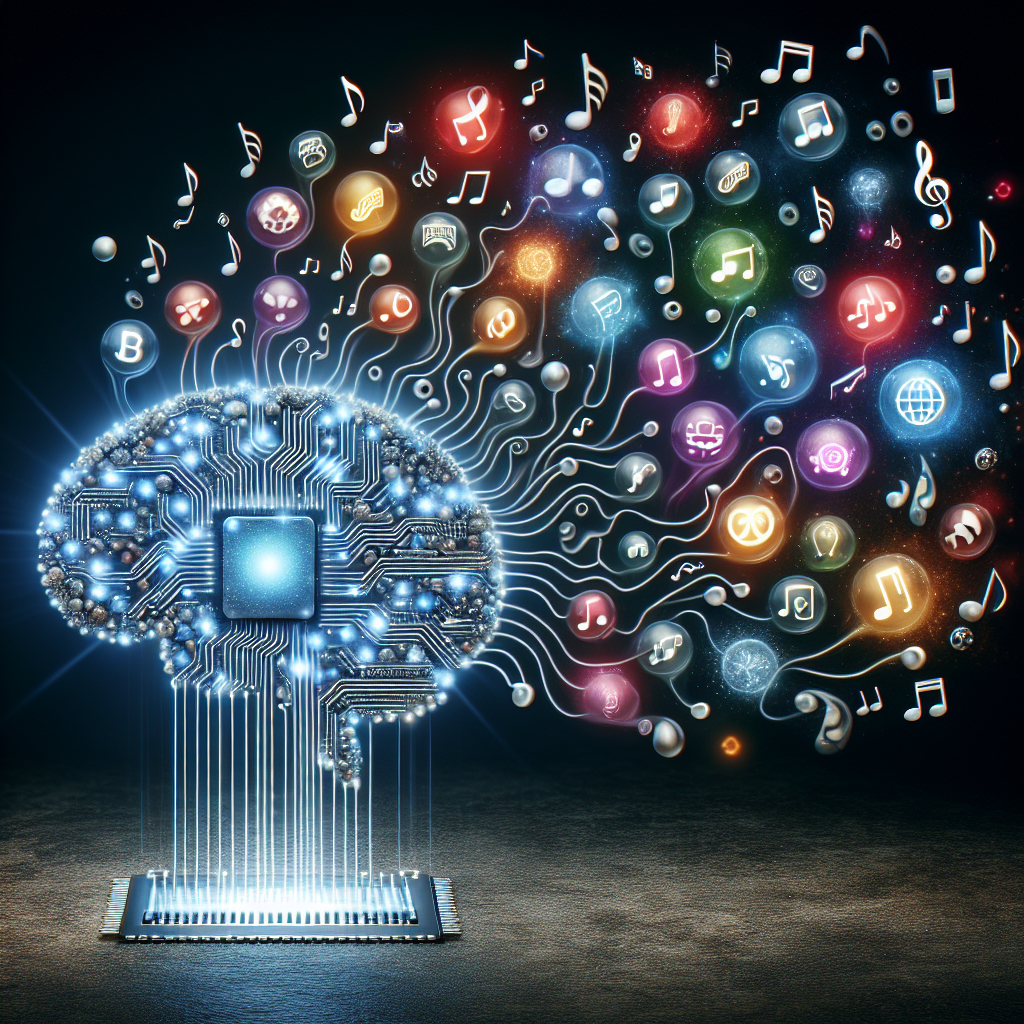
The Role of AI in Music Recommendation Personalization
Music has always been a significant part of people’s lives, providing entertainment, emotional connection, and inspiration. With the rise of streaming services and digital music platforms, the way we discover and consume music has evolved significantly. One of the key factors driving this evolution is the use of artificial intelligence (AI) in music recommendation personalization.
AI has revolutionized the way music is recommended to listeners, enabling services to provide tailored recommendations based on individual preferences, listening habits, and behaviors. This personalized approach has transformed the music discovery experience, making it easier for users to find new music that they love, while also helping artists reach new audiences.
In this article, we will explore the role of AI in music recommendation personalization, how it works, and its impact on the music industry and listeners.
How AI Powers Music Recommendation Personalization
AI algorithms play a crucial role in music recommendation personalization by analyzing vast amounts of data to understand listener preferences and behavior. These algorithms use machine learning techniques to continuously learn and improve recommendations based on user interactions with the platform.
One of the key components of AI-powered music recommendation systems is collaborative filtering, which analyzes user data to identify patterns and similarities between users with similar tastes. By leveraging this information, AI algorithms can recommend music that is likely to resonate with a specific user based on the preferences of similar users.
Another important aspect of AI in music recommendation personalization is content-based filtering, which analyzes the characteristics of songs and tracks to recommend music based on similarities in sound, genre, tempo, and other musical attributes. This approach helps to diversify recommendations and introduce users to new music that aligns with their tastes.
Additionally, AI algorithms also take into account contextual information such as time of day, mood, location, and listening history to provide more relevant recommendations. For example, a user may receive different recommendations when working out at the gym compared to when relaxing at home.
Overall, AI-powered music recommendation systems leverage data analytics and machine learning to create personalized music recommendations that cater to individual preferences and behaviors, enhancing the overall listening experience for users.
Impact of AI on the Music Industry
The use of AI in music recommendation personalization has had a profound impact on the music industry, both for artists and listeners. For artists, AI-powered recommendation systems provide an opportunity to reach new audiences and increase exposure for their music. By leveraging data analytics and machine learning, artists can better understand their audience and tailor their music to cater to listener preferences.
AI algorithms also help artists connect with their fans by recommending their music to users who are likely to enjoy it based on their listening habits. This targeted approach can help artists build a loyal fan base and increase their visibility on streaming platforms.
For listeners, AI-powered music recommendation systems offer a more personalized and engaging listening experience. By delivering tailored recommendations based on individual preferences, AI algorithms help users discover new music that aligns with their tastes and interests. This can lead to increased user satisfaction and loyalty, as listeners are more likely to engage with a platform that provides relevant and enjoyable music recommendations.
Furthermore, AI-powered music recommendation systems have the potential to drive revenue growth for streaming services and record labels. By increasing user engagement and retention through personalized recommendations, these platforms can attract more subscribers and advertisers, ultimately boosting their bottom line.
Overall, the integration of AI in music recommendation personalization has transformed the way music is discovered, consumed, and shared, benefiting both artists and listeners while driving innovation in the music industry.
FAQs
Q: How does AI personalize music recommendations?
A: AI algorithms analyze user data, such as listening habits, preferences, and behaviors, to create personalized music recommendations. These algorithms use machine learning techniques to identify patterns and similarities between users with similar tastes, as well as analyze the characteristics of songs and tracks to recommend music based on similarities in sound, genre, tempo, and other musical attributes.
Q: Can AI recommend music based on mood or context?
A: Yes, AI-powered music recommendation systems take into account contextual information such as time of day, mood, location, and listening history to provide more relevant recommendations. For example, users may receive different recommendations when working out at the gym compared to when relaxing at home.
Q: How does AI benefit artists in the music industry?
A: AI-powered recommendation systems provide artists with an opportunity to reach new audiences and increase exposure for their music. By leveraging data analytics and machine learning, artists can better understand their audience and tailor their music to cater to listener preferences. AI algorithms also help artists connect with their fans by recommending their music to users who are likely to enjoy it based on their listening habits.
Q: How does AI benefit listeners in the music industry?
A: AI-powered music recommendation systems offer listeners a more personalized and engaging listening experience by delivering tailored recommendations based on individual preferences. By providing relevant and enjoyable music recommendations, AI algorithms help users discover new music that aligns with their tastes and interests, leading to increased user satisfaction and loyalty.
In conclusion, the role of AI in music recommendation personalization has transformed the music discovery experience for artists and listeners alike. By leveraging data analytics and machine learning, AI-powered recommendation systems provide personalized and engaging music recommendations that cater to individual preferences, behaviors, and contexts, ultimately benefiting the music industry as a whole.