
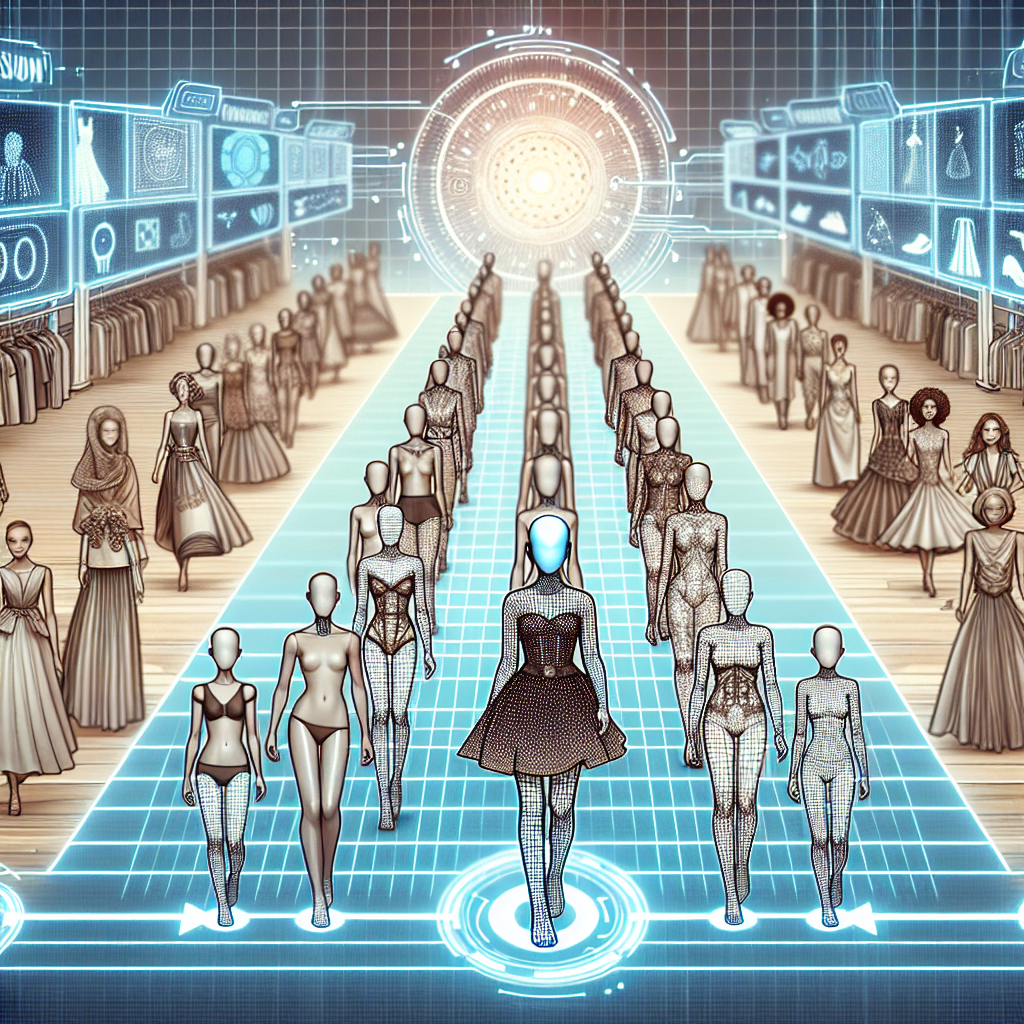
Artificial Intelligence (AI) has revolutionized many industries, and the fashion industry is no exception. From virtual runways to digital showrooms, AI has transformed the way we experience and interact with fashion. In this article, we will explore the evolution of AI in fashion and how it has shaped the industry in recent years.
Virtual Runways
One of the most exciting developments in the fashion industry is the use of AI to create virtual runways. Virtual runways allow designers to showcase their collections in a digital space, reaching a global audience without the need for physical fashion shows. AI technology can create lifelike avatars that can model the clothing, walk down the runway, and showcase the garments in a realistic and engaging way.
Virtual runways have become increasingly popular in recent years, especially in light of the COVID-19 pandemic, which forced many fashion shows to go virtual. Designers have embraced AI technology to create immersive and interactive virtual fashion shows that captivate audiences and allow them to experience the latest trends and collections from the comfort of their own homes.
Digital Showrooms
Another significant advancement in the fashion industry is the use of AI in digital showrooms. Digital showrooms allow retailers and designers to showcase their collections online, providing a virtual shopping experience for customers. AI technology can personalize the shopping experience, offering recommendations based on a customer’s preferences and browsing history.
Digital showrooms also enable designers to experiment with new styles and trends, gather feedback from customers, and make data-driven decisions about their collections. AI technology can analyze customer data to identify trends and preferences, helping designers create clothing that resonates with their target audience.
AI in Design and Production
AI has also transformed the design and production process in the fashion industry. Designers can use AI algorithms to create digital sketches, generate patterns, and even predict trends based on data analysis. AI technology can automate repetitive tasks, streamline the design process, and optimize production schedules, leading to faster turnaround times and more efficient operations.
AI-powered tools such as 3D modeling software and virtual fitting rooms have also revolutionized the way clothing is designed and produced. Designers can create virtual prototypes of their garments, test different fabrics and styles, and even conduct virtual fittings to ensure the perfect fit. This not only saves time and resources but also reduces waste and environmental impact.
AI in Marketing and Retail
AI technology has also had a significant impact on marketing and retail in the fashion industry. Retailers can use AI algorithms to analyze customer data, predict shopping behavior, and personalize marketing campaigns to target specific customer segments. AI-powered chatbots and virtual assistants can provide personalized recommendations, answer customer queries, and offer a seamless shopping experience across multiple channels.
AI technology can also optimize inventory management, pricing strategies, and supply chain operations, helping retailers improve efficiency, reduce costs, and increase profitability. Virtual reality (VR) and augmented reality (AR) technology have also been integrated into the retail experience, allowing customers to try on clothing virtually, visualize products in their own space, and make informed purchasing decisions.
FAQs
1. How is AI used in fashion design?
AI is used in fashion design to streamline the design process, create digital sketches and patterns, predict trends, and optimize production schedules. AI-powered tools such as 3D modeling software and virtual fitting rooms have revolutionized the way clothing is designed and produced, leading to faster turnaround times and more efficient operations.
2. How is AI transforming the retail experience?
AI is transforming the retail experience by analyzing customer data, predicting shopping behavior, and personalizing marketing campaigns to target specific customer segments. AI-powered chatbots and virtual assistants provide personalized recommendations, answer customer queries, and offer a seamless shopping experience across multiple channels. Virtual reality (VR) and augmented reality (AR) technology have also been integrated into the retail experience, allowing customers to try on clothing virtually and make informed purchasing decisions.
3. What are the benefits of using AI in the fashion industry?
Some of the benefits of using AI in the fashion industry include streamlining the design process, optimizing production schedules, personalizing marketing campaigns, improving inventory management, reducing costs, and increasing profitability. AI technology can also help designers create clothing that resonates with their target audience, improve efficiency, and reduce waste and environmental impact.
In conclusion, the evolution of AI in fashion has transformed the industry in many ways, from virtual runways to digital showrooms and beyond. AI technology has revolutionized the design and production process, marketing and retail operations, and the overall shopping experience for customers. As AI continues to advance, we can expect to see even more exciting developments in the fashion industry, shaping the way we experience and interact with fashion in the future.