
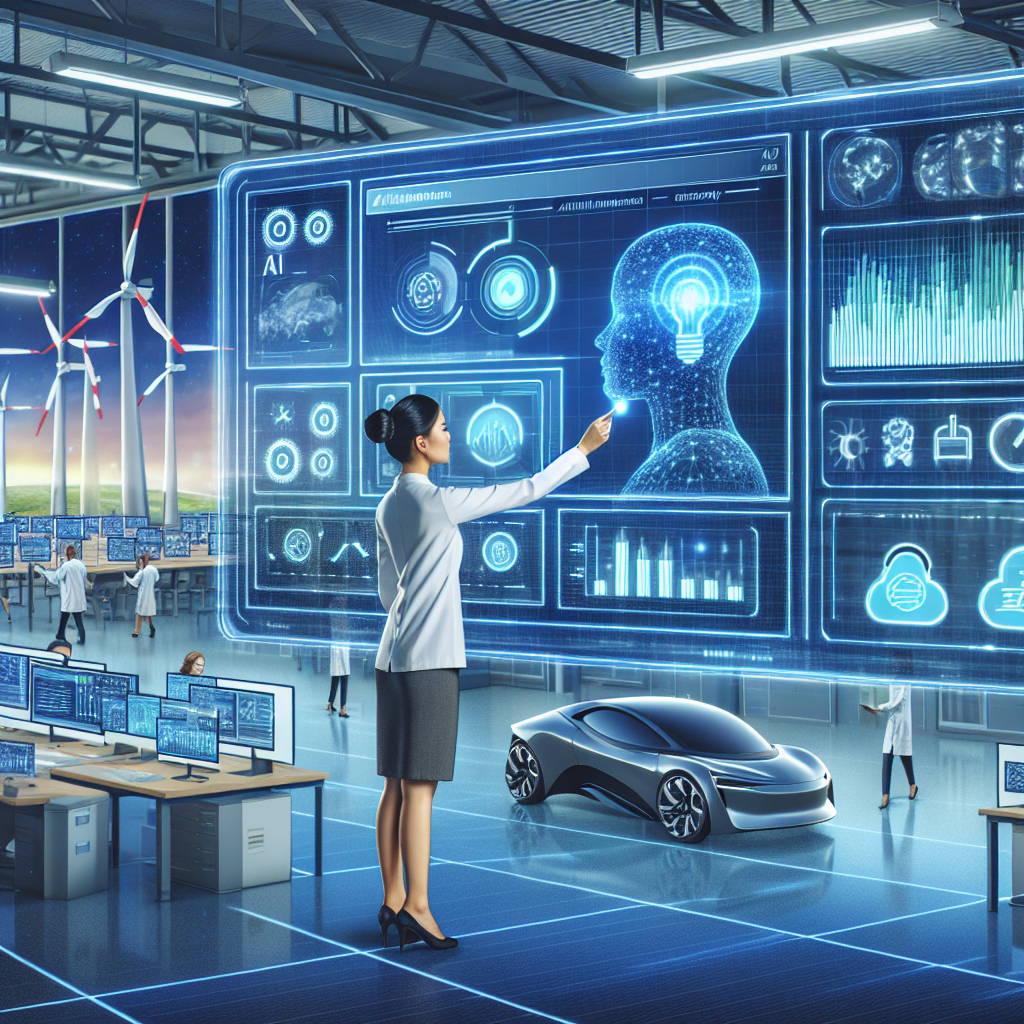
In today’s fast-paced world, energy efficiency has become a key concern for businesses and individuals alike. With the increasing demand for energy and the rise in energy costs, finding ways to reduce energy consumption has become more important than ever. One of the most promising solutions for improving energy efficiency is leveraging AI-driven technologies.
Artificial intelligence (AI) has the potential to revolutionize the way we manage and consume energy. By harnessing the power of AI, businesses and individuals can optimize their energy usage, reduce waste, and ultimately save money. AI-driven solutions can analyze vast amounts of data in real time, identify patterns and trends, and make intelligent decisions to improve energy efficiency. In this article, we will explore how AI-driven solutions can help businesses and individuals achieve energy efficiency goals.
1. Smart Energy Management Systems:
One of the key ways AI is being used to improve energy efficiency is through smart energy management systems. These systems use AI algorithms to analyze data from sensors, meters, and other devices to optimize energy usage. By collecting and analyzing real-time data, these systems can identify opportunities to reduce energy consumption, such as adjusting heating and cooling systems based on occupancy levels or weather conditions.
Smart energy management systems can also predict energy demand and adjust energy usage accordingly. For example, a smart building system can predict when peak energy demand will occur and adjust heating and cooling systems to reduce energy consumption during those times. By optimizing energy usage in this way, businesses can reduce their energy costs and minimize their environmental impact.
2. Predictive Maintenance:
AI-driven predictive maintenance systems can help businesses reduce energy waste by identifying and addressing equipment issues before they lead to energy inefficiencies. These systems use AI algorithms to analyze data from sensors and other sources to predict when equipment is likely to fail. By proactively addressing maintenance issues, businesses can prevent energy waste and reduce downtime.
For example, a predictive maintenance system can analyze data from an HVAC system to predict when a filter is likely to become clogged. By replacing the filter before it becomes a problem, businesses can ensure that their HVAC system operates efficiently and minimizes energy consumption. By using AI-driven predictive maintenance systems, businesses can reduce energy waste, extend the lifespan of their equipment, and save money on energy costs.
3. Energy Optimization:
AI-driven energy optimization solutions can help businesses and individuals make intelligent decisions about energy usage. These solutions use AI algorithms to analyze data from sensors, meters, and other devices to identify opportunities for energy savings. By collecting and analyzing real-time data, these solutions can optimize energy usage based on factors such as occupancy levels, weather conditions, and energy prices.
For example, an AI-driven energy optimization system can analyze data from a smart grid to identify opportunities to shift energy usage to off-peak times when energy prices are lower. By optimizing energy usage in this way, businesses can reduce their energy costs and minimize their environmental impact. AI-driven energy optimization solutions can also help businesses identify opportunities for energy efficiency improvements, such as upgrading to more energy-efficient equipment or implementing energy-saving practices.
4. Demand Response:
AI-driven demand response systems can help businesses reduce their energy costs by adjusting energy usage in response to changes in energy prices or grid conditions. These systems use AI algorithms to analyze data from sensors, meters, and other devices to predict when energy prices will be high or when grid conditions will be strained. By adjusting energy usage in real time, businesses can reduce their energy costs and alleviate strain on the grid.
For example, a demand response system can analyze data from a smart grid to predict when energy prices will be high. By adjusting energy usage during those times, businesses can reduce their energy costs and maximize their savings. AI-driven demand response systems can also help businesses participate in demand response programs, where they receive payments for reducing their energy usage during peak times.
5. Energy Auditing:
AI-driven energy auditing solutions can help businesses and individuals identify opportunities for energy savings and efficiency improvements. These solutions use AI algorithms to analyze data from sensors, meters, and other devices to identify energy waste and inefficiencies. By analyzing energy usage patterns and identifying opportunities for improvement, businesses can reduce their energy costs and minimize their environmental impact.
For example, an AI-driven energy auditing system can analyze data from a building’s energy meters to identify opportunities for energy savings, such as upgrading to more energy-efficient lighting or adjusting heating and cooling settings. By identifying and addressing energy waste and inefficiencies, businesses can improve their energy efficiency and save money on energy costs.
In conclusion, AI-driven solutions offer exciting opportunities for businesses and individuals to improve energy efficiency. By harnessing the power of AI, businesses can optimize their energy usage, reduce waste, and ultimately save money. From smart energy management systems to predictive maintenance and energy optimization solutions, AI-driven technologies can help businesses achieve their energy efficiency goals. By leveraging AI-driven solutions, businesses can reduce their energy costs, minimize their environmental impact, and create a more sustainable future.
FAQs:
Q: How can AI-driven solutions help businesses reduce their energy costs?
A: AI-driven solutions can help businesses reduce their energy costs by optimizing energy usage, identifying and addressing equipment issues before they lead to energy inefficiencies, adjusting energy usage in response to changes in energy prices or grid conditions, and identifying opportunities for energy savings and efficiency improvements.
Q: What are some examples of AI-driven energy efficiency solutions?
A: Some examples of AI-driven energy efficiency solutions include smart energy management systems, predictive maintenance systems, energy optimization solutions, demand response systems, and energy auditing solutions.
Q: How can businesses get started with implementing AI-driven energy efficiency solutions?
A: Businesses can get started with implementing AI-driven energy efficiency solutions by conducting an energy audit to identify opportunities for energy savings, researching and selecting AI-driven solutions that meet their needs, working with vendors and consultants to implement the solutions, and monitoring and evaluating the results to ensure they are achieving their energy efficiency goals.