
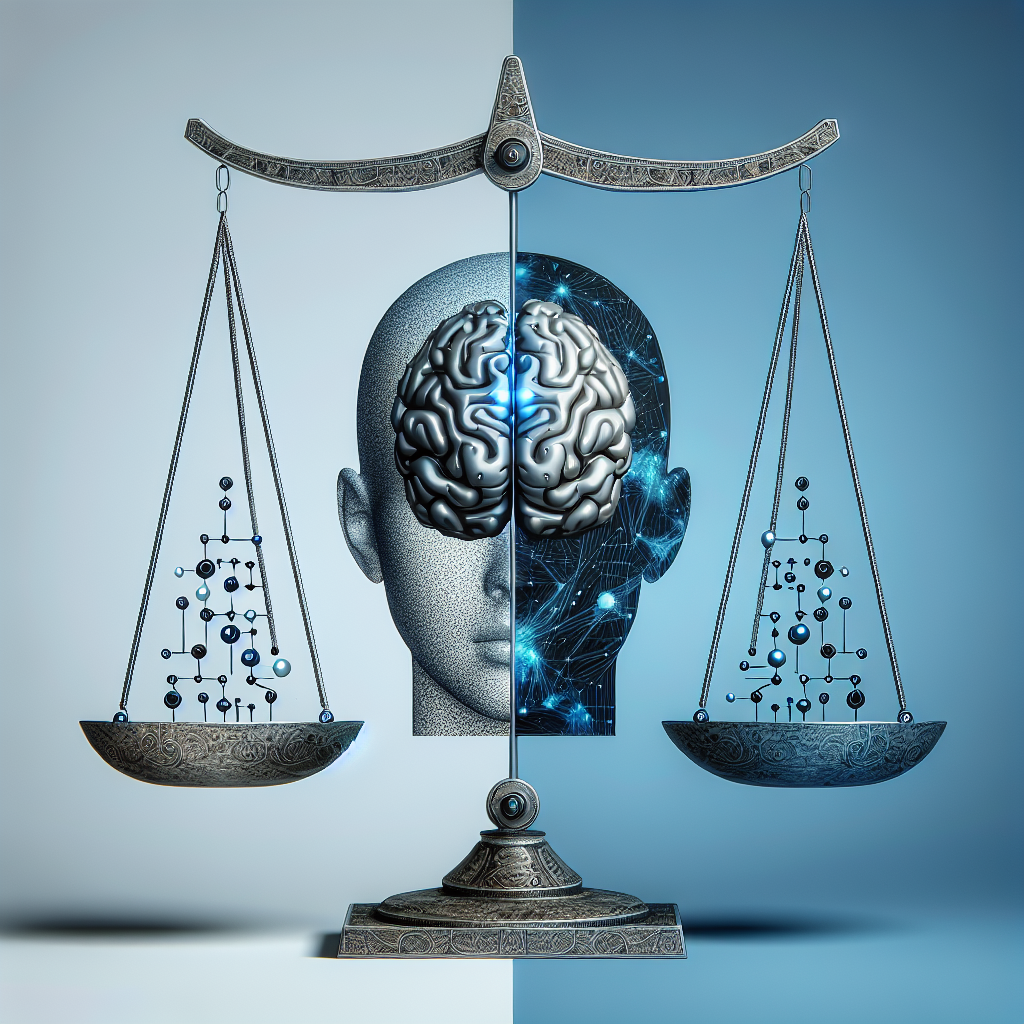
As artificial intelligence (AI) and machine learning (ML) continue to advance, the ethical implications of these technologies are becoming increasingly important. Both AI and ML have the potential to transform industries and improve our daily lives, but they also raise concerns about privacy, bias, and the potential for misuse. In this article, we will explore the ethical implications of AI and ML, and discuss which technology may be more ethical.
AI vs ML: What’s the Difference?
Before we delve into the ethical considerations of AI and ML, it’s important to understand the difference between the two technologies. AI refers to the broader concept of machines being able to carry out tasks in a way that we would consider “smart.” This includes things like speech recognition, decision-making, and problem-solving. ML, on the other hand, is a subset of AI that focuses on the development of algorithms that can learn from and make predictions or decisions based on data.
In other words, AI is the overarching field that encompasses a wide range of technologies, while ML is a specific approach within that field that focuses on using data to train algorithms to make predictions or decisions.
Ethical Considerations of AI
AI has the potential to revolutionize industries such as healthcare, transportation, and finance. However, it also raises a number of ethical concerns. One of the primary concerns is the potential for bias in AI systems. Because AI algorithms are trained on data, they can inherit biases present in that data. For example, if a facial recognition algorithm is trained on a dataset that is predominantly white, it may have difficulty accurately recognizing faces of people of color.
Another ethical concern is the use of AI for surveillance and monitoring. As AI technology becomes more advanced, it is being used for purposes such as monitoring employees, tracking individuals’ movements, and predicting behavior. This raises questions about privacy and surveillance, and the potential for abuse of power.
Additionally, there are concerns about the impact of AI on jobs and the economy. As AI systems become more advanced, they have the potential to automate tasks that were previously done by humans. This could lead to job loss and economic disruption, particularly for workers in industries that are heavily reliant on manual labor.
Ethical Considerations of ML
Like AI, ML raises ethical concerns related to bias and privacy. Because ML algorithms learn from data, they can perpetuate biases present in that data. For example, a hiring algorithm trained on data that shows a bias against women could result in discriminatory hiring practices.
ML algorithms also raise concerns about transparency and accountability. Because ML algorithms are often complex and opaque, it can be difficult to understand how they are making decisions. This lack of transparency can make it challenging to hold algorithms accountable for their actions.
Another ethical concern related to ML is the potential for misuse. ML algorithms can be used for purposes such as surveillance, predictive policing, and social credit scoring. These applications raise questions about privacy, fairness, and the potential for discrimination.
Which Technology is More Ethical?
When it comes to the question of which technology is more ethical, there is no clear answer. Both AI and ML have the potential for ethical implications, and the ethical considerations of each technology will depend on how they are developed and used.
However, some argue that ML may have the potential to be more ethical than AI, due to its focus on data-driven decision-making. ML algorithms can be designed to be transparent, fair, and accountable, which can help mitigate some of the ethical concerns associated with AI.
On the other hand, others argue that AI has the potential to be more ethical, due to its broader focus on intelligent decision-making. AI systems can be designed to prioritize ethical considerations, such as fairness, privacy, and transparency, which can help ensure that they are used in a responsible and ethical manner.
Ultimately, the ethical implications of AI and ML will depend on how these technologies are developed and used. It is important for developers, researchers, policymakers, and other stakeholders to consider the ethical implications of AI and ML, and to work towards developing technologies that prioritize ethical considerations.
FAQs
Q: Are AI and ML inherently unethical?
A: No, AI and ML are not inherently unethical. These technologies have the potential to bring about positive changes and improve our daily lives. However, they raise ethical concerns that must be addressed to ensure that they are developed and used in a responsible and ethical manner.
Q: How can bias in AI and ML algorithms be mitigated?
A: Bias in AI and ML algorithms can be mitigated through a variety of methods, such as ensuring diverse and representative training data, designing algorithms to be transparent and explainable, and conducting regular audits to identify and address biases.
Q: What role do policymakers play in addressing the ethical implications of AI and ML?
A: Policymakers play a crucial role in addressing the ethical implications of AI and ML. They can enact regulations and guidelines that promote ethical use of these technologies, and ensure that they are developed and used in a responsible and transparent manner.
Q: What can individuals do to advocate for ethical AI and ML?
A: Individuals can advocate for ethical AI and ML by educating themselves about the ethical implications of these technologies, supporting organizations and initiatives that promote ethical use of AI and ML, and engaging with policymakers and industry stakeholders to raise awareness about the importance of ethical considerations.
In conclusion, both AI and ML have the potential to bring about positive changes and improve our daily lives. However, they also raise ethical concerns that must be addressed to ensure that they are developed and used in a responsible and ethical manner. By prioritizing ethical considerations and working towards developing technologies that are transparent, fair, and accountable, we can help ensure that AI and ML are used in a way that benefits society as a whole.