
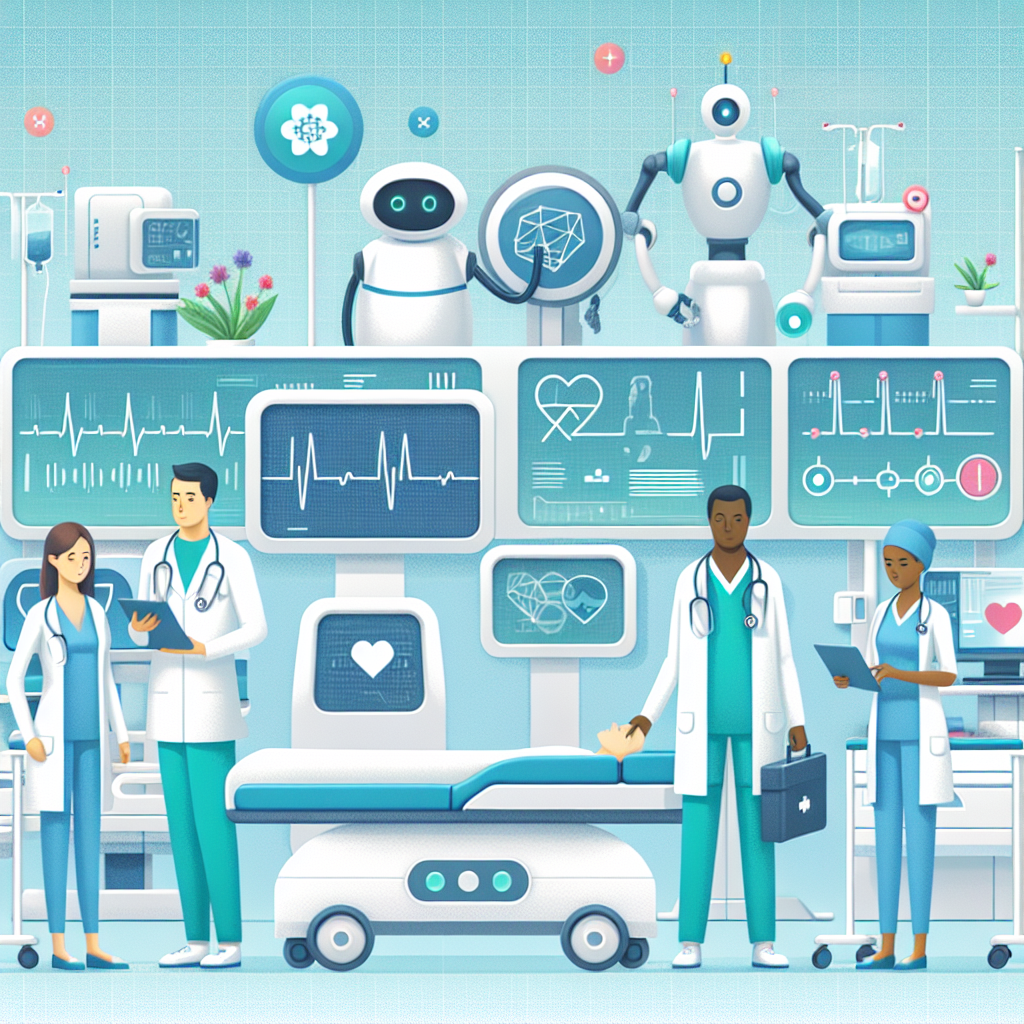
Generative AI, also known as artificial intelligence, is revolutionizing the healthcare industry by improving patient care in various ways. From diagnosing diseases to personalizing treatment plans, generative AI is helping healthcare professionals provide better outcomes for their patients. In this article, we will explore how generative AI is transforming healthcare and the potential benefits it brings to the industry.
One of the key areas where generative AI is making a significant impact is in medical imaging. By analyzing large amounts of imaging data, AI algorithms can detect patterns and anomalies that might be missed by human radiologists. This can lead to earlier and more accurate diagnoses of conditions such as cancer, stroke, and heart disease, ultimately improving patient outcomes.
Generative AI is also being used to develop personalized treatment plans for patients. By analyzing a patient’s genetic makeup, medical history, and other relevant data, AI algorithms can recommend the most effective treatments for each individual. This personalized approach can lead to better outcomes and fewer side effects for patients, as treatments are tailored to their specific needs and characteristics.
Another area where generative AI is making a difference is in drug discovery. By analyzing large datasets of genetic and chemical information, AI algorithms can identify potential drug candidates more efficiently than traditional methods. This can lead to the development of new treatments for diseases that were previously untreatable, improving patient care and quality of life.
In addition to these applications, generative AI is also being used to streamline administrative tasks in healthcare settings. By automating processes such as appointment scheduling, billing, and medical record keeping, AI can free up healthcare professionals to focus more on patient care. This can lead to improved efficiency and reduced administrative burden, ultimately benefiting both patients and providers.
Despite the many benefits of generative AI in healthcare, there are also concerns about its impact on patient privacy and data security. As AI algorithms rely on large amounts of data to function effectively, there is a risk that sensitive patient information could be compromised. It is important for healthcare organizations to implement robust security measures to protect patient data and comply with regulations such as HIPAA.
Additionally, there are concerns about the potential for AI algorithms to introduce bias into healthcare decision-making. If algorithms are trained on biased data, they may produce biased results that could impact patient care. It is crucial for developers and healthcare professionals to be aware of these risks and take steps to mitigate them through careful data selection and algorithm design.
In conclusion, generative AI is transforming healthcare by improving patient care in a variety of ways. From diagnosing diseases to developing personalized treatment plans, AI is helping healthcare professionals provide better outcomes for their patients. While there are concerns about patient privacy and bias, the potential benefits of generative AI in healthcare are vast. By harnessing the power of AI technology, we can improve patient care and revolutionize the way healthcare is delivered.
FAQs:
1. What is generative AI in healthcare?
Generative AI in healthcare refers to the use of artificial intelligence algorithms to generate new data or information in the healthcare industry. This can include tasks such as diagnosing diseases, developing treatment plans, and streamlining administrative processes.
2. How is generative AI improving patient care?
Generative AI is improving patient care by enabling healthcare professionals to make more accurate diagnoses, develop personalized treatment plans, and streamline administrative tasks. By harnessing the power of AI technology, healthcare providers can improve patient outcomes and deliver more efficient care.
3. What are the potential risks of generative AI in healthcare?
Some potential risks of generative AI in healthcare include concerns about patient privacy and data security, as well as the potential for AI algorithms to introduce bias into decision-making processes. It is important for healthcare organizations to implement robust security measures and mitigate bias through careful data selection and algorithm design.
4. How can healthcare organizations harness the power of generative AI?
Healthcare organizations can harness the power of generative AI by investing in AI technology, training their staff on how to use AI algorithms effectively, and implementing robust security measures to protect patient data. By leveraging the benefits of AI technology, healthcare providers can improve patient care and revolutionize the way healthcare is delivered.