
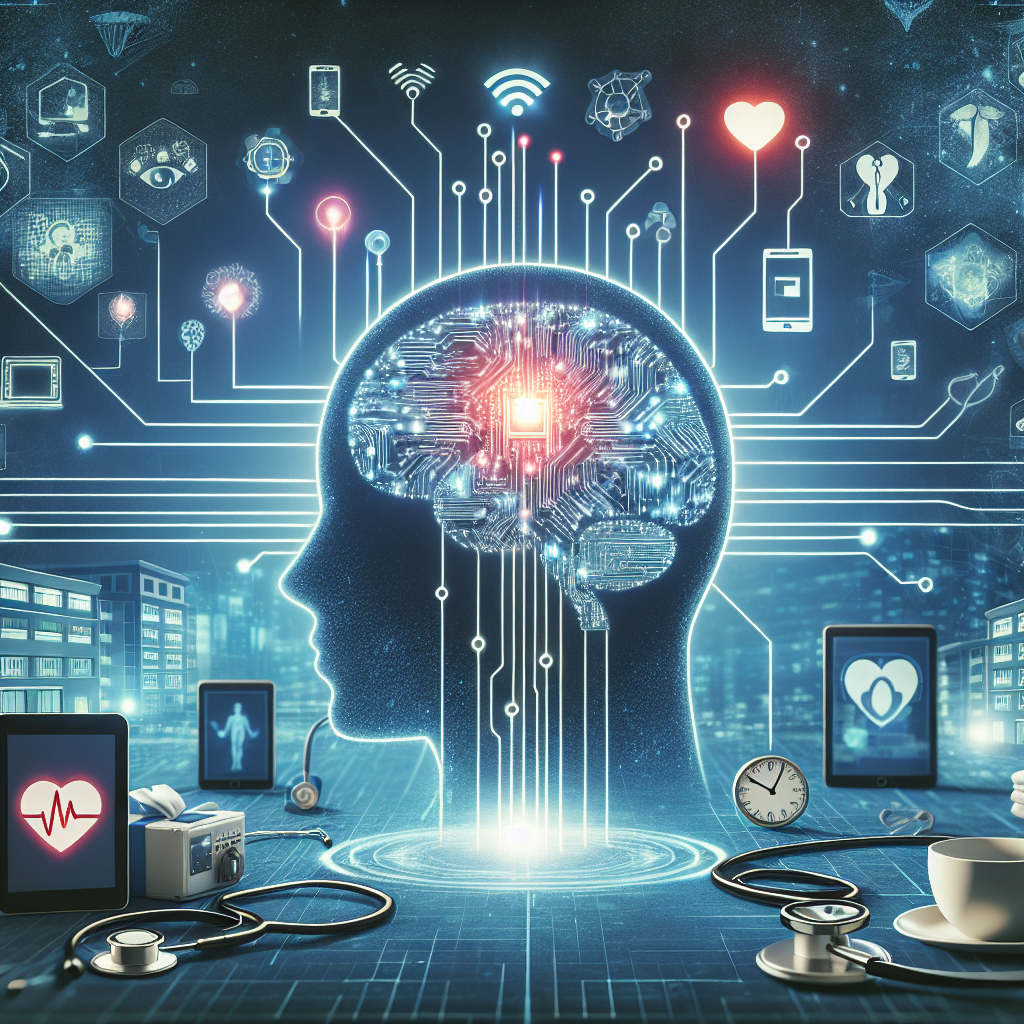
AI and IoT in Healthcare: Enhancing Connectivity
In recent years, the healthcare industry has seen a significant increase in the use of Artificial Intelligence (AI) and Internet of Things (IoT) technologies to improve patient care, streamline operations, and enhance connectivity. These cutting-edge technologies have the potential to revolutionize the way healthcare is delivered, making it more efficient, accurate, and personalized. In this article, we will explore the benefits of AI and IoT in healthcare and how they are enhancing connectivity in the industry.
Benefits of AI and IoT in Healthcare
AI and IoT technologies are being increasingly adopted in healthcare for a wide range of applications, from diagnostics and treatment to patient monitoring and administrative tasks. Some of the key benefits of these technologies include:
1. Improved diagnostics: AI-powered algorithms can analyze medical images, such as X-rays and MRIs, to detect abnormalities and assist physicians in making accurate diagnoses. This can lead to earlier detection of diseases, better treatment outcomes, and reduced healthcare costs.
2. Personalized treatment: AI algorithms can analyze patient data, such as medical history, genetic information, and lifestyle factors, to create personalized treatment plans. This can result in more effective treatments and better patient outcomes.
3. Remote patient monitoring: IoT devices, such as wearable sensors and smart medical devices, can continuously monitor patients’ vital signs and health metrics in real-time. This allows healthcare providers to track patients’ progress, detect early warning signs of complications, and intervene proactively.
4. Predictive analytics: AI algorithms can analyze large datasets of patient information to identify patterns and trends that can help predict disease outbreaks, optimize resource allocation, and improve patient outcomes. This can lead to more efficient healthcare delivery and better population health management.
5. Enhanced connectivity: AI and IoT technologies enable seamless communication and data sharing between healthcare providers, patients, and other stakeholders. This can improve care coordination, reduce errors, and enhance the overall patient experience.
How AI and IoT are Enhancing Connectivity in Healthcare
AI and IoT technologies are transforming the way healthcare is delivered by enhancing connectivity between patients, healthcare providers, and other stakeholders. Here are some of the ways in which these technologies are improving connectivity in the industry:
1. Telemedicine: AI and IoT technologies enable remote consultations between patients and healthcare providers, allowing patients to receive medical advice and treatment without having to visit a healthcare facility. This can improve access to care, especially for patients in rural or underserved areas, and reduce unnecessary hospital visits.
2. Electronic health records (EHRs): AI-powered EHR systems can streamline the documentation and management of patient information, making it easier for healthcare providers to access and share data across different care settings. This can improve care coordination, reduce administrative burden, and enhance patient safety.
3. Real-time monitoring: IoT devices can continuously monitor patients’ health metrics, such as heart rate, blood pressure, and glucose levels, and transmit this data to healthcare providers in real-time. This allows for early detection of health problems, timely interventions, and improved patient outcomes.
4. Predictive analytics: AI algorithms can analyze large datasets of patient information to identify trends and patterns that can help predict disease outbreaks, optimize resource allocation, and improve patient outcomes. This can enable healthcare providers to deliver more proactive and personalized care to their patients.
5. Smart hospitals: IoT technologies are being used to create smart hospitals that are equipped with connected devices, sensors, and systems that can automate and optimize various healthcare processes. This can improve operational efficiency, reduce costs, and enhance the overall patient experience.
FAQs
Q: How secure are AI and IoT technologies in healthcare?
A: Security is a top priority in healthcare, and AI and IoT technologies are no exception. Healthcare organizations are implementing robust security measures, such as encryption, authentication, and access controls, to protect patient data and ensure compliance with privacy regulations, such as HIPAA.
Q: How are AI and IoT technologies being regulated in healthcare?
A: Regulatory bodies, such as the FDA and the European Commission, are developing guidelines and standards for the use of AI and IoT technologies in healthcare to ensure patient safety, data privacy, and ethical use of these technologies. Healthcare organizations are required to adhere to these regulations and obtain necessary approvals before deploying AI and IoT solutions.
Q: What are the challenges of implementing AI and IoT technologies in healthcare?
A: Some of the challenges of implementing AI and IoT technologies in healthcare include data privacy concerns, interoperability issues, lack of standardization, and resistance to change from healthcare providers. Overcoming these challenges requires collaboration between stakeholders, investment in training and infrastructure, and a commitment to continuous improvement.
Q: How can healthcare organizations benefit from AI and IoT technologies?
A: Healthcare organizations can benefit from AI and IoT technologies by improving patient care, increasing operational efficiency, reducing costs, enhancing connectivity, and driving innovation. These technologies have the potential to transform the way healthcare is delivered, making it more personalized, proactive, and efficient.
In conclusion, AI and IoT technologies are revolutionizing the healthcare industry by enhancing connectivity between patients, healthcare providers, and other stakeholders. These cutting-edge technologies are improving patient care, streamlining operations, and driving innovation in healthcare delivery. By leveraging the power of AI and IoT, healthcare organizations can deliver more personalized, efficient, and effective care to their patients, ultimately improving health outcomes and enhancing the overall patient experience.