
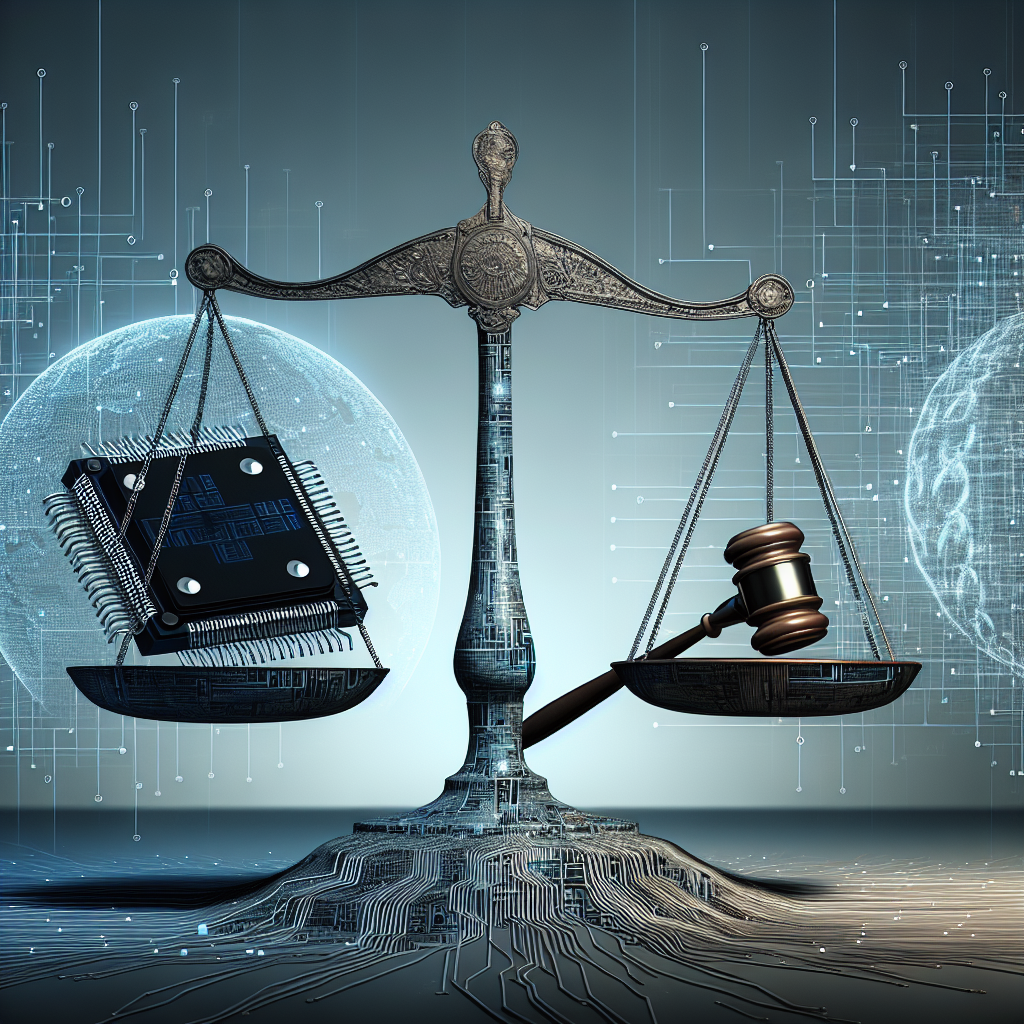
Artificial intelligence (AI) has revolutionized many aspects of our daily lives, from healthcare to transportation to entertainment. In recent years, AI has also begun to play a significant role in the legal and criminal justice systems. While AI has the potential to make these systems more efficient and effective, it also raises important ethical questions that need to be considered.
One of the key ethical concerns surrounding AI in the legal and criminal justice systems is the potential for bias. AI algorithms are trained on large datasets, which can sometimes contain biased or discriminatory information. This can lead to AI systems making decisions that are unfair or unjust, particularly when it comes to issues of race, gender, or socioeconomic status.
For example, in the criminal justice system, AI algorithms are often used to predict recidivism rates and determine sentencing decisions. However, if these algorithms are trained on historical data that reflects biases in the criminal justice system, they may perpetuate these biases and lead to discriminatory outcomes.
Another ethical concern is the lack of transparency in AI decision-making. Unlike human judges or prosecutors, AI systems operate using complex algorithms that can be difficult to understand or interpret. This lack of transparency can make it challenging for individuals to challenge or appeal decisions made by AI systems, leading to concerns about accountability and due process.
Furthermore, there is the issue of data privacy and security. AI systems in the legal and criminal justice systems often rely on large amounts of sensitive personal data, such as criminal records, medical histories, and financial information. There is a risk that this data could be hacked or misused, leading to breaches of privacy and potential harm to individuals involved in legal proceedings.
Despite these ethical concerns, AI also has the potential to bring significant benefits to the legal and criminal justice systems. AI algorithms can analyze large amounts of data quickly and accurately, helping to identify patterns and trends that human judges or lawyers may overlook. This can lead to more effective legal research, case analysis, and decision-making.
AI can also help to streamline administrative processes in the legal and criminal justice systems, reducing the time and cost associated with tasks such as document review, case management, and scheduling. This can free up human resources to focus on more complex and high-level tasks, improving overall efficiency and productivity.
To address the ethical concerns surrounding AI in the legal and criminal justice systems, it is important for policymakers, legal professionals, and technology developers to work together to establish clear guidelines and regulations for the use of AI. This may include ensuring transparency and accountability in AI decision-making, promoting diversity and inclusivity in AI development teams, and implementing robust data privacy and security measures.
Additionally, ongoing monitoring and evaluation of AI systems in the legal and criminal justice systems are essential to identify and address any biases or risks that may arise. This may involve conducting regular audits of AI algorithms, engaging with stakeholders to gather feedback and input, and providing training and education on AI ethics and best practices.
Overall, the ethical implications of AI in the legal and criminal justice systems are complex and multifaceted. While AI has the potential to bring significant benefits, it also raises important questions about bias, transparency, privacy, and accountability that need to be carefully considered and addressed. By working together to establish clear guidelines and regulations, we can ensure that AI is used responsibly and ethically in the legal and criminal justice systems.
FAQs:
Q: How is AI currently being used in the legal system?
A: AI is being used in the legal system in a variety of ways, including for legal research, case analysis, document review, and predictive analytics. AI algorithms can analyze large amounts of legal data quickly and accurately, helping to identify relevant case law, statutes, and precedents that may impact a particular legal issue.
Q: What are some examples of bias in AI algorithms used in the criminal justice system?
A: One example of bias in AI algorithms used in the criminal justice system is the use of historical data that reflects biases in policing and sentencing practices. This can lead to AI systems making decisions that disproportionately impact marginalized communities, such as people of color or low-income individuals.
Q: How can we ensure transparency and accountability in AI decision-making in the legal system?
A: To ensure transparency and accountability in AI decision-making in the legal system, it is important to conduct regular audits of AI algorithms, engage with stakeholders to gather feedback and input, and provide training and education on AI ethics and best practices. Additionally, establishing clear guidelines and regulations for the use of AI can help to promote responsible and ethical decision-making.
Q: What are some potential benefits of using AI in the legal system?
A: Some potential benefits of using AI in the legal system include improved efficiency and productivity, more accurate and timely decision-making, and reduced costs associated with administrative tasks. AI algorithms can help to streamline legal research, case analysis, and document review, freeing up human resources to focus on more complex and high-level tasks.
Q: How can we address the ethical concerns surrounding AI in the legal and criminal justice systems?
A: To address the ethical concerns surrounding AI in the legal and criminal justice systems, it is important for policymakers, legal professionals, and technology developers to work together to establish clear guidelines and regulations for the use of AI. This may include ensuring transparency and accountability in AI decision-making, promoting diversity and inclusivity in AI development teams, and implementing robust data privacy and security measures. Ongoing monitoring and evaluation of AI systems are also essential to identify and address any biases or risks that may arise.