
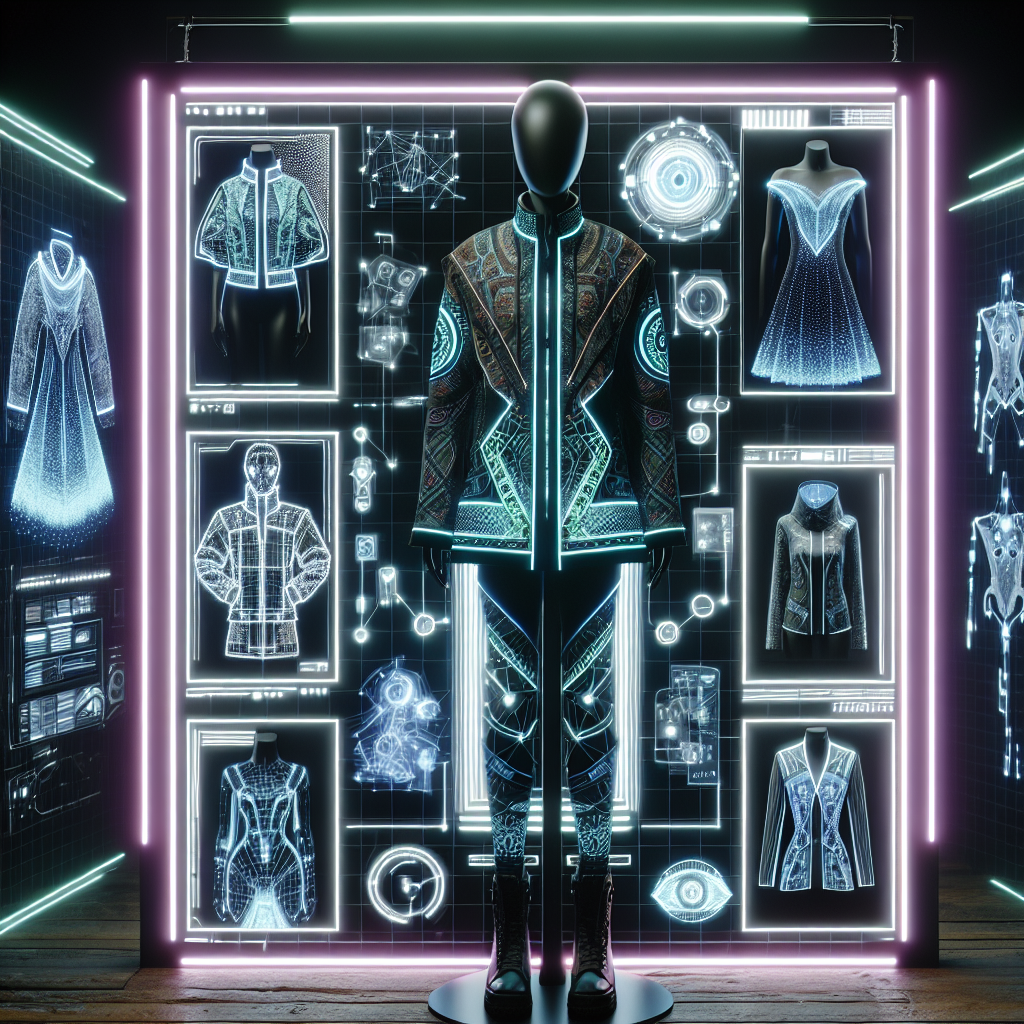
Artificial Intelligence (AI) has revolutionized many industries, from healthcare to finance, and now it is making its mark on the fashion world. With the rise of e-commerce and social media, fashion brands are increasingly turning to AI to enhance the shopping experience for consumers and streamline their operations. From personalized recommendations to virtual try-on tools, AI is changing the way we shop for clothes and accessories.
One of the most prominent uses of AI in fashion is in the area of personalized recommendations. By analyzing customer data and preferences, AI algorithms can suggest items that a shopper is likely to be interested in, leading to higher conversion rates and increased sales. This technology is being used by major retailers like Amazon and ASOS to provide a more tailored shopping experience for their customers.
Another area where AI is making a big impact is in virtual try-on tools. With the rise of augmented reality (AR) technology, shoppers can now see how clothes will look on them without having to try them on in a store. This not only saves time and effort for the consumer but also reduces the likelihood of returns, as shoppers can see how an item will fit before making a purchase.
AI is also being used to improve supply chain management and inventory forecasting in the fashion industry. By analyzing historical sales data and trends, AI algorithms can help retailers optimize their inventory levels and reduce waste. This can lead to significant cost savings for companies and a more sustainable approach to fashion production.
In addition to these practical applications, AI is also being used to push the boundaries of creativity in fashion design. Designers are using AI algorithms to generate new patterns, textures, and silhouettes that would be difficult or impossible to create using traditional methods. This has led to a wave of innovative and avant-garde designs that are pushing the boundaries of what is possible in the fashion world.
Despite the many benefits of AI in fashion, there are also concerns about its impact on the industry. One of the biggest concerns is the potential for job loss, as AI technologies automate tasks that were previously done by humans. This has led to fears that AI could replace human workers, particularly in areas like customer service and manufacturing.
There are also concerns about privacy and data security, as AI relies on vast amounts of data to make accurate predictions and recommendations. This has raised questions about how companies are collecting and using this data, and whether consumers are being adequately protected.
Despite these concerns, the potential for AI in the fashion industry is vast. By harnessing the power of AI, fashion brands can create more personalized shopping experiences for their customers, optimize their operations, and push the boundaries of creativity in design. As AI continues to evolve, we can expect to see even more innovative applications in the world of fashion.
FAQs:
Q: How is AI being used in fashion design?
A: AI is being used in fashion design to generate new patterns, textures, and silhouettes that would be difficult or impossible to create using traditional methods. Designers are using AI algorithms to push the boundaries of creativity and create innovative designs.
Q: What are some examples of AI in fashion?
A: Some examples of AI in fashion include personalized recommendations, virtual try-on tools, and supply chain management. These technologies are being used by major retailers to enhance the shopping experience for consumers and streamline their operations.
Q: What are some concerns about AI in fashion?
A: Some concerns about AI in fashion include job loss, privacy, and data security. There are fears that AI could replace human workers in certain areas, and questions about how companies are collecting and using consumer data.
Q: How can AI benefit the fashion industry?
A: AI can benefit the fashion industry by providing more personalized shopping experiences for consumers, optimizing operations, and pushing the boundaries of creativity in design. AI has the potential to revolutionize the way we shop for clothes and accessories.