
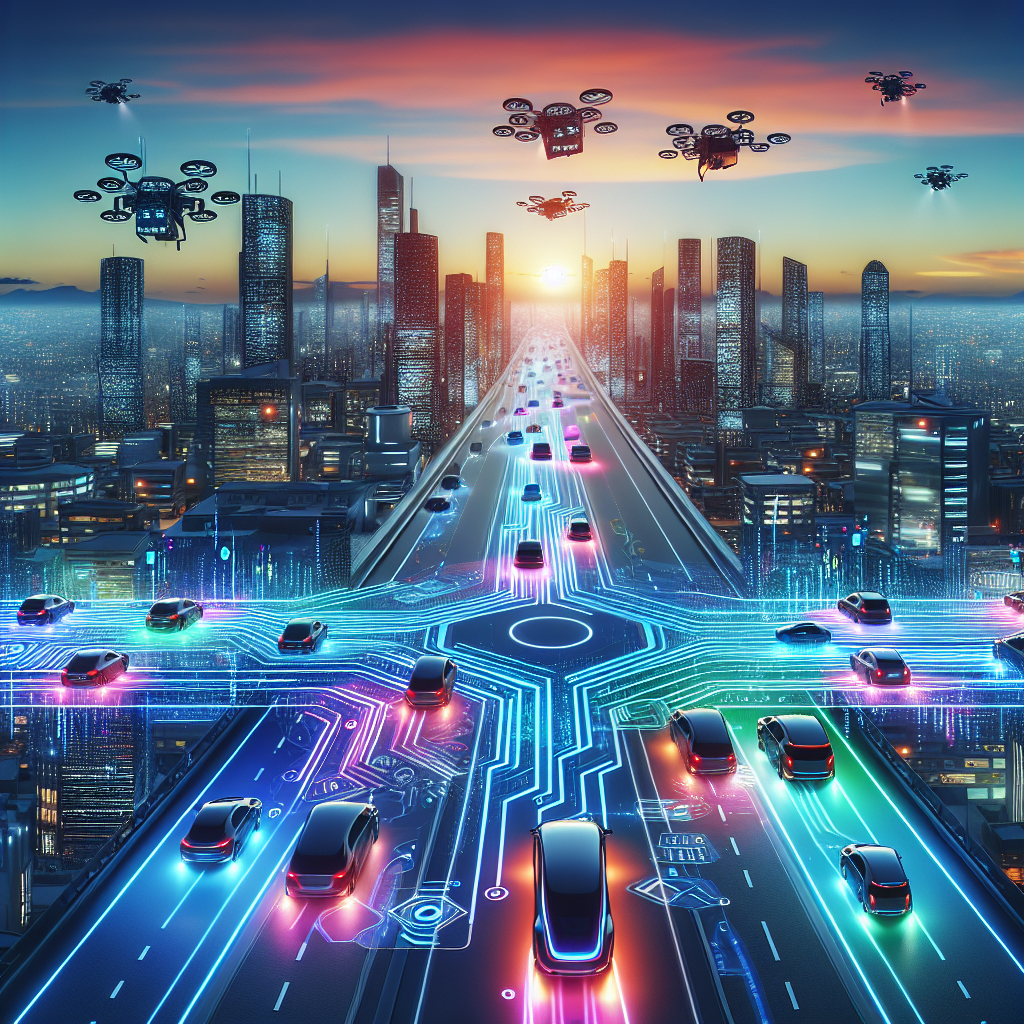
Enhancing Safety in Transportation with Artificial Intelligence
Artificial Intelligence (AI) has revolutionized various industries, and one of the areas where it has made a significant impact is in transportation. AI has the potential to enhance safety in transportation by providing real-time data, predictive analytics, and automation that can help prevent accidents and improve overall efficiency. In this article, we will explore how AI is being used to enhance safety in transportation and the benefits it brings to the industry.
1. Real-time Data Analysis
One of the key ways AI enhances safety in transportation is through real-time data analysis. AI algorithms can analyze data from various sources, such as sensors, cameras, and GPS systems, to provide real-time insights into road conditions, traffic patterns, and potential hazards. This information can help drivers and transportation companies make informed decisions to avoid accidents and improve overall safety.
For example, AI-powered dashcams can analyze video footage in real-time to detect unsafe driving behaviors, such as speeding, aggressive driving, or distracted driving. This information can be used to alert drivers to potential dangers and provide coaching to improve their driving habits. In addition, AI can also analyze traffic patterns to optimize route planning and reduce the risk of accidents caused by congestion or road closures.
2. Predictive Analytics
Another way AI enhances safety in transportation is through predictive analytics. AI algorithms can analyze historical data to identify patterns and trends that can help predict future accidents or breakdowns. By analyzing factors such as weather conditions, road conditions, driver behavior, and vehicle maintenance records, AI can provide insights into potential safety risks and recommend actions to prevent them.
For example, AI can predict when a vehicle is likely to experience a mechanical failure based on its maintenance history and performance data. This information can be used to schedule preventive maintenance and avoid breakdowns that could lead to accidents. Similarly, AI can analyze weather data to predict hazardous conditions, such as heavy rain or snow, and provide warnings to drivers to exercise caution or take alternative routes.
3. Automation
AI-powered automation is another key technology that enhances safety in transportation. Automation can help reduce human error, which is a leading cause of accidents on the road. AI-powered systems can assist drivers with tasks such as lane-keeping, collision avoidance, and adaptive cruise control to improve safety and reduce the risk of accidents.
For example, autonomous vehicles use AI algorithms to navigate the road, detect obstacles, and make decisions in real-time to avoid collisions. These vehicles can react faster than human drivers and have the potential to significantly reduce accidents caused by human error. In addition, AI-powered automation can also improve efficiency by optimizing driving routes, reducing fuel consumption, and minimizing wear and tear on vehicles.
Benefits of AI in Transportation Safety
There are several benefits of using AI to enhance safety in transportation. Some of the key advantages include:
1. Reduced Accidents: AI can help prevent accidents by providing real-time data, predictive analytics, and automation that can detect potential hazards and alert drivers to take corrective actions.
2. Improved Efficiency: AI can optimize route planning, reduce fuel consumption, and minimize wear and tear on vehicles, leading to cost savings and improved efficiency for transportation companies.
3. Enhanced Driver Training: AI-powered dashcams can analyze driving behaviors and provide coaching to improve driver performance, leading to safer roads and reduced accidents.
4. Faster Emergency Response: AI algorithms can analyze data from sensors and cameras to detect accidents and notify emergency services quickly, leading to faster response times and improved outcomes for injured individuals.
5. Enhanced Customer Experience: AI-powered systems can provide real-time updates on delivery status, traffic conditions, and alternative routes, leading to improved customer satisfaction and loyalty.
Frequently Asked Questions (FAQs)
Q: How is AI used in autonomous vehicles to enhance safety?
A: AI algorithms in autonomous vehicles analyze sensor data, such as cameras, radar, and lidar, to navigate the road, detect obstacles, and make decisions in real-time to avoid collisions.
Q: Can AI predict accidents before they happen?
A: Yes, AI algorithms can analyze historical data to identify patterns and trends that can help predict future accidents or breakdowns, allowing drivers and transportation companies to take preventive actions.
Q: What are some examples of AI-powered technologies that enhance safety in transportation?
A: AI-powered dashcams, predictive maintenance systems, and autonomous vehicles are examples of technologies that use AI to enhance safety in transportation.
Q: How can AI help improve driver training and performance?
A: AI-powered dashcams can analyze driving behaviors, such as speeding, aggressive driving, or distracted driving, and provide coaching to improve driver performance and safety on the road.
Q: What are the potential challenges of using AI to enhance safety in transportation?
A: Some potential challenges include data privacy concerns, regulatory issues, and the need for ongoing training and maintenance of AI systems to ensure their effectiveness and reliability.
In conclusion, AI has the potential to revolutionize safety in transportation by providing real-time data, predictive analytics, and automation that can help prevent accidents, improve efficiency, and enhance driver training. By leveraging the power of AI, transportation companies can create safer roads, reduce accidents, and improve overall safety for drivers, passengers, and pedestrians.