
Introduction
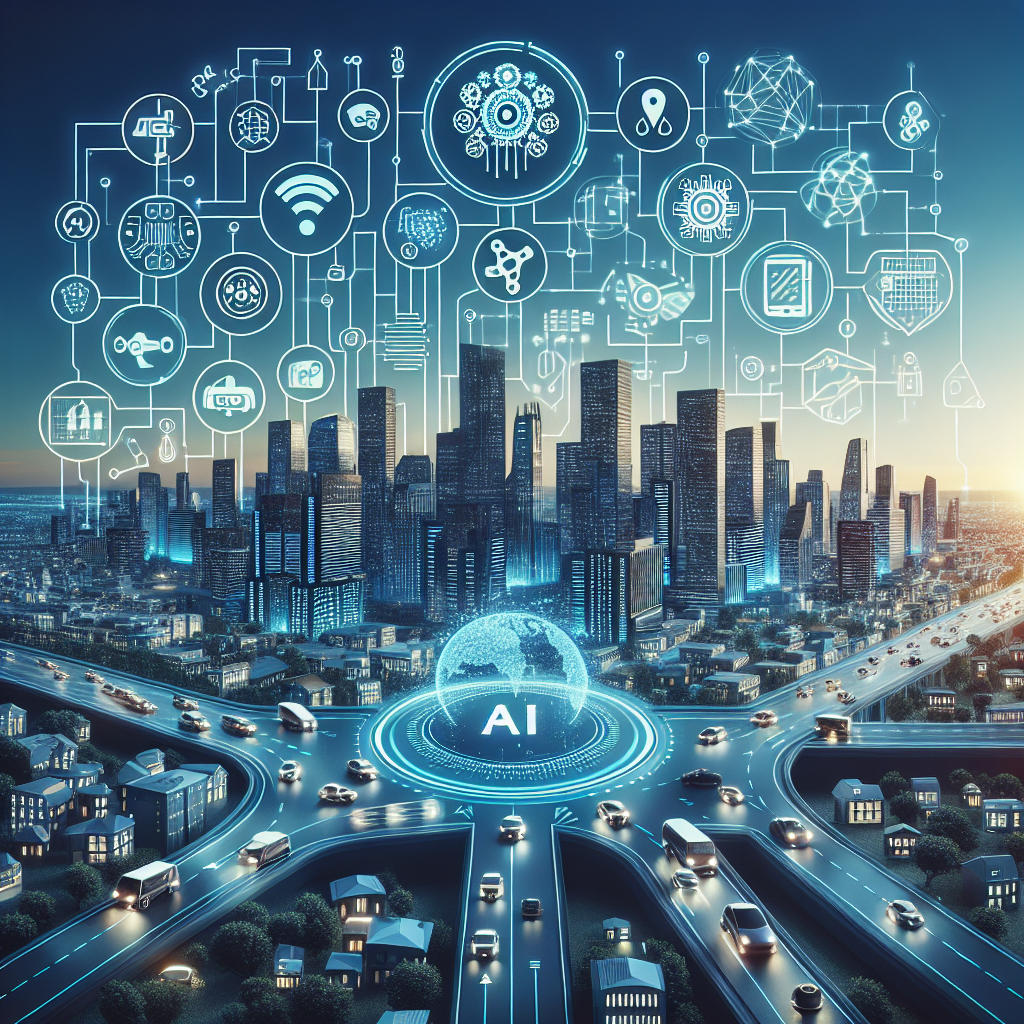
Artificial Intelligence (AI) is revolutionizing the way we live, work, and interact with our environment. One of the key areas where AI is making a significant impact is in the development of smart cities. Smart cities are urban areas that use technology and data to improve the quality of life for residents, enhance sustainability, and drive economic growth. AI plays a crucial role in making smart cities more efficient, safe, and sustainable. In this article, we will explore the impact of AI on smart cities and how it is shaping the future of urban living.
Impact of AI on Smart Cities
1. Traffic Management
One of the biggest challenges in urban areas is traffic congestion. AI-powered systems can analyze traffic patterns in real-time, predict congestion hotspots, and optimize traffic flow by adjusting traffic signals and rerouting vehicles. This not only reduces travel time for commuters but also improves air quality by reducing emissions from idling vehicles. For example, the city of Los Angeles has successfully implemented an AI-based traffic management system that has reduced travel times by up to 12%.
2. Energy Management
AI can help smart cities optimize energy consumption and reduce costs by analyzing data from smart meters, sensors, and other devices. By predicting energy demand and optimizing energy production and distribution, cities can reduce their carbon footprint and lower energy bills for residents. For instance, the city of Stockholm has reduced its energy consumption by 50% using AI-powered energy management systems.
3. Public Safety
AI-powered systems can enhance public safety by analyzing data from surveillance cameras, sensors, and social media to detect and respond to criminal activities in real-time. For example, the city of Chicago has reduced crime rates by 20% using AI algorithms that predict crime hotspots and deploy police resources accordingly. AI can also improve emergency response times by analyzing traffic patterns and dispatching emergency services more efficiently.
4. Waste Management
AI can help smart cities optimize waste collection routes, reduce landfill waste, and increase recycling rates by analyzing data from sensors and smart bins. By predicting waste generation patterns and optimizing collection schedules, cities can reduce costs and environmental impact. For example, the city of Barcelona has reduced its landfill waste by 80% using AI-powered waste management systems.
5. Healthcare
AI can improve healthcare services in smart cities by analyzing medical data, predicting disease outbreaks, and optimizing healthcare resources. For example, AI-powered systems can analyze patient data to identify high-risk individuals and provide personalized treatment plans. AI can also help cities track and contain disease outbreaks by analyzing data from healthcare facilities, social media, and other sources.
Frequently Asked Questions
1. How does AI improve urban transportation?
AI can improve urban transportation by analyzing traffic patterns, predicting congestion hotspots, and optimizing traffic flow. AI-powered systems can adjust traffic signals, reroute vehicles, and provide real-time traffic updates to commuters, reducing travel times and emissions.
2. How does AI help in energy management?
AI helps in energy management by analyzing data from smart meters, sensors, and other devices to predict energy demand, optimize energy production and distribution, and reduce costs. AI-powered systems can also help cities reduce their carbon footprint and lower energy bills for residents.
3. How does AI enhance public safety in smart cities?
AI enhances public safety in smart cities by analyzing data from surveillance cameras, sensors, and social media to detect and respond to criminal activities in real-time. AI algorithms can predict crime hotspots, deploy police resources efficiently, and improve emergency response times.
4. How does AI optimize waste management in smart cities?
AI optimizes waste management in smart cities by analyzing data from sensors and smart bins to predict waste generation patterns, optimize collection routes, and increase recycling rates. AI-powered systems can reduce costs, landfill waste, and environmental impact.
5. How does AI improve healthcare services in smart cities?
AI improves healthcare services in smart cities by analyzing medical data, predicting disease outbreaks, and optimizing healthcare resources. AI-powered systems can identify high-risk individuals, provide personalized treatment plans, and track and contain disease outbreaks.
Conclusion
AI is transforming smart cities by improving transportation, energy management, public safety, waste management, and healthcare services. By harnessing the power of AI, cities can become more efficient, sustainable, and livable for residents. As AI technology continues to evolve, the possibilities for smart cities are endless. It is crucial for city planners, policymakers, and residents to embrace AI and leverage its potential to create a better future for urban living.