
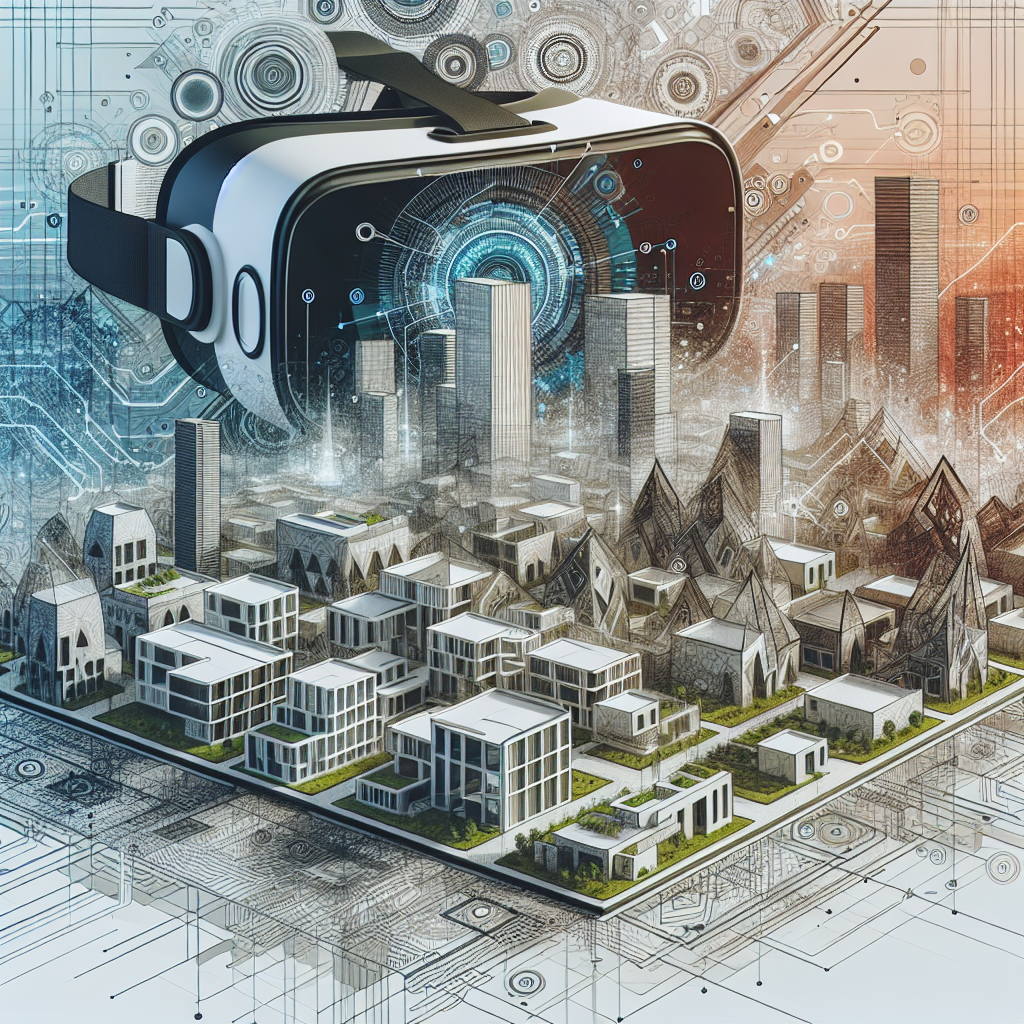
Artificial Intelligence (AI) and Virtual Reality (VR) are two cutting-edge technologies that are revolutionizing the field of architecture. By combining the power of AI with the immersive experience of VR, architects are able to create stunning designs and explore new possibilities in ways that were once thought impossible. In this article, we will explore how AI and VR are being used in architecture, the benefits and challenges of this technology, and what the future holds for the industry.
AI in Architecture
AI is being used in architecture to streamline the design process, enhance creativity, and improve efficiency. One of the key ways AI is being utilized is through generative design, which uses algorithms to generate thousands of design options based on a set of parameters and constraints. This allows architects to explore a wider range of design possibilities and find innovative solutions that may not have been considered otherwise.
AI is also being used for energy analysis and optimization in buildings. By using AI algorithms to analyze building performance data, architects can optimize energy usage, reduce costs, and create more sustainable buildings. This technology is particularly important as the world grapples with the challenges of climate change and the need for more sustainable design practices.
Another area where AI is making a significant impact in architecture is in the field of construction. AI-powered robots and drones are being used to automate construction tasks, improve safety, and increase efficiency. These robots can perform tasks such as bricklaying, 3D printing, and site inspection, freeing up human workers to focus on more complex and creative tasks.
Virtual Reality in Architecture
Virtual Reality (VR) is another technology that is transforming the field of architecture. VR allows architects to create immersive, 3D environments that clients can explore in real-time. This technology is particularly useful for presenting design concepts to clients and stakeholders, as it allows them to experience the space before it is built.
One of the key benefits of VR in architecture is its ability to improve communication and collaboration among project teams. By creating a virtual model of a building, architects, engineers, and clients can all work together to visualize the design, identify potential issues, and make changes in real-time. This can help to streamline the design process, reduce errors, and save time and money.
VR is also being used for training and education in architecture. Students can use VR to explore architectural concepts, study building materials, and practice design skills in a realistic, immersive environment. This technology is helping to prepare the next generation of architects for the challenges and opportunities of the digital age.
Benefits and Challenges of AI and VR in Architecture
There are many benefits to using AI and VR in architecture, including improved design creativity, enhanced visualization, and increased efficiency. By harnessing the power of AI and VR, architects can create designs that are more innovative, sustainable, and cost-effective. These technologies also allow architects to collaborate with clients and stakeholders in new ways, leading to better communication and more successful projects.
However, there are also challenges to implementing AI and VR in architecture. One of the main challenges is the cost of the technology, which can be prohibitive for some firms. Additionally, there is a learning curve associated with using AI and VR, as architects and designers must be trained on how to use the technology effectively. Finally, there are concerns about data privacy and security, as AI and VR technologies collect and store large amounts of sensitive information.
FAQs
Q: How is AI being used in architecture?
A: AI is being used in architecture for generative design, energy analysis, construction automation, and more. AI algorithms can generate thousands of design options, optimize energy usage in buildings, automate construction tasks, and improve safety and efficiency on job sites.
Q: What are the benefits of using VR in architecture?
A: VR allows architects to create immersive, 3D environments that clients can explore in real-time. This technology improves communication and collaboration among project teams, enhances visualization, and helps to streamline the design process. VR is also being used for training and education in architecture.
Q: What are some of the challenges of implementing AI and VR in architecture?
A: Some of the challenges of implementing AI and VR in architecture include the cost of the technology, the learning curve associated with using it, and concerns about data privacy and security. Architects and designers must be trained on how to use AI and VR effectively in order to reap the full benefits of these technologies.