
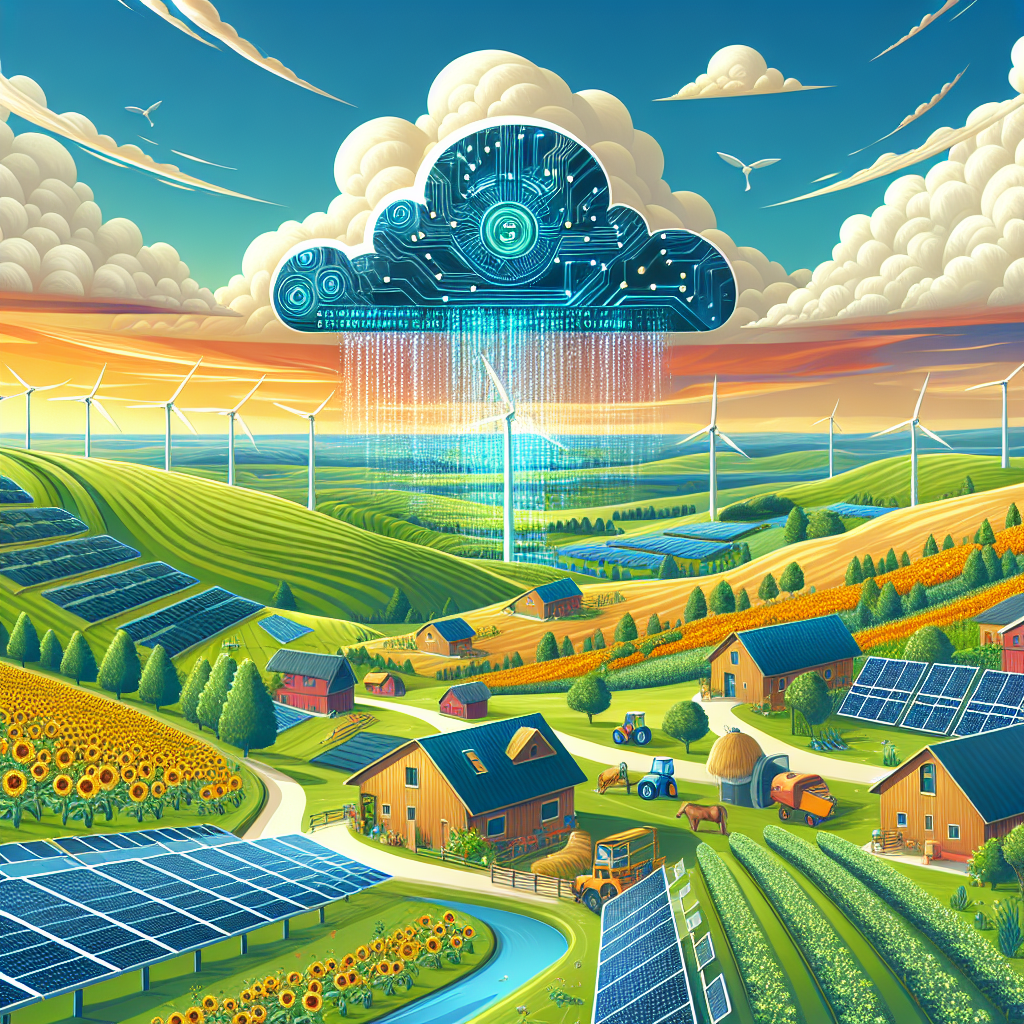
The Role of AI in Promoting Sustainable Energy Access in Rural Areas
In recent years, there has been a growing emphasis on promoting sustainable energy access in rural areas around the world. Access to reliable and clean energy is essential for economic development, quality of life, and environmental sustainability. However, many rural communities lack access to electricity or rely on traditional sources of energy such as wood or kerosene, which are harmful to the environment and human health.
Artificial intelligence (AI) has emerged as a powerful tool for promoting sustainable energy access in rural areas. AI technologies can help optimize energy production, distribution, and consumption, making renewable energy sources more accessible and affordable for rural communities. In this article, we will explore the role of AI in promoting sustainable energy access in rural areas and its potential benefits.
1. Optimizing Energy Production
One of the key benefits of AI in promoting sustainable energy access in rural areas is its ability to optimize energy production. AI algorithms can analyze data from renewable energy sources such as solar panels, wind turbines, and hydroelectric plants to optimize their performance and maximize energy output. This can help rural communities generate more clean energy at a lower cost, making renewable energy more accessible and affordable for rural households.
For example, AI can help predict weather patterns and optimize the operation of solar panels and wind turbines to maximize energy production. AI algorithms can also analyze real-time data from energy grids to identify inefficiencies and potential areas for improvement. By optimizing energy production, AI can help rural communities reduce their reliance on traditional sources of energy and transition to clean and sustainable energy sources.
2. Enhancing Energy Distribution
Another important role of AI in promoting sustainable energy access in rural areas is enhancing energy distribution. Many rural communities face challenges in distributing electricity from centralized power plants to remote areas. AI technologies such as smart grids and energy management systems can help optimize energy distribution and improve the reliability of electricity supply in rural areas.
Smart grids use AI algorithms to monitor and control energy flow in real-time, enabling more efficient distribution of electricity and better integration of renewable energy sources. Energy management systems can help rural communities track their energy consumption, identify energy-saving opportunities, and optimize energy usage to reduce costs and environmental impact.
By enhancing energy distribution, AI can help rural communities access reliable and affordable electricity, improve energy efficiency, and reduce their carbon footprint. This can contribute to sustainable development and economic growth in rural areas.
3. Promoting Energy Access
AI can also play a key role in promoting energy access in rural areas by developing innovative solutions to address energy poverty and improve energy affordability. For example, AI-powered microgrids can provide off-grid communities with access to clean and reliable electricity, enabling them to power their homes, schools, and businesses.
AI algorithms can help optimize the operation of microgrids, manage energy storage systems, and balance energy supply and demand in real-time. This can help rural communities increase their energy autonomy, reduce their dependence on centralized power plants, and improve their energy security.
In addition, AI can help rural communities access financing for renewable energy projects, develop business models for clean energy solutions, and promote energy entrepreneurship in rural areas. By leveraging AI technologies, rural communities can overcome barriers to energy access and accelerate the adoption of sustainable energy solutions.
4. Addressing Climate Change
The role of AI in promoting sustainable energy access in rural areas is closely linked to addressing climate change and reducing greenhouse gas emissions. By promoting the adoption of renewable energy sources such as solar, wind, and hydroelectric power, AI can help rural communities reduce their carbon footprint and mitigate the impacts of climate change.
AI technologies can help optimize energy systems, improve energy efficiency, and promote the integration of clean energy sources into existing energy infrastructure. By leveraging AI, rural communities can transition to a low-carbon economy, reduce their reliance on fossil fuels, and contribute to global efforts to combat climate change.
In conclusion, AI has the potential to play a transformative role in promoting sustainable energy access in rural areas. By optimizing energy production, enhancing energy distribution, promoting energy access, and addressing climate change, AI technologies can help rural communities transition to clean and sustainable energy sources, improve energy affordability, and promote economic development. As the world continues to grapple with the challenges of energy poverty, climate change, and environmental degradation, AI offers a promising pathway towards a more sustainable and equitable energy future for rural communities around the world.
FAQs
Q: How can AI help optimize energy production in rural areas?
A: AI algorithms can analyze data from renewable energy sources such as solar panels, wind turbines, and hydroelectric plants to optimize their performance and maximize energy output. By predicting weather patterns, analyzing real-time data, and optimizing energy systems, AI can help rural communities generate more clean energy at a lower cost.
Q: What are the benefits of AI in enhancing energy distribution in rural areas?
A: AI technologies such as smart grids and energy management systems can help optimize energy distribution, improve the reliability of electricity supply, and integrate renewable energy sources. By monitoring and controlling energy flow, managing energy storage, and balancing energy supply and demand, AI can enhance energy distribution in rural areas.
Q: How can AI promote energy access in off-grid communities?
A: AI-powered microgrids can provide off-grid communities with access to clean and reliable electricity, enabling them to power their homes, schools, and businesses. By optimizing the operation of microgrids, managing energy storage, and balancing energy supply and demand, AI can help rural communities increase their energy autonomy and improve their energy security.
Q: What role does AI play in addressing climate change in rural areas?
A: By promoting the adoption of renewable energy sources, optimizing energy systems, and reducing greenhouse gas emissions, AI can help rural communities transition to a low-carbon economy and mitigate the impacts of climate change. By leveraging AI technologies, rural communities can contribute to global efforts to combat climate change and promote environmental sustainability.