
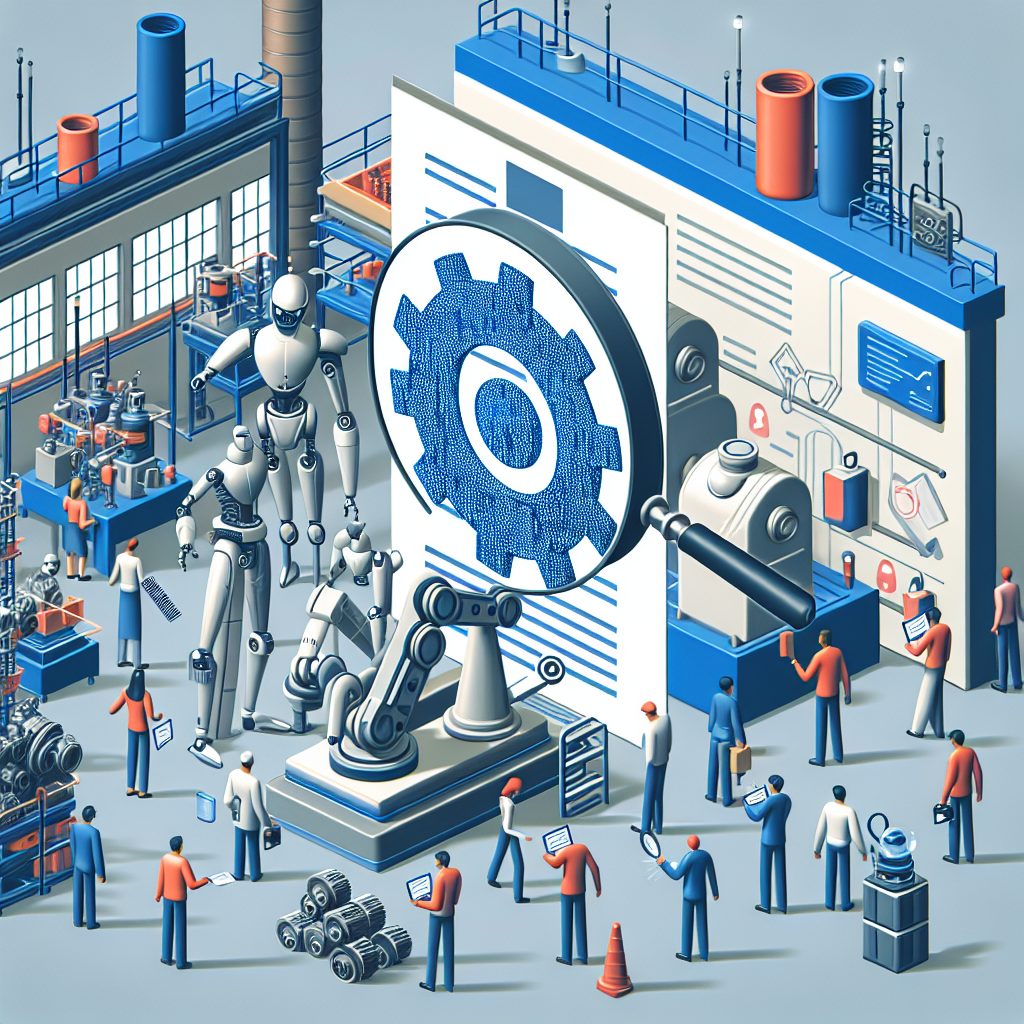
The manufacturing industry is undergoing a significant transformation with the integration of Artificial Intelligence (AI) technologies into various aspects of production processes. While AI has the potential to improve efficiency, productivity, and safety in the workplace, it also raises concerns about the implications for workplace privacy rights. In this article, we will explore the impact of AI on workplace privacy in the manufacturing industry and discuss the key issues and challenges that both employers and employees need to be aware of.
AI in the Manufacturing Industry
AI technologies have the ability to revolutionize the manufacturing industry by automating repetitive tasks, optimizing production processes, and enabling predictive maintenance. From robotic arms on assembly lines to machine learning algorithms that analyze data to improve quality control, AI has the potential to streamline operations and increase productivity.
However, the use of AI in the workplace also raises concerns about privacy rights, particularly in the context of monitoring and surveillance. Employers may use AI technologies to track employee performance, monitor behavior, and collect data on individual workers. While these practices can help improve efficiency and safety, they also raise questions about the extent to which employers can monitor and control their employees’ activities.
Implications for Workplace Privacy Rights
The use of AI in the manufacturing industry can have significant implications for workplace privacy rights. Employers may collect and analyze data on employees’ activities, such as their performance, behavior, and location, in order to improve productivity and efficiency. While this data can provide valuable insights into workforce dynamics and help identify areas for improvement, it also raises concerns about the invasion of employees’ privacy.
One of the key issues in the use of AI in the workplace is the potential for surveillance and monitoring of employees. Employers may use AI technologies to track employees’ movements, monitor their interactions with colleagues, and analyze their productivity levels. While these practices can help identify patterns and trends that may impact performance, they also raise questions about the extent to which employers can monitor and control their employees’ activities.
Another concern is the potential for bias and discrimination in AI systems. AI algorithms may be trained on historical data that reflects biases and prejudices, which can result in discriminatory outcomes for employees. For example, a facial recognition system that is biased against certain racial or gender groups could lead to unfair treatment of employees. Employers need to be aware of these risks and take steps to mitigate bias in AI systems to ensure fair and equitable treatment of all employees.
Challenges for Employers and Employees
Employers face a number of challenges when implementing AI technologies in the workplace, particularly in relation to privacy rights. They need to balance the benefits of AI in improving efficiency and productivity with the need to respect employees’ privacy and autonomy. Employers must ensure that they have clear policies and procedures in place for the collection, storage, and use of employee data, and that they comply with relevant privacy laws and regulations.
Employees also face challenges when it comes to AI in the workplace. They may be concerned about the potential for surveillance and monitoring of their activities, as well as the risk of bias and discrimination in AI systems. Employees need to be aware of their rights and responsibilities in relation to workplace privacy, and to speak up if they have concerns about how their data is being used.
FAQs
Q: Can employers use AI to monitor employees’ activities in the workplace?
A: Employers can use AI technologies to monitor employees’ activities in the workplace, such as tracking their performance, behavior, and location. However, employers need to ensure that they have clear policies and procedures in place for the collection and use of employee data, and that they comply with relevant privacy laws and regulations.
Q: What are the risks of bias and discrimination in AI systems?
A: AI algorithms may be trained on historical data that reflects biases and prejudices, which can result in discriminatory outcomes for employees. Employers need to be aware of these risks and take steps to mitigate bias in AI systems to ensure fair and equitable treatment of all employees.
Q: What can employees do if they have concerns about privacy in the workplace?
A: Employees should be aware of their rights and responsibilities in relation to workplace privacy, and to speak up if they have concerns about how their data is being used. Employees can raise their concerns with their employer or HR department, or seek advice from a legal professional if necessary.
In conclusion, the use of AI in the manufacturing industry has the potential to transform operations and improve efficiency, but it also raises concerns about workplace privacy rights. Employers and employees need to be aware of the implications of AI on privacy in the workplace and take steps to ensure that data is collected, stored, and used in a fair and transparent manner. By addressing these challenges proactively, employers can harness the benefits of AI while protecting the privacy rights of their employees.