
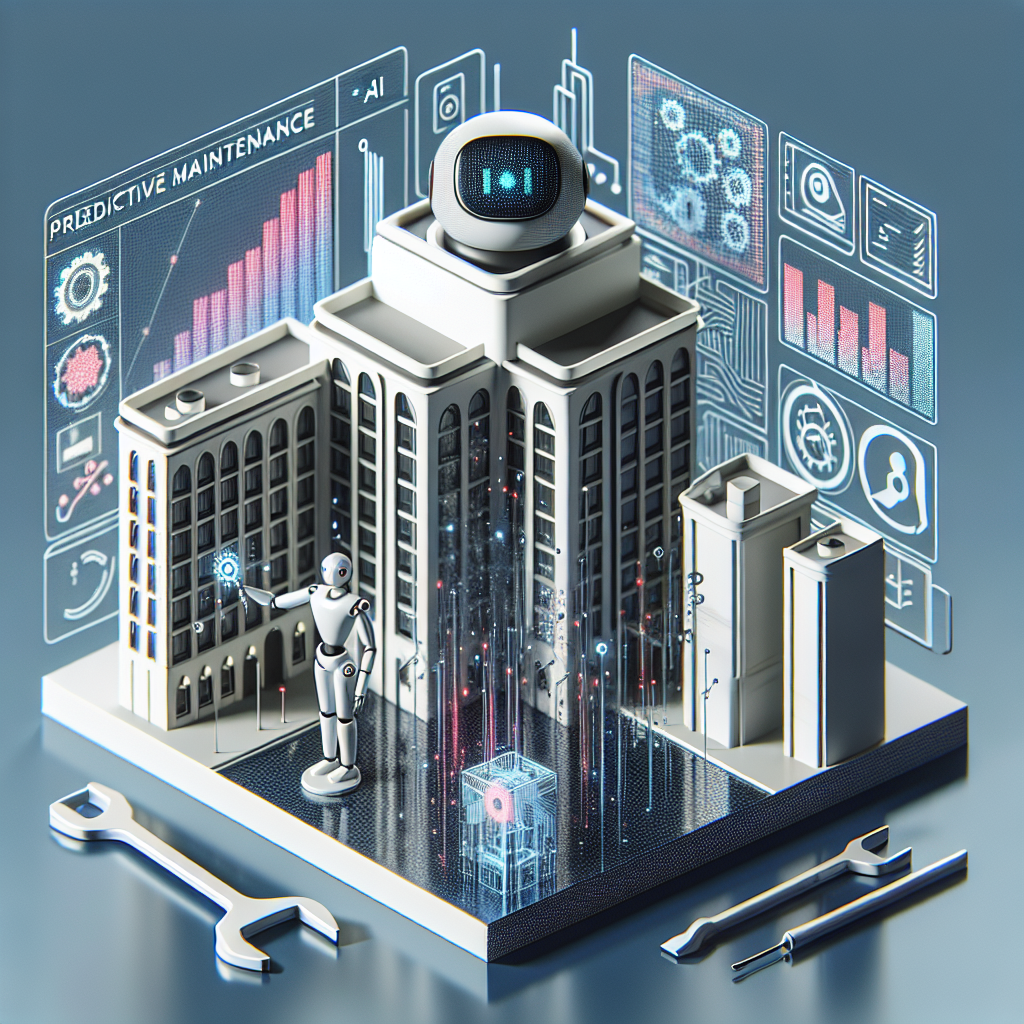
In the competitive world of hospitality, hotels are constantly looking for ways to improve their operations and enhance the guest experience. One way that hotels are achieving this is through the use of AI-driven predictive maintenance. By leveraging the power of artificial intelligence, hotels can proactively identify and address maintenance issues before they become major problems, saving time and money while also improving guest satisfaction.
What is AI-driven Predictive Maintenance?
AI-driven predictive maintenance is a cutting-edge technology that uses artificial intelligence and machine learning algorithms to analyze data and predict when equipment or systems are likely to fail. By monitoring key indicators and patterns, AI can identify potential issues before they occur, allowing hotel maintenance teams to take proactive measures to prevent downtime and costly repairs.
How does AI-driven Predictive Maintenance work in hotels?
In a hotel setting, AI-driven predictive maintenance works by collecting and analyzing data from various sources, such as sensors, equipment logs, and maintenance records. This data is then used to train machine learning algorithms to detect patterns and anomalies that may indicate a potential maintenance issue. By continuously monitoring equipment and systems, AI can predict when maintenance is needed and alert hotel staff to take action.
What are the benefits of AI-driven Predictive Maintenance for hotels?
There are several benefits of using AI-driven predictive maintenance in hotels, including:
1. Increased efficiency: By proactively identifying maintenance issues, hotels can avoid costly downtime and disruptions to guest services.
2. Cost savings: Preventive maintenance is typically less expensive than reactive maintenance, saving hotels money in the long run.
3. Improved guest satisfaction: By ensuring that equipment and systems are always in good working order, hotels can provide a better guest experience and avoid negative reviews.
4. Extended equipment lifespan: By addressing maintenance issues before they escalate, hotels can prolong the lifespan of their equipment and reduce the need for costly replacements.
5. Enhanced safety: By identifying potential safety hazards early on, hotels can prevent accidents and ensure the well-being of guests and staff.
How can hotels implement AI-driven Predictive Maintenance?
To implement AI-driven predictive maintenance in a hotel, the first step is to collect and integrate data from various sources, such as sensors, equipment logs, and maintenance records. This data is then fed into machine learning algorithms, which are trained to detect patterns and anomalies that may indicate a maintenance issue. Once the algorithms are in place, hotel staff can use the insights generated to prioritize maintenance tasks and take proactive measures to prevent issues from escalating.
What are the challenges of implementing AI-driven Predictive Maintenance in hotels?
While AI-driven predictive maintenance offers many benefits, there are also challenges to consider when implementing this technology in a hotel setting. Some of the key challenges include:
1. Data integration: Collecting and integrating data from various sources can be complex and time-consuming, requiring careful planning and coordination.
2. Training algorithms: Training machine learning algorithms requires expertise and resources, which may be a barrier for some hotels with limited technical capabilities.
3. Change management: Implementing AI-driven predictive maintenance may require a shift in mindset and processes for hotel staff, which can be met with resistance or reluctance.
4. Cost: Implementing AI-driven predictive maintenance can be expensive, requiring investments in technology, training, and infrastructure.
5. Security and privacy: Collecting and analyzing large amounts of data raises concerns about security and privacy, especially in the hospitality industry where guest information must be protected.
Despite these challenges, the benefits of AI-driven predictive maintenance can outweigh the drawbacks, providing hotels with a competitive edge and improving overall operations.
FAQs about AI-driven Predictive Maintenance in hotels:
Q: How does AI-driven predictive maintenance differ from traditional maintenance practices?
A: Traditional maintenance practices typically rely on reactive measures, where maintenance is performed only after an issue arises. AI-driven predictive maintenance, on the other hand, uses data and algorithms to predict when maintenance is needed before a problem occurs, allowing for proactive measures to be taken.
Q: What types of equipment and systems can benefit from AI-driven predictive maintenance in hotels?
A: AI-driven predictive maintenance can be applied to a wide range of equipment and systems in hotels, including HVAC systems, elevators, plumbing, electrical systems, and kitchen appliances.
Q: How can hotels measure the success of AI-driven predictive maintenance?
A: Hotels can measure the success of AI-driven predictive maintenance by tracking key performance indicators, such as reduced downtime, cost savings, guest satisfaction scores, and equipment lifespan.
Q: Is AI-driven predictive maintenance scalable for large hotel chains?
A: Yes, AI-driven predictive maintenance can be scaled to meet the needs of large hotel chains by implementing centralized monitoring systems and integrating data from multiple locations.
Q: What are some best practices for implementing AI-driven predictive maintenance in hotels?
A: Some best practices for implementing AI-driven predictive maintenance in hotels include: conducting a thorough assessment of current maintenance practices and systems, setting clear goals and objectives, training staff on new technologies and processes, and regularly monitoring and evaluating performance.
In conclusion, AI-driven predictive maintenance is a powerful tool that hotels can use to enhance their operations and improve the guest experience. By leveraging artificial intelligence and machine learning algorithms, hotels can proactively identify and address maintenance issues, leading to increased efficiency, cost savings, and guest satisfaction. While there are challenges to implementing this technology, the benefits far outweigh the drawbacks, making AI-driven predictive maintenance a valuable investment for hotels looking to stay ahead in the competitive hospitality industry.