
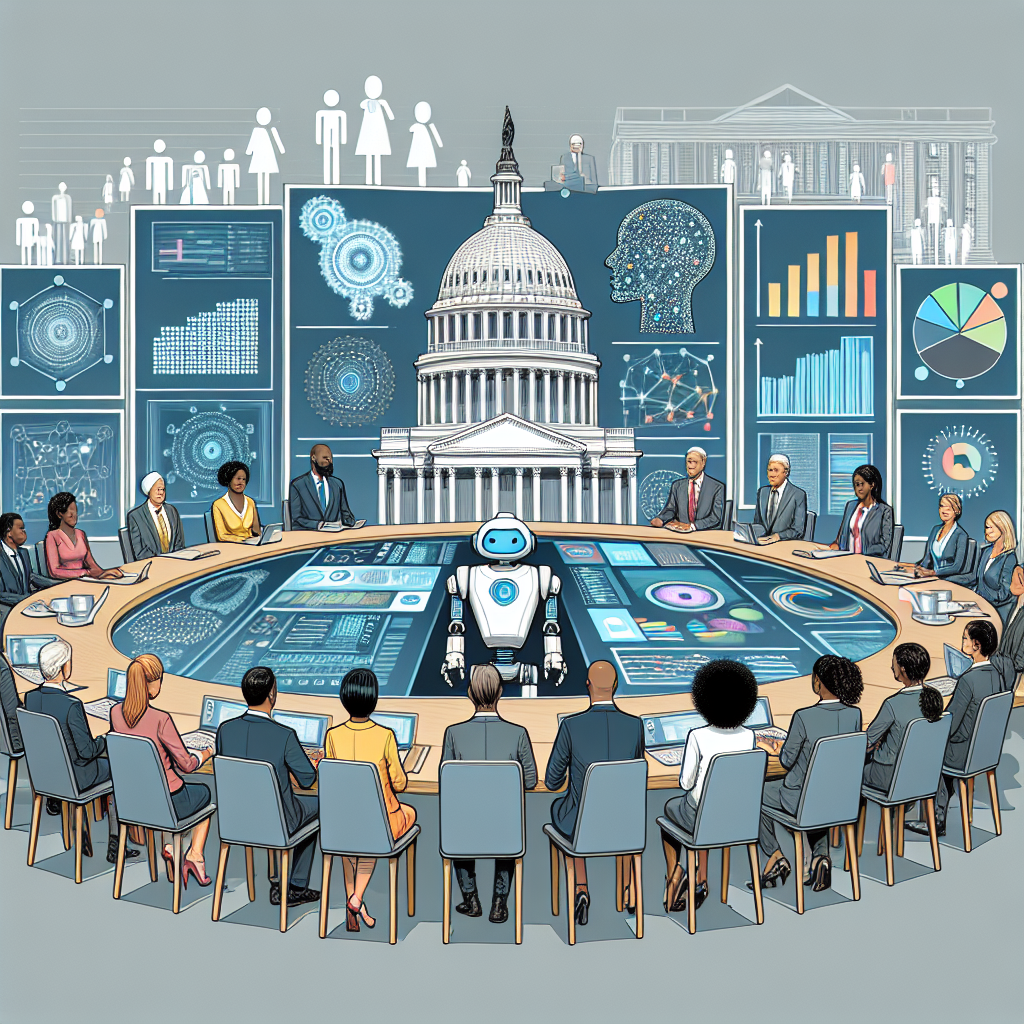
In recent years, the use of artificial intelligence (AI) in government has grown significantly. AI has the potential to revolutionize the way governments interact with citizens, providing more efficient and effective services and improving overall citizen engagement. By harnessing the power of AI, governments can better understand the needs and preferences of their citizens, provide more personalized services, and increase transparency and accountability in their decision-making processes.
Enhancing citizen engagement with AI in government involves using AI tools and technologies to streamline processes, improve communication, and deliver better services to citizens. From chatbots that provide instant answers to citizen inquiries to predictive analytics that help governments better anticipate and respond to citizen needs, AI has the potential to transform the way governments interact with their constituents.
One of the key ways that AI can enhance citizen engagement in government is through improved communication. AI-powered chatbots can provide citizens with instant answers to their questions, reducing wait times and improving overall satisfaction. These chatbots can be integrated into government websites and social media platforms, providing citizens with easy access to information and services.
AI can also help governments better understand the needs and preferences of their citizens. By analyzing large amounts of data, AI algorithms can identify trends and patterns in citizen behavior, allowing governments to tailor their services to better meet the needs of their constituents. For example, AI can be used to predict spikes in demand for certain services, allowing governments to allocate resources more efficiently and effectively.
Furthermore, AI can help governments increase transparency and accountability in their decision-making processes. By analyzing data on government operations and performance, AI can help identify areas for improvement and highlight potential areas of concern. This can help governments make more informed decisions and ensure that they are accountable to their citizens.
Overall, the use of AI in government has the potential to revolutionize the way governments interact with citizens, providing more efficient and effective services and improving overall citizen engagement. By harnessing the power of AI, governments can better understand the needs and preferences of their citizens, provide more personalized services, and increase transparency and accountability in their decision-making processes.
FAQs:
Q: How can AI improve citizen engagement in government?
A: AI can improve citizen engagement in government by streamlining processes, improving communication, and delivering better services to citizens. From chatbots that provide instant answers to citizen inquiries to predictive analytics that help governments better anticipate and respond to citizen needs, AI has the potential to transform the way governments interact with their constituents.
Q: What are some examples of AI tools that can enhance citizen engagement in government?
A: Some examples of AI tools that can enhance citizen engagement in government include chatbots, predictive analytics, and data analysis tools. Chatbots can provide citizens with instant answers to their questions, reducing wait times and improving overall satisfaction. Predictive analytics can help governments better understand the needs and preferences of their citizens, allowing them to tailor their services to better meet the needs of their constituents. Data analysis tools can help governments increase transparency and accountability in their decision-making processes.
Q: How can governments ensure that AI is used ethically and responsibly in citizen engagement?
A: Governments can ensure that AI is used ethically and responsibly in citizen engagement by implementing guidelines and regulations that govern the use of AI technologies. This can include ensuring that AI algorithms are transparent and accountable, protecting citizen data and privacy, and ensuring that AI tools are used to benefit citizens and society as a whole. Governments can also engage with citizens and stakeholders to ensure that AI technologies are used in a way that is fair and equitable.
Q: What are some potential challenges of using AI in government to enhance citizen engagement?
A: Some potential challenges of using AI in government to enhance citizen engagement include concerns about privacy and data security, the potential for bias in AI algorithms, and the need for oversight and regulation of AI technologies. Governments must address these challenges to ensure that AI is used in a way that benefits citizens and society as a whole.