
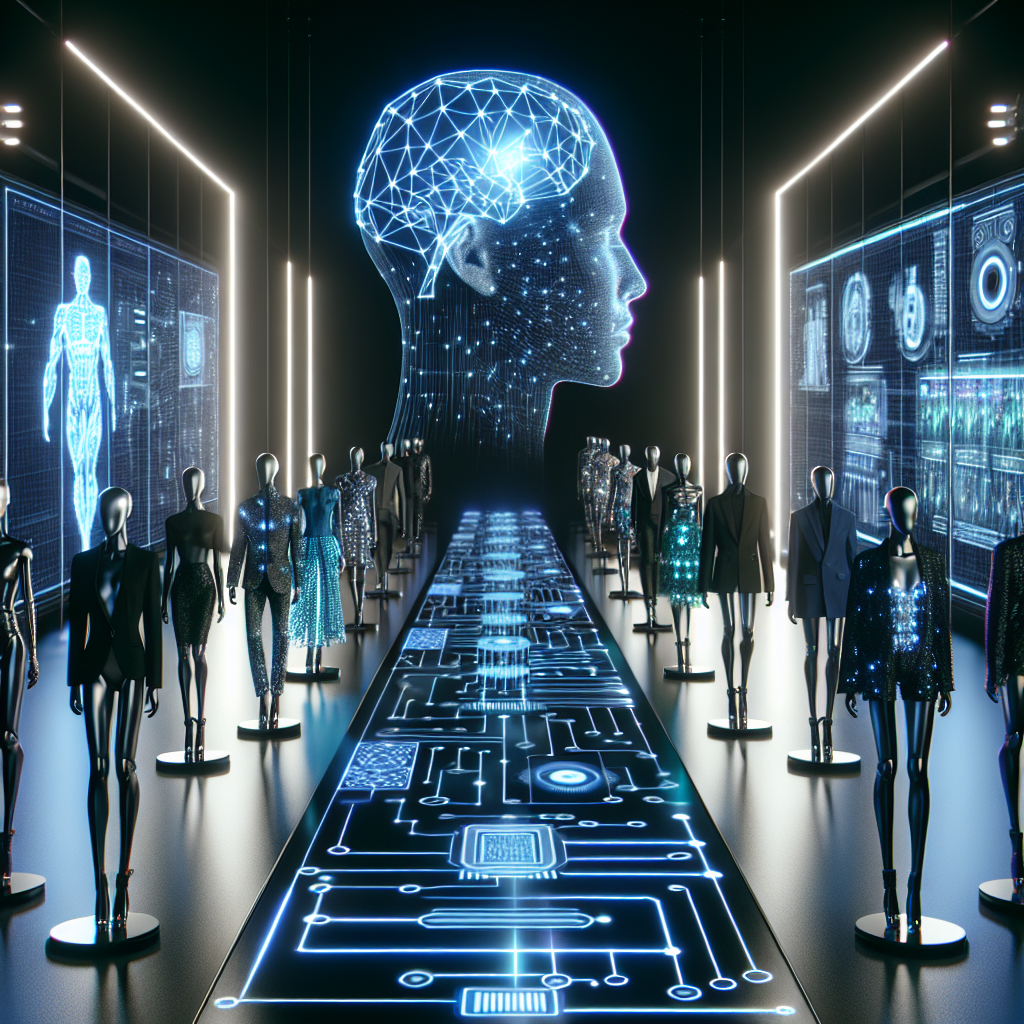
Artificial Intelligence (AI) has been making waves in the fashion industry over the past few years, revolutionizing the way brands design, produce, market, and sell their products. As we look towards 2022, there are several key trends in AI that are shaping the future of fashion. From personalized shopping experiences to sustainable practices, here are some of the top trends to watch in the coming year.
1. Personalized Shopping Experiences
One of the most significant trends in AI in fashion is the rise of personalized shopping experiences. With the help of AI algorithms, brands are able to analyze customer data and preferences to create personalized recommendations for each individual shopper. This not only enhances the customer’s shopping experience but also helps brands increase sales and customer loyalty.
AI-powered virtual stylists are also becoming increasingly popular, allowing customers to receive personalized styling advice and outfit recommendations based on their preferences and body type. This technology not only simplifies the shopping process but also helps customers discover new styles and trends that they may not have considered before.
2. Sustainable Practices
Another important trend in AI in fashion is the focus on sustainability. As the fashion industry grapples with the environmental impact of fast fashion, many brands are turning to AI to help reduce waste and improve their supply chain practices. AI algorithms can analyze data to optimize production processes, reduce overstock, and minimize waste, leading to a more sustainable and environmentally friendly fashion industry.
AI is also being used to develop innovative materials and manufacturing techniques that are more eco-friendly. From biodegradable fabrics to 3D printing, AI is helping fashion brands create products that are both stylish and sustainable.
3. Virtual Try-On and Fitting
Virtual try-on and fitting technology have become increasingly popular in the fashion industry, allowing customers to try on clothing and accessories virtually before making a purchase. AI-powered virtual fitting rooms use computer vision technology to accurately measure a customer’s body and create a 3D model that can be used to try on different clothing items.
This technology not only helps customers make more informed purchasing decisions but also reduces the number of returns and exchanges, leading to a more efficient and sustainable shopping experience.
4. Trend Forecasting
AI is also playing a key role in trend forecasting in the fashion industry. By analyzing social media trends, runway shows, and consumer data, AI algorithms can predict upcoming fashion trends with a high degree of accuracy. This allows brands to stay ahead of the curve and create products that resonate with consumers.
AI-powered trend forecasting also helps brands streamline their design and production processes, reducing time to market and increasing profitability. By leveraging AI technology, fashion brands can better understand their target audience and create products that align with current trends and consumer preferences.
5. Customer Service and Chatbots
AI-powered chatbots have become a popular tool for fashion brands looking to enhance their customer service experience. Chatbots can provide instant support to customers, answer common questions, and help with product recommendations and sizing guidance. This technology not only improves customer satisfaction but also helps brands automate their customer service processes, saving time and resources.
In addition, AI-powered chatbots can also be used for marketing and sales purposes, providing personalized recommendations and promotions to customers based on their preferences and shopping behavior. This helps brands increase sales and drive customer engagement in a more efficient and targeted manner.
FAQs
1. How is AI being used in fashion design?
AI is being used in fashion design to streamline the design process, optimize production processes, and create more sustainable products. AI algorithms can analyze data to identify trends, predict consumer preferences, and generate design concepts. This technology not only helps designers create innovative and on-trend products but also reduces time to market and increases profitability.
2. How can AI improve the shopping experience for customers?
AI can improve the shopping experience for customers by providing personalized recommendations, virtual try-on and fitting technology, and instant customer service support through chatbots. This technology helps customers discover new styles, find the perfect fit, and receive timely assistance when needed, leading to a more seamless and enjoyable shopping experience.
3. How is AI helping fashion brands become more sustainable?
AI is helping fashion brands become more sustainable by optimizing production processes, reducing waste, and developing eco-friendly materials and manufacturing techniques. By leveraging AI technology, brands can create products that are both stylish and sustainable, reducing their environmental impact and promoting a more eco-conscious approach to fashion.
4. What are some examples of AI-powered fashion technology?
Some examples of AI-powered fashion technology include virtual stylists, virtual try-on and fitting technology, personalized recommendations, trend forecasting algorithms, and chatbots for customer service and marketing. These technologies are revolutionizing the way fashion brands design, produce, market, and sell their products, leading to a more efficient, sustainable, and customer-centric fashion industry.
In conclusion, the future of AI in fashion is bright, with innovative technologies transforming the way brands operate and interact with customers. From personalized shopping experiences to sustainable practices, AI is reshaping the fashion industry in exciting ways. As we look towards 2022, these trends will continue to evolve and shape the future of fashion, creating a more efficient, sustainable, and customer-centric industry for years to come.