
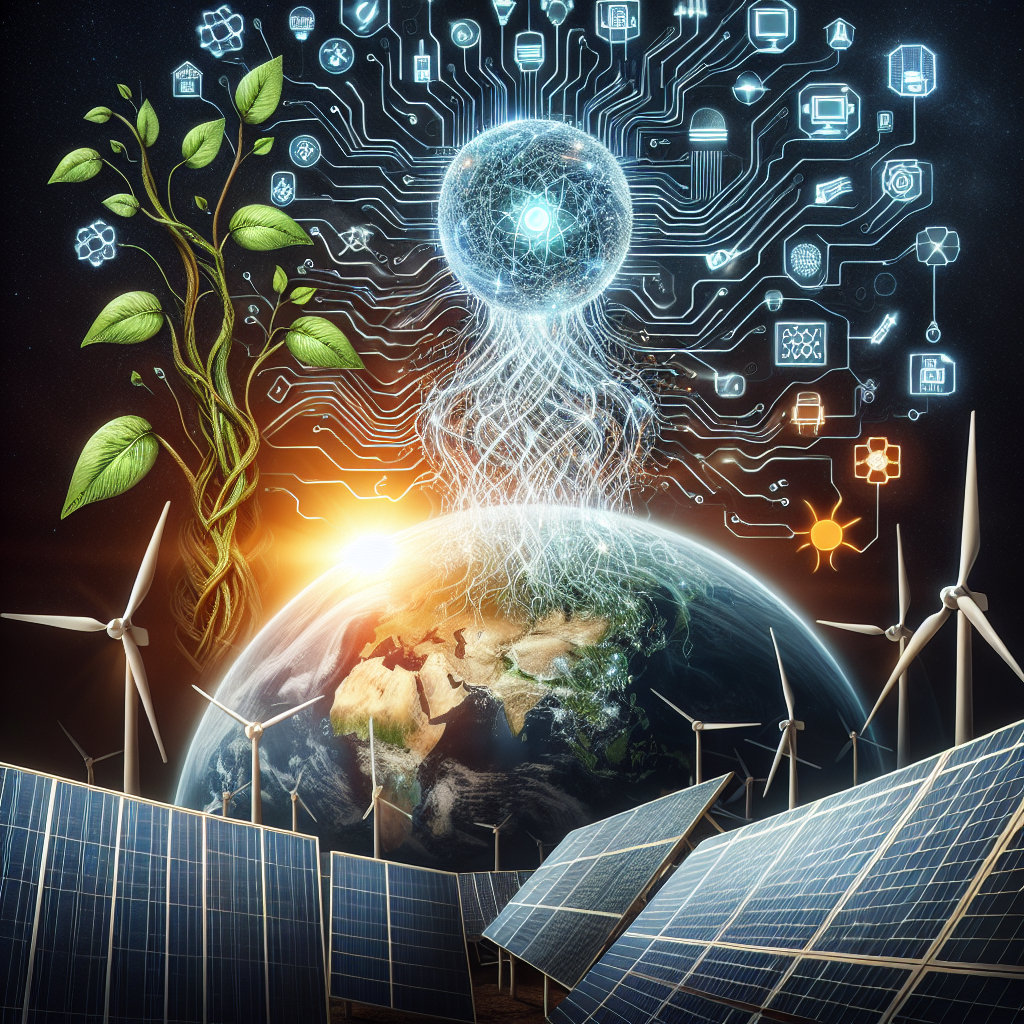
AI-Driven Innovations in Renewable Energy Market Development
Introduction
The renewable energy market has been rapidly expanding in recent years, driven by the need to reduce carbon emissions and combat climate change. One of the key factors driving this growth is the increasing adoption of artificial intelligence (AI) technologies in the renewable energy sector. AI-driven innovations are revolutionizing the way renewable energy is produced, distributed, and consumed, leading to more efficient and sustainable energy solutions.
AI technologies are being used in various aspects of the renewable energy market, including energy production, grid management, and energy storage. These technologies are enabling renewable energy companies to optimize their operations, reduce costs, and improve the reliability of their energy systems. In this article, we will explore some of the key AI-driven innovations in the renewable energy market and their impact on the industry.
AI-Driven Innovations in Renewable Energy Market
1. Predictive Maintenance
One of the key applications of AI in the renewable energy market is predictive maintenance. AI algorithms can analyze vast amounts of data from sensors and other sources to predict when equipment is likely to fail, allowing companies to proactively address maintenance issues before they occur. This can help reduce downtime, extend the lifespan of equipment, and improve overall system reliability.
By using AI-driven predictive maintenance, renewable energy companies can optimize their maintenance schedules, reduce costs, and improve the efficiency of their operations. This technology is particularly valuable for wind and solar farms, where equipment maintenance can be challenging and costly.
2. Energy Forecasting
AI technologies are also being used to improve energy forecasting in the renewable energy market. By analyzing historical data, weather patterns, and other factors, AI algorithms can accurately predict how much energy will be generated by wind turbines, solar panels, and other renewable energy sources. This information can help grid operators better manage energy supply and demand, reduce the need for expensive backup power sources, and improve overall grid stability.
Energy forecasting is crucial for integrating renewable energy sources into the grid, as these sources can be unpredictable and variable. By using AI-driven energy forecasting, renewable energy companies can optimize their energy production, reduce costs, and ensure a reliable energy supply for their customers.
3. Grid Management
AI technologies are also being used to improve grid management in the renewable energy market. By analyzing real-time data from sensors, smart meters, and other sources, AI algorithms can help grid operators optimize energy distribution, reduce congestion, and improve grid reliability. This can help increase the penetration of renewable energy sources into the grid, reduce the need for expensive grid upgrades, and improve overall energy efficiency.
Grid management is a critical aspect of the renewable energy market, as the integration of renewable energy sources can pose challenges for grid operators. By using AI-driven grid management systems, renewable energy companies can overcome these challenges and ensure a smooth transition to a more sustainable energy system.
4. Energy Storage
AI technologies are also being used to optimize energy storage in the renewable energy market. By analyzing data on energy consumption patterns, weather conditions, and other factors, AI algorithms can help companies better manage their energy storage systems, improve efficiency, and reduce costs. This can help increase the adoption of energy storage technologies, such as batteries and pumped hydro storage, and enable renewable energy companies to store excess energy for use during periods of high demand.
Energy storage is essential for the renewable energy market, as it can help overcome the intermittent nature of renewable energy sources and ensure a reliable energy supply for customers. By using AI-driven energy storage solutions, renewable energy companies can maximize the value of their energy storage systems and improve the overall efficiency of their operations.
FAQs
Q: How is AI being used in the renewable energy market?
A: AI is being used in various ways in the renewable energy market, including predictive maintenance, energy forecasting, grid management, and energy storage. These AI-driven innovations are helping renewable energy companies optimize their operations, reduce costs, and improve the reliability of their energy systems.
Q: What are some benefits of using AI in the renewable energy market?
A: Some benefits of using AI in the renewable energy market include improved system reliability, reduced maintenance costs, increased energy efficiency, and better grid management. AI technologies are helping renewable energy companies overcome the challenges of integrating renewable energy sources into the grid and ensure a more sustainable energy system.
Q: How can AI help increase the penetration of renewable energy sources into the grid?
A: AI technologies can help increase the penetration of renewable energy sources into the grid by optimizing energy production, improving energy forecasting, and enhancing grid management. By using AI-driven solutions, renewable energy companies can overcome the challenges of integrating renewable energy sources into the grid and ensure a reliable energy supply for customers.
Conclusion
AI-driven innovations are revolutionizing the renewable energy market, enabling companies to optimize their operations, reduce costs, and improve the reliability of their energy systems. By using AI technologies for predictive maintenance, energy forecasting, grid management, and energy storage, renewable energy companies can overcome the challenges of integrating renewable energy sources into the grid and ensure a more sustainable energy system for the future. As AI continues to advance, we can expect to see even more exciting developments in the renewable energy market, leading to a cleaner, more efficient, and more sustainable energy system for all.