
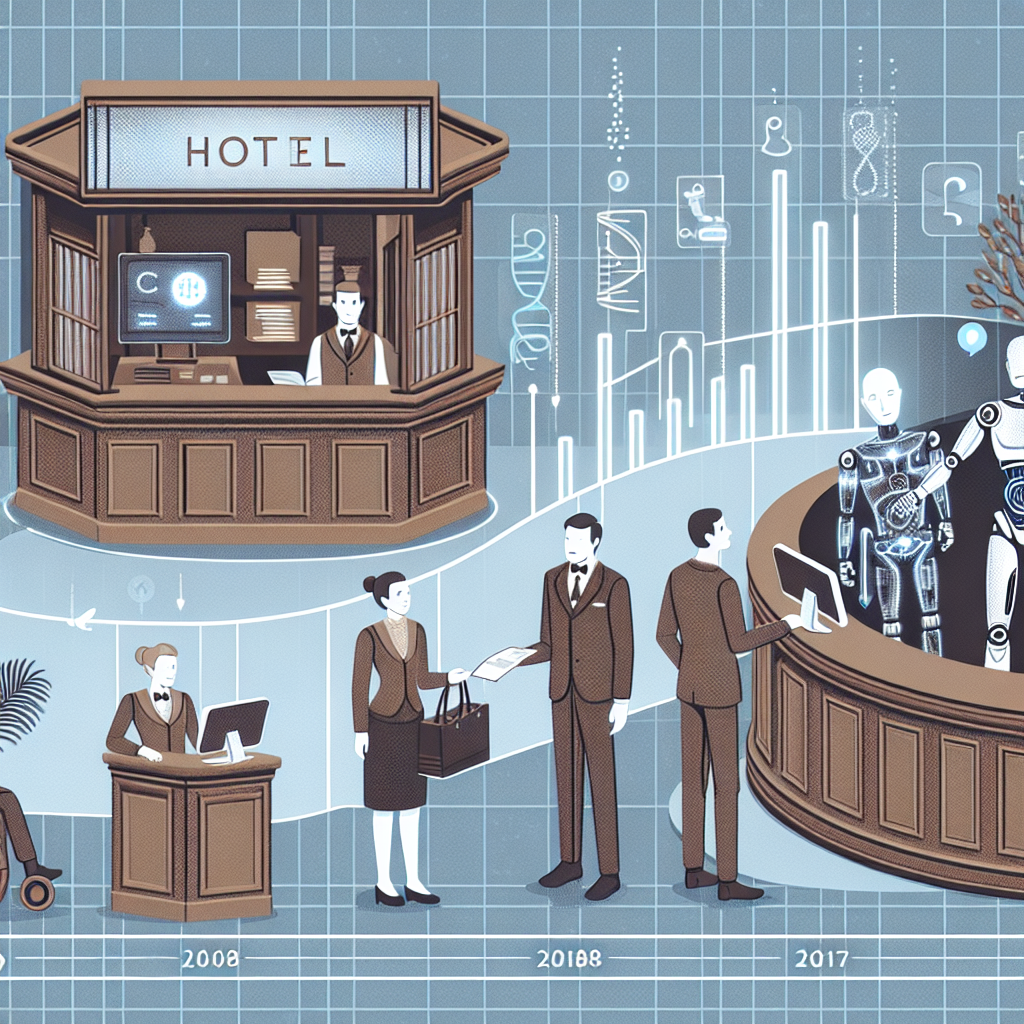
The Evolution of AI-powered Concierge Services in Hospitality
In the fast-paced world of hospitality, providing exceptional customer service is key to success. As technology continues to advance, hotels and resorts are turning to AI-powered concierge services to enhance the guest experience. These virtual assistants are revolutionizing the way guests interact with their accommodations, offering personalized recommendations, seamless communication, and round-the-clock support.
The concept of a concierge service is not new to the hospitality industry. Traditionally, a concierge would assist guests with restaurant reservations, transportation arrangements, and local recommendations. However, with the rise of AI technology, these services have evolved to become more efficient and personalized than ever before.
AI-powered concierge services use machine learning algorithms to analyze guest preferences and behavior, allowing them to provide tailored recommendations and assistance. These virtual assistants can answer common guest questions, make reservations, and even suggest personalized activities based on a guest’s interests.
One of the key benefits of AI-powered concierge services is their ability to provide instant, 24/7 support to guests. Whether a guest needs a restaurant recommendation at midnight or assistance with booking a last-minute activity, these virtual assistants are always available to help. This level of accessibility and responsiveness is a game-changer for hotels looking to provide exceptional customer service.
Another advantage of AI-powered concierge services is their ability to collect and analyze data on guest preferences and behavior. By tracking interactions with guests, these virtual assistants can learn from each interaction and provide even more personalized recommendations in the future. This data-driven approach allows hotels to better understand their guests and tailor their services to meet their needs.
Furthermore, AI-powered concierge services can help hotels streamline their operations and reduce costs. By automating routine tasks, such as answering common guest questions or making reservations, these virtual assistants free up staff to focus on more complex and high-touch guest interactions. This not only improves efficiency but also allows hotels to provide a higher level of service to their guests.
As AI technology continues to advance, the capabilities of AI-powered concierge services will only continue to grow. In the future, we can expect to see even more personalized and intelligent virtual assistants that can anticipate guest needs and provide proactive recommendations. These advancements will further enhance the guest experience and help hotels differentiate themselves in a competitive market.
FAQs
Q: How secure are AI-powered concierge services in handling guest information?
A: AI-powered concierge services prioritize data security and privacy, utilizing encryption and other security measures to protect guest information. Hotels should work with reputable providers and ensure compliance with data protection regulations to safeguard guest data.
Q: Can AI-powered concierge services replace human concierge staff?
A: While AI-powered concierge services can handle routine tasks and provide instant support, human concierge staff play a valuable role in providing personalized and high-touch service to guests. The ideal approach is to leverage both AI technology and human expertise to deliver the best guest experience.
Q: How can hotels ensure that AI-powered concierge services are user-friendly for guests?
A: To ensure that AI-powered concierge services are user-friendly, hotels should invest in intuitive and interactive interfaces that are easy for guests to navigate. Providing training and support for guests using the virtual assistant can also help enhance the user experience.
Q: Are AI-powered concierge services cost-effective for hotels?
A: While there is an initial investment required to implement AI-powered concierge services, the long-term benefits in terms of efficiency, guest satisfaction, and cost savings can make them a cost-effective solution for hotels. By automating routine tasks and streamlining operations, hotels can improve their bottom line while enhancing the guest experience.