
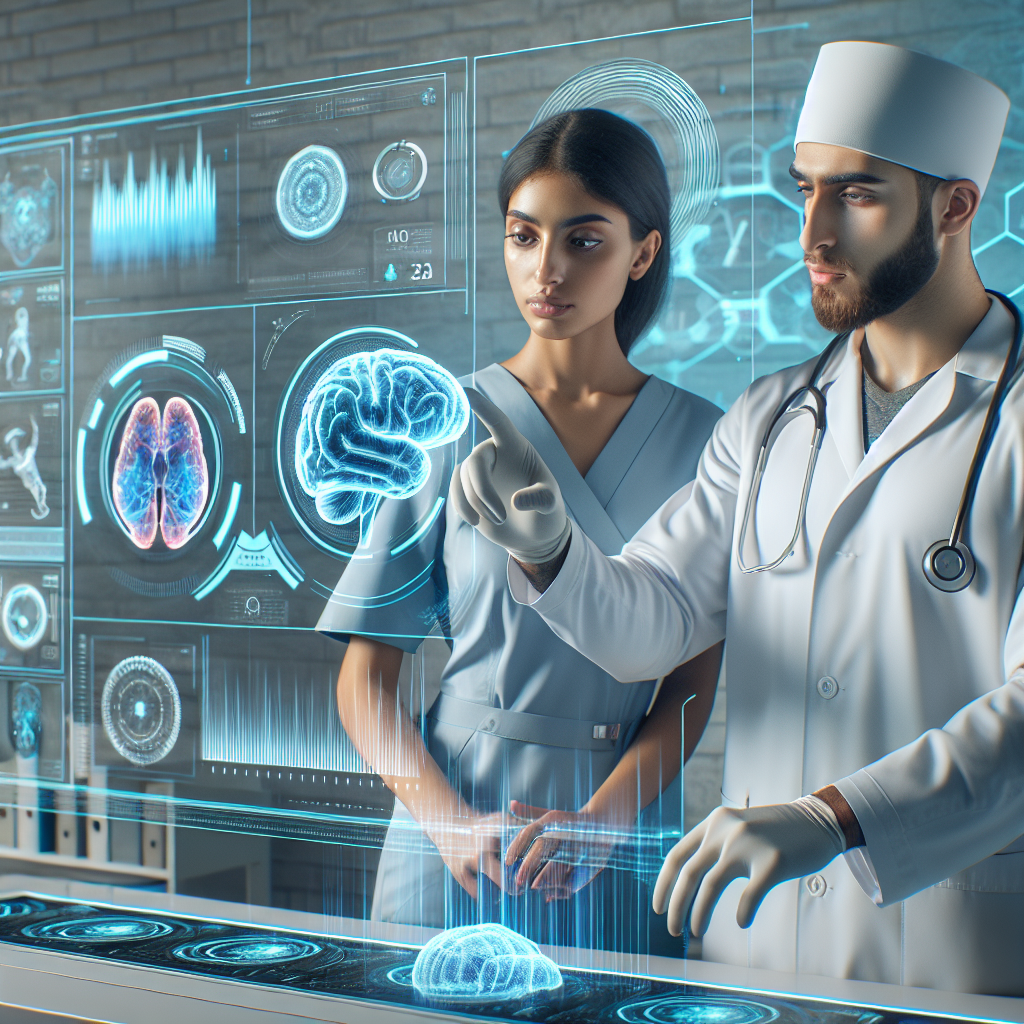
Artificial intelligence (AI) has been revolutionizing the healthcare industry in recent years, particularly in the field of diagnostics. AI software is being utilized to improve the accuracy and efficiency of diagnosing various medical conditions, ultimately leading to better patient outcomes. From analyzing medical images to predicting disease progression, AI is playing a crucial role in transforming healthcare diagnostics.
One of the key advantages of AI software in healthcare diagnostics is its ability to process vast amounts of data quickly and accurately. This can be particularly useful in tasks such as medical imaging analysis, where AI algorithms can detect abnormalities in images with a high degree of accuracy. For example, AI software can be trained to analyze X-rays, MRIs, and CT scans to identify signs of diseases such as cancer, heart disease, and neurological conditions. By automating this process, AI can help healthcare providers make faster and more accurate diagnoses, leading to earlier treatment and improved patient outcomes.
Another area where AI software is making a significant impact is in predicting disease progression and outcomes. By analyzing patient data such as medical history, test results, and lifestyle factors, AI algorithms can help healthcare providers predict the likelihood of a patient developing certain conditions or experiencing complications. This information can be invaluable in developing personalized treatment plans and interventions to improve patient outcomes. For example, AI software can help predict the risk of heart attack or stroke in patients with cardiovascular disease, allowing healthcare providers to implement preventive measures to reduce the risk.
AI software is also being used to improve the efficiency of healthcare diagnostics by streamlining administrative tasks and reducing the burden on healthcare providers. For example, AI-powered chatbots can be used to triage patients, answer common medical questions, and schedule appointments, freeing up healthcare providers to focus on more complex tasks. Additionally, AI algorithms can help healthcare organizations optimize resource allocation, predict patient flow, and identify areas for improvement to enhance the overall quality of care.
Furthermore, AI software is playing a crucial role in drug discovery and development, with the potential to revolutionize the way new treatments are developed and brought to market. By analyzing vast amounts of data from clinical trials, genetic studies, and real-world patient data, AI algorithms can identify potential drug targets, predict how drugs will interact with the body, and optimize dosing regimens. This can significantly speed up the drug development process, reduce costs, and improve the chances of success in bringing new treatments to market.
Despite the many benefits of AI software in healthcare diagnostics, there are also challenges and concerns that need to be addressed. One of the main challenges is ensuring the accuracy and reliability of AI algorithms, as errors or biases in the data used to train the algorithms can lead to incorrect diagnoses or treatment recommendations. Additionally, there are concerns about data privacy and security, as AI software relies on vast amounts of patient data to function effectively. Healthcare organizations must ensure that patient data is protected and used responsibly to maintain patient trust and comply with regulations such as HIPAA.
In conclusion, AI software is revolutionizing healthcare diagnostics by improving the accuracy, efficiency, and effectiveness of diagnosing medical conditions. From analyzing medical images to predicting disease progression, AI is helping healthcare providers make faster and more accurate diagnoses, leading to better patient outcomes. By leveraging the power of AI, healthcare organizations can optimize resource allocation, streamline administrative tasks, and revolutionize drug discovery and development. While there are challenges and concerns that need to be addressed, the potential of AI in healthcare diagnostics is vast, and its impact on patient care is likely to continue to grow in the years to come.
FAQs:
1. How is AI software used in healthcare diagnostics?
AI software is used in healthcare diagnostics to analyze medical images, predict disease progression, streamline administrative tasks, and optimize resource allocation. By leveraging the power of AI algorithms, healthcare providers can make faster and more accurate diagnoses, leading to better patient outcomes.
2. What are the benefits of using AI software in healthcare diagnostics?
Some of the benefits of using AI software in healthcare diagnostics include improved accuracy, efficiency, and effectiveness of diagnosing medical conditions, faster treatment decisions, personalized treatment plans, and optimized resource allocation.
3. What are the challenges of using AI software in healthcare diagnostics?
Some of the challenges of using AI software in healthcare diagnostics include ensuring the accuracy and reliability of AI algorithms, addressing biases in the data used to train the algorithms, and maintaining data privacy and security.
4. How can healthcare organizations ensure the accuracy and reliability of AI algorithms?
Healthcare organizations can ensure the accuracy and reliability of AI algorithms by using high-quality data to train the algorithms, validating the algorithms against clinical standards, and continually monitoring and updating the algorithms to improve their performance.
5. How can patients benefit from AI software in healthcare diagnostics?
Patients can benefit from AI software in healthcare diagnostics by receiving faster and more accurate diagnoses, personalized treatment plans, and improved healthcare outcomes. AI software can help healthcare providers identify potential health risks, predict disease progression, and optimize treatment options to improve patient care.