
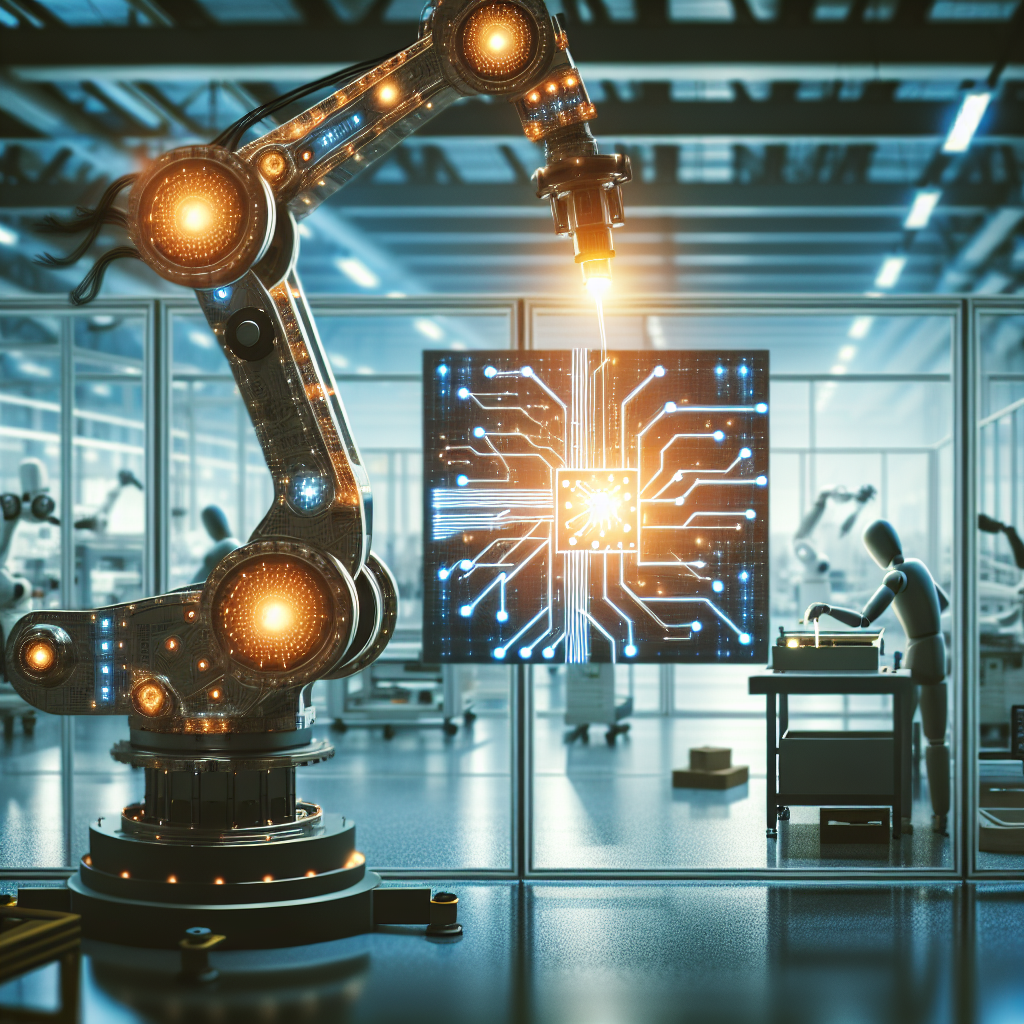
Artificial intelligence (AI) development in robotics has revolutionized the way we approach automation and manufacturing. With the integration of AI technologies, robots are becoming smarter, more adaptive, and more efficient in performing a wide range of tasks in various industries. From assembly line production to complex surgical procedures, AI-powered robots are changing the way we work and live.
Advancements in AI development have enabled robots to learn from their surroundings, make decisions based on real-time data, and adapt to changing environments. This has significantly increased their capabilities and allowed them to perform tasks that were previously thought to be too complex or too dangerous for robots to handle. As a result, AI-powered robots are now being used in a wide range of applications, including manufacturing, healthcare, transportation, and even household chores.
One of the key areas where AI development in robotics has had a significant impact is in manufacturing. Automation in manufacturing has been a long-standing goal for many industries, as it offers the potential to increase efficiency, reduce costs, and improve quality control. With the advancements in AI technologies, robots are now able to perform a wide range of tasks in manufacturing facilities, from assembly line production to quality control inspections.
AI-powered robots are equipped with advanced sensors and machine learning algorithms that allow them to learn from their surroundings and make decisions in real-time. This enables them to perform complex tasks with a high degree of accuracy and precision, leading to increased productivity and efficiency in manufacturing processes. In addition, AI-powered robots can work alongside human workers, assisting them in tasks that require precision and speed, while also reducing the risk of human error.
Another area where AI development in robotics is making a significant impact is in healthcare. Robots are now being used in hospitals and medical facilities to assist with a wide range of tasks, from surgery to patient care. AI-powered robots are equipped with advanced imaging and sensing technologies that allow them to perform minimally invasive surgeries with a high degree of accuracy and precision. This has led to faster recovery times for patients, reduced risks of complications, and improved outcomes overall.
In addition to surgical procedures, AI-powered robots are also being used in patient care and rehabilitation. These robots can assist patients with mobility issues, provide emotional support, and even remind them to take their medications. This has the potential to improve the quality of life for patients and reduce the burden on healthcare workers.
AI development in robotics is also being used in transportation, with self-driving cars and trucks becoming a reality in many cities around the world. These autonomous vehicles are equipped with AI technologies that allow them to navigate through traffic, avoid obstacles, and make decisions in real-time. This has the potential to reduce traffic congestion, improve road safety, and increase the efficiency of transportation systems.
In the field of household robotics, AI development has led to the creation of smart home devices that can assist with everyday tasks such as cleaning, cooking, and home security. These devices are equipped with AI-powered sensors and algorithms that allow them to learn from their surroundings and adapt to the needs of the user. This has the potential to improve the quality of life for individuals and families, by reducing the time and effort required to perform household chores.
Despite the many benefits of AI development in robotics, there are also challenges and concerns that need to be addressed. One of the main concerns is the potential impact on jobs, as AI-powered robots are increasingly being used to replace human workers in various industries. While automation can lead to increased efficiency and productivity, it can also result in job losses and economic disruptions. It is important for policymakers and industry leaders to address these challenges and ensure that the benefits of AI development are shared equitably among all stakeholders.
In conclusion, AI development in robotics is revolutionizing the way we approach automation and manufacturing. With the integration of AI technologies, robots are becoming smarter, more adaptive, and more efficient in performing a wide range of tasks in various industries. From manufacturing to healthcare to transportation, AI-powered robots are changing the way we work and live, with the potential to improve efficiency, reduce costs, and enhance quality of life. It is important for policymakers, industry leaders, and researchers to work together to address the challenges and opportunities presented by AI development in robotics, in order to ensure a sustainable and equitable future for all.
FAQs:
Q: What is AI development in robotics?
A: AI development in robotics involves the integration of artificial intelligence technologies, such as machine learning and computer vision, into robotic systems. This allows robots to learn from their surroundings, make decisions based on real-time data, and adapt to changing environments.
Q: How is AI development in robotics being used in manufacturing?
A: AI development in robotics is being used in manufacturing to automate tasks such as assembly line production, quality control inspections, and material handling. This has led to increased efficiency, reduced costs, and improved quality control in manufacturing processes.
Q: What are the benefits of AI development in robotics?
A: The benefits of AI development in robotics include increased efficiency, reduced costs, improved quality control, and enhanced safety in various industries. AI-powered robots are able to perform tasks that were previously thought to be too complex or too dangerous for robots to handle.
Q: What are the challenges of AI development in robotics?
A: Some of the challenges of AI development in robotics include concerns about job displacement, ethical considerations, and potential safety risks. It is important for policymakers, industry leaders, and researchers to address these challenges and ensure that the benefits of AI development are shared equitably among all stakeholders.