
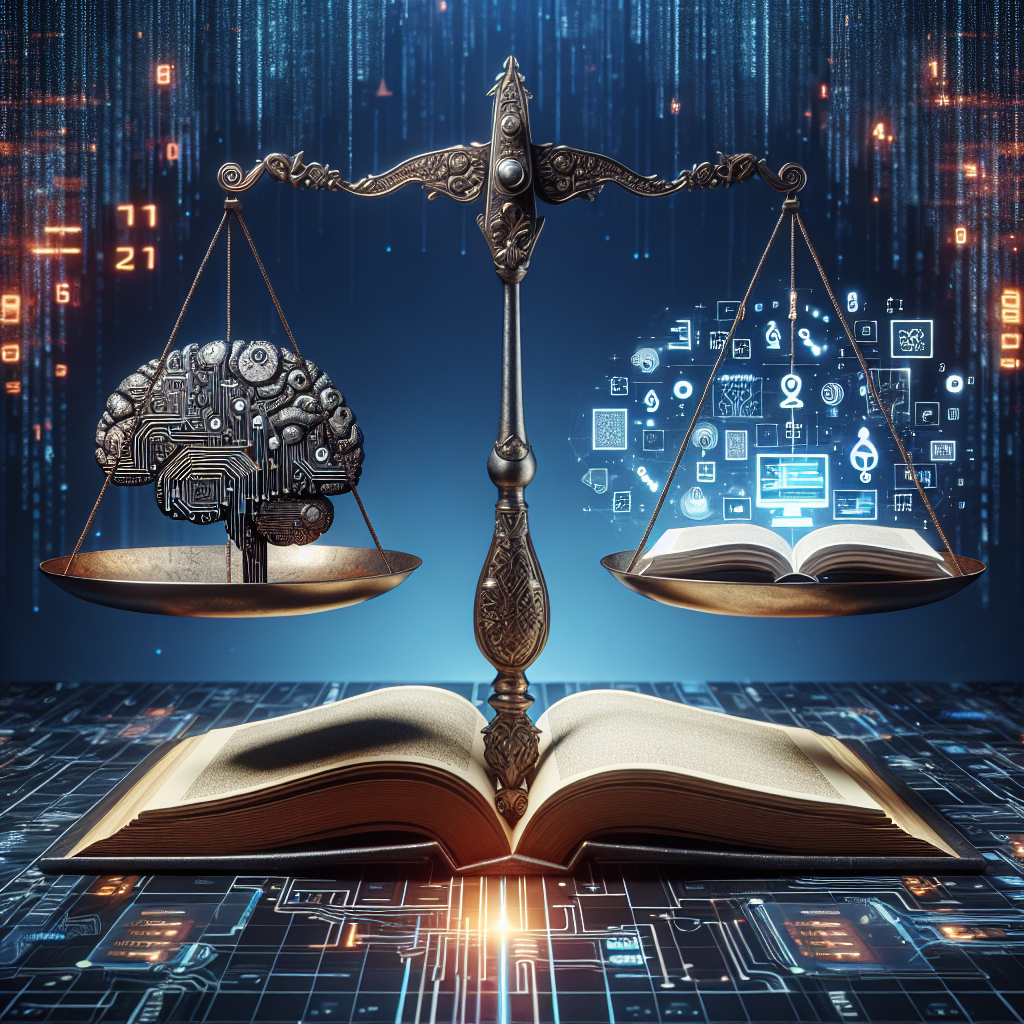
Artificial Intelligence (AI) and Machine Learning (ML) are two of the most exciting and rapidly evolving technologies in the world today. Both AI and ML have the potential to revolutionize industries, improve efficiency, and enhance decision-making processes. However, when it comes to predicting outcomes, which technology is more predictable? In this article, we will explore the differences between AI and ML, their predictability, and how they are being used in various applications.
AI vs ML: What’s the Difference?
Artificial Intelligence (AI) is a broad field of computer science that focuses on creating machines that can perform tasks that typically require human intelligence. AI systems can be designed to think, reason, learn, and make decisions on their own. AI encompasses a wide range of technologies, including natural language processing, robotics, computer vision, and expert systems.
Machine Learning (ML), on the other hand, is a subset of AI that focuses on developing algorithms that can learn from data and make predictions or decisions without being explicitly programmed. ML algorithms use statistical techniques to identify patterns in data and make predictions or decisions based on those patterns. ML is often used in applications such as recommendation systems, fraud detection, and predictive maintenance.
Predictability of AI vs ML
When it comes to predictability, Machine Learning is generally considered to be more predictable than Artificial Intelligence. This is because ML algorithms are designed to learn from data and make predictions based on patterns in that data. As long as the input data is consistent and accurate, ML algorithms can make reliable predictions.
AI, on the other hand, is more complex and less predictable. AI systems are designed to think and reason like humans, which means they can be influenced by a wide range of factors, including emotions, biases, and external influences. As a result, AI systems can sometimes make unexpected or irrational decisions.
However, it’s important to note that both AI and ML are probabilistic technologies, which means that they can never guarantee 100% accuracy in their predictions. There is always a margin of error or uncertainty in the predictions made by AI and ML systems. The key is to minimize this margin of error through rigorous testing, validation, and monitoring of the systems.
Applications of AI and ML
AI and ML are being used in a wide range of applications across various industries. Some common applications of AI include virtual assistants, chatbots, autonomous vehicles, and facial recognition systems. These AI systems are designed to perform specific tasks or functions based on predefined rules or algorithms.
ML, on the other hand, is being used in applications such as recommendation systems, predictive analytics, fraud detection, and natural language processing. ML algorithms can analyze large amounts of data to identify patterns, trends, and anomalies that can be used to make predictions or decisions.
In terms of predictability, ML algorithms are often more predictable than AI systems because they are based on statistical techniques and can make predictions based on patterns in data. However, the predictability of both AI and ML systems ultimately depends on the quality of the data, the complexity of the algorithms, and the specific application.
FAQs
Q: Can AI systems make decisions on their own?
A: Yes, AI systems are designed to think, reason, and make decisions on their own based on predefined rules or algorithms. However, AI systems can also be influenced by external factors, biases, and errors in the data.
Q: How do ML algorithms learn from data?
A: ML algorithms learn from data by identifying patterns, trends, and anomalies in the data and using those patterns to make predictions or decisions. ML algorithms can be trained on labeled data to improve their accuracy and performance.
Q: Are AI and ML technologies interchangeable?
A: While AI and ML are closely related technologies, they are not interchangeable. AI is a broader field that encompasses a wide range of technologies, including ML. ML is a subset of AI that focuses on developing algorithms that can learn from data and make predictions or decisions.
Q: How can I improve the predictability of AI and ML systems?
A: To improve the predictability of AI and ML systems, it’s important to ensure the quality and accuracy of the data, validate the algorithms, and monitor the performance of the systems regularly. Additionally, incorporating human oversight and feedback can help minimize errors and biases in the predictions made by AI and ML systems.
In conclusion, both AI and ML technologies have the potential to revolutionize industries and improve efficiency. While ML algorithms are generally more predictable than AI systems, both technologies are probabilistic and can never guarantee 100% accuracy in their predictions. The key is to minimize errors and uncertainties through rigorous testing, validation, and monitoring of the systems. By understanding the differences between AI and ML and leveraging their strengths, organizations can harness the power of these technologies to drive innovation and achieve their business goals.