
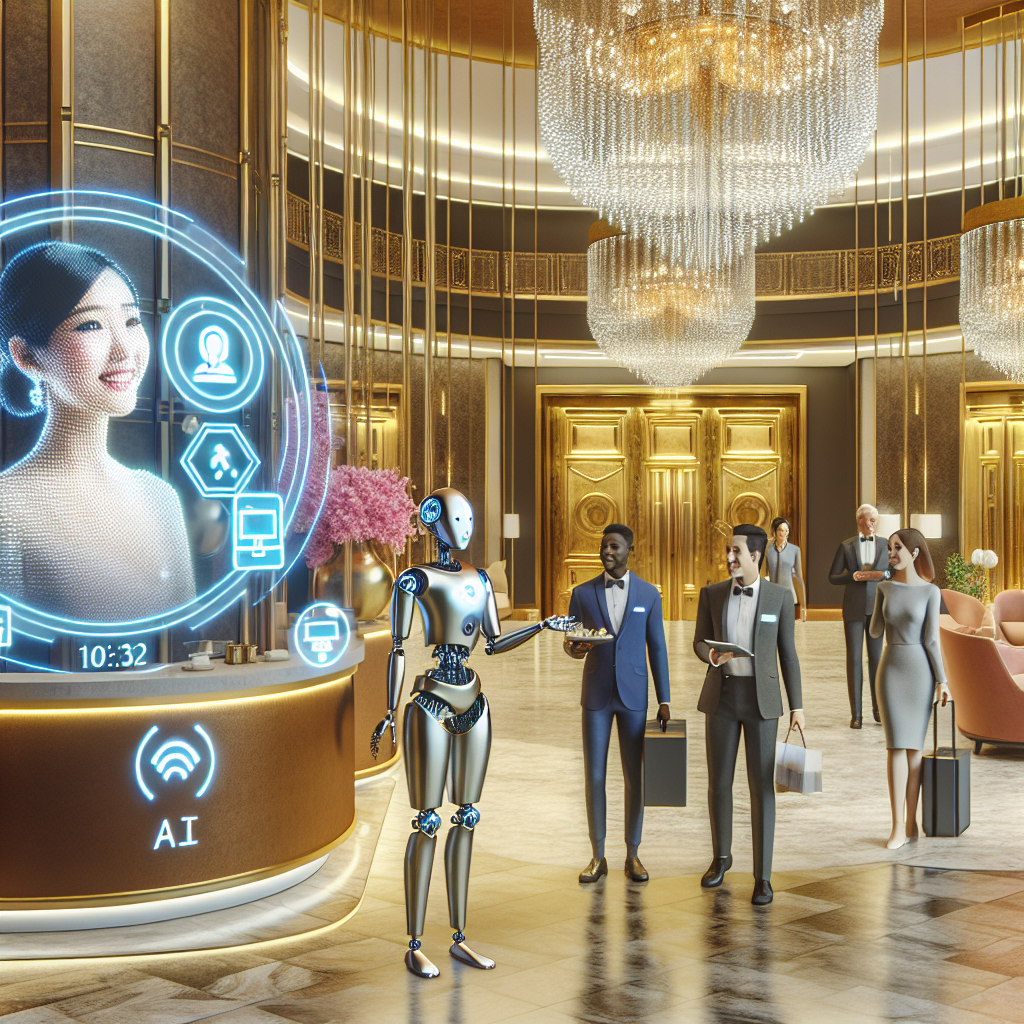
Artificial Intelligence (AI) has been revolutionizing various industries, and the hotel industry is no exception. With the rise of technology and data analytics, hotels are now able to create personalized guest experiences like never before. By leveraging AI, hotels can gather data on guest preferences, behaviors, and feedback to tailor their services and offerings to individual guests. This not only enhances the guest experience but also helps hotels improve operational efficiency and increase revenue.
One of the key ways AI is being used to create personalized guest experiences in hotels is through the use of chatbots. Chatbots are AI-powered virtual assistants that can interact with guests in real-time, providing them with information, recommendations, and assistance during their stay. Chatbots can handle a wide range of inquiries, from room service orders to local recommendations, allowing guests to have a seamless and personalized experience without the need to speak to a human staff member.
AI-powered chatbots can also be used to gather feedback from guests during their stay. By analyzing guest responses, hotels can gain valuable insights into guest preferences, complaints, and suggestions for improvement. This data can then be used to make real-time adjustments to services and offerings, ensuring that guests have a positive experience throughout their stay.
Another way AI is being used to personalize guest experiences is through the use of predictive analytics. By analyzing historical data on guest preferences, behaviors, and booking patterns, hotels can predict future trends and tailor their offerings to meet the needs of individual guests. For example, a hotel could use predictive analytics to anticipate a guest’s favorite room type, dining preferences, and activities, allowing them to personalize the guest’s experience from the moment they check-in.
In addition to chatbots and predictive analytics, AI is also being used to personalize marketing and promotions for guests. By analyzing guest data and behavior, hotels can create targeted marketing campaigns that are tailored to individual preferences and interests. For example, a hotel could send personalized offers and promotions to guests based on their past bookings, dining preferences, and activities, increasing the likelihood of repeat bookings and enhancing the guest experience.
Overall, AI is transforming the way hotels interact with guests and personalize their experiences. By leveraging AI technologies such as chatbots, predictive analytics, and personalized marketing, hotels can create a more seamless and customized experience for guests, leading to increased guest satisfaction, loyalty, and revenue.
FAQs:
Q: How does AI-powered chatbots work in hotels?
A: AI-powered chatbots in hotels work by analyzing guest inquiries and responding in real-time with relevant information, recommendations, and assistance. Chatbots can handle a wide range of inquiries, from room service orders to local recommendations, providing guests with a seamless and personalized experience.
Q: How can hotels use predictive analytics to personalize guest experiences?
A: Hotels can use predictive analytics to analyze historical data on guest preferences, behaviors, and booking patterns to predict future trends and tailor their offerings to meet the needs of individual guests. This allows hotels to personalize the guest experience from the moment they check-in, enhancing guest satisfaction and loyalty.
Q: How does AI help hotels personalize marketing and promotions for guests?
A: AI helps hotels personalize marketing and promotions for guests by analyzing guest data and behavior to create targeted marketing campaigns that are tailored to individual preferences and interests. This increases the likelihood of repeat bookings and enhances the guest experience.
Q: What are the benefits of using AI to create personalized guest experiences in hotels?
A: The benefits of using AI to create personalized guest experiences in hotels include increased guest satisfaction, loyalty, and revenue. By leveraging AI technologies such as chatbots, predictive analytics, and personalized marketing, hotels can create a more seamless and customized experience for guests, leading to positive outcomes for both guests and hotels alike.