
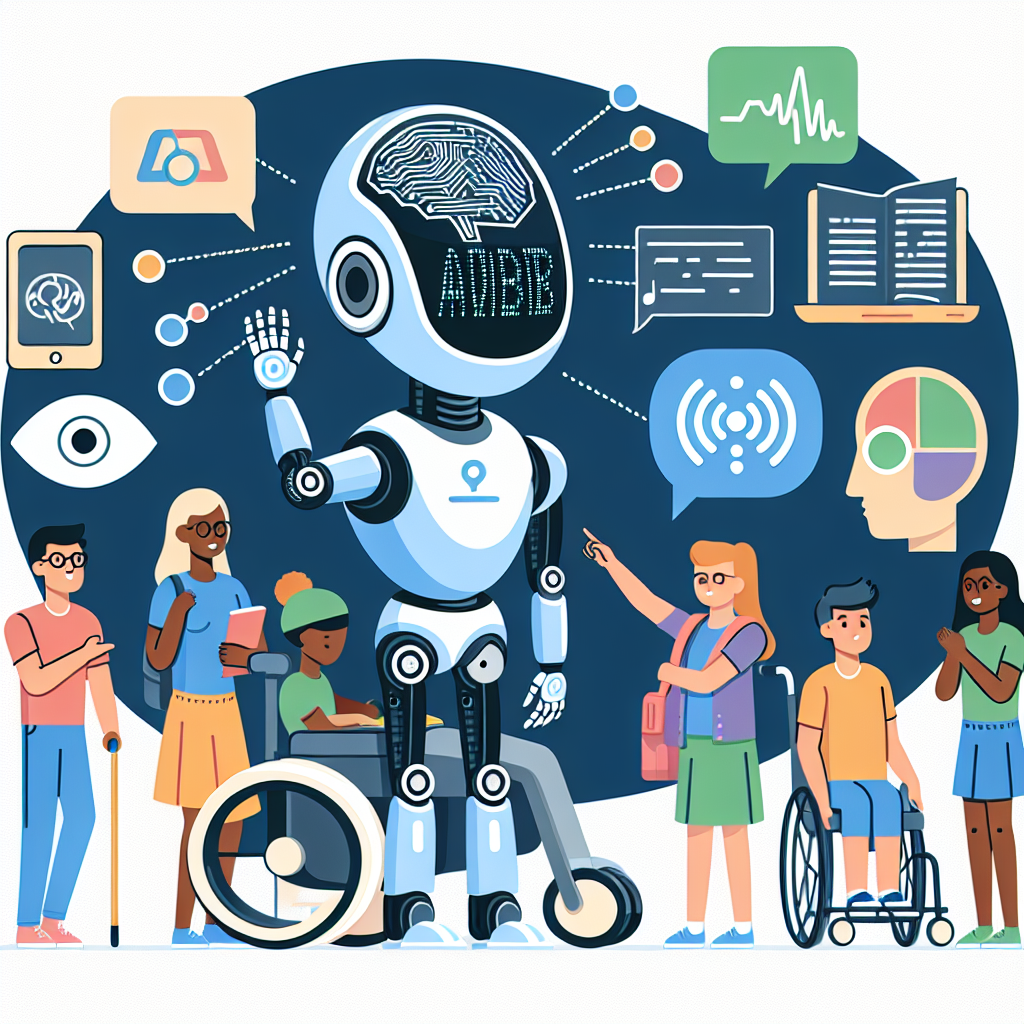
The Role of AI in Supporting Students with Learning Disabilities
Introduction
Artificial Intelligence (AI) has the potential to revolutionize education by providing personalized learning experiences for students with learning disabilities. AI technology can analyze individual learning styles, adapt teaching methods, and provide real-time feedback to support students in their academic journey. In this article, we will explore the ways in which AI can assist students with learning disabilities and address some common questions about this emerging technology.
How AI can Support Students with Learning Disabilities
1. Personalized Learning: AI can analyze data from students’ interactions with educational materials to identify their strengths and weaknesses. This information can be used to create personalized learning plans that cater to each student’s unique needs. For example, AI can recommend specific resources or activities that align with a student’s learning preferences, allowing them to progress at their own pace.
2. Adaptive Learning: AI-powered educational platforms can adjust the difficulty level of tasks based on a student’s performance. This adaptive learning approach ensures that students are challenged but not overwhelmed, leading to greater engagement and improved outcomes. For students with learning disabilities, adaptive learning can provide a supportive environment where they can build confidence and develop their skills at their own pace.
3. Real-time Feedback: AI can provide immediate feedback on students’ work, highlighting areas for improvement and suggesting alternative strategies. This real-time feedback can help students with learning disabilities stay on track and make progress towards their academic goals. By receiving timely guidance and support, students can overcome challenges and build confidence in their abilities.
4. Assistive Technologies: AI-powered tools can assist students with learning disabilities in various ways, such as speech-to-text software for students with dyslexia or visual aids for students with visual impairments. These technologies can help students access educational materials more easily and participate in classroom activities with greater independence. By leveraging AI-driven assistive technologies, students with learning disabilities can overcome barriers to learning and reach their full potential.
Common FAQs about AI in Supporting Students with Learning Disabilities
1. How accurate is AI in identifying students’ learning needs?
AI technology has made significant advancements in analyzing and interpreting data to identify students’ learning needs. By leveraging machine learning algorithms, AI can process large amounts of information and generate insights that are tailored to each student’s unique profile. While AI may not be infallible, it can provide valuable support in identifying areas for improvement and recommending personalized learning strategies for students with learning disabilities.
2. Can AI replace human teachers in supporting students with learning disabilities?
AI is not intended to replace human teachers but to enhance their capabilities in supporting students with learning disabilities. While AI can provide personalized learning experiences and assistive technologies, human teachers play a crucial role in building relationships, providing emotional support, and adapting instruction based on students’ individual needs. By combining the strengths of AI and human teachers, students with learning disabilities can receive comprehensive support that addresses their academic, social, and emotional growth.
3. How can educators integrate AI into their teaching practices to support students with learning disabilities?
Educators can integrate AI into their teaching practices by using AI-powered educational platforms, assistive technologies, and data analytics tools. By leveraging these resources, educators can gain insights into students’ learning preferences, track their progress, and adapt instruction to meet their individual needs. Educators can also collaborate with AI developers to customize AI solutions that cater to the specific requirements of students with learning disabilities. By embracing AI as a tool for personalized learning, educators can create inclusive and supportive environments for all students.
4. What are the potential challenges of using AI to support students with learning disabilities?
While AI offers many benefits in supporting students with learning disabilities, there are also potential challenges that educators and stakeholders should be aware of. One challenge is the need for adequate training and professional development to effectively integrate AI into teaching practices. Educators may require guidance on how to use AI tools, interpret data insights, and adapt instruction based on AI recommendations. Additionally, there may be concerns about data privacy and security when using AI-powered educational platforms, especially when collecting sensitive information about students with learning disabilities. By addressing these challenges proactively, educators can maximize the benefits of AI in supporting students with learning disabilities.
Conclusion
AI has the potential to transform education by providing personalized learning experiences for students with learning disabilities. By leveraging AI technology, educators can create inclusive and supportive environments that cater to the unique needs of each student. From personalized learning plans to adaptive learning platforms, AI offers a range of tools and resources to assist students with learning disabilities in reaching their academic goals. By embracing AI as a complementary tool to human teachers, educators can provide comprehensive support that fosters growth and success for all students.
In conclusion, AI has a valuable role to play in supporting students with learning disabilities and enhancing their educational experiences. By harnessing the power of AI technology, educators can create inclusive and personalized learning environments that empower students to succeed. By addressing common questions and concerns about AI in education, we can ensure that students with learning disabilities have access to the support and resources they need to thrive in their academic journey.