
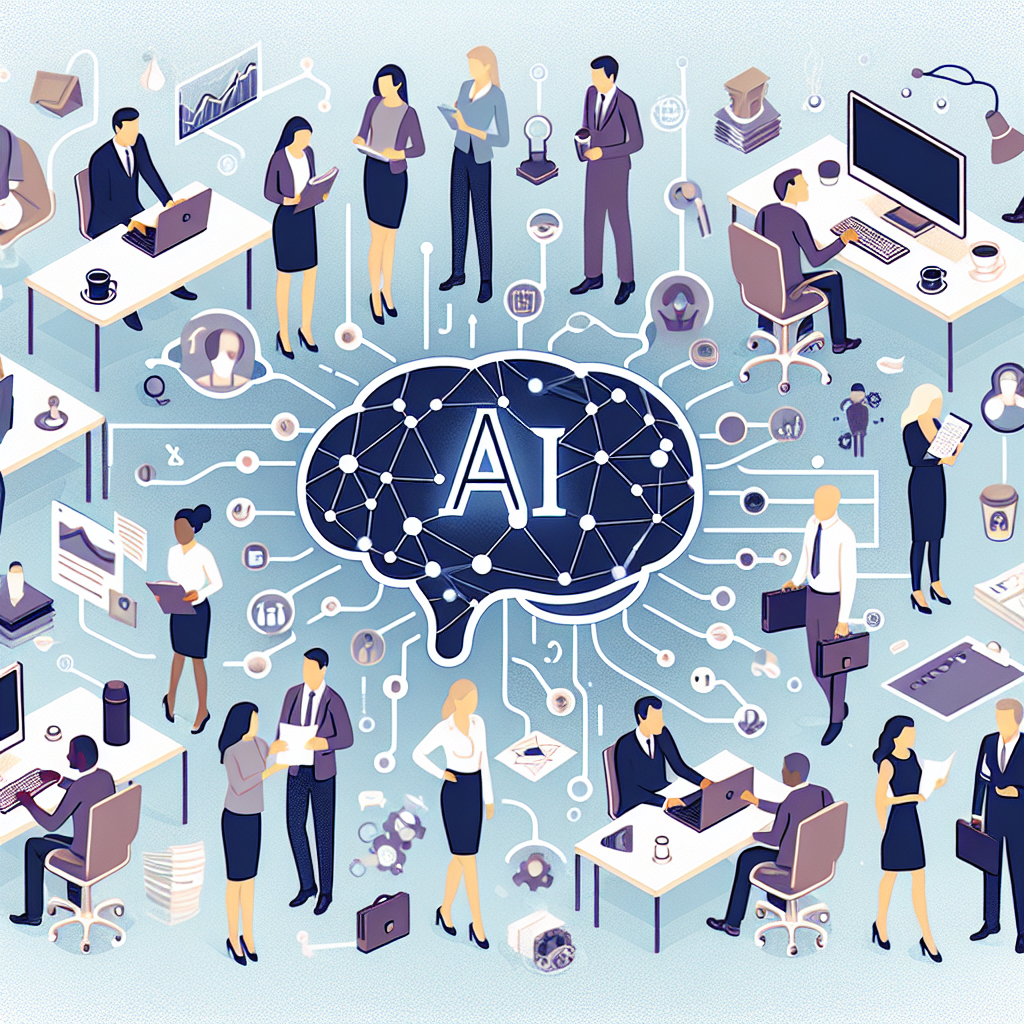
In today’s fast-paced and competitive business environment, maximizing workplace productivity is essential for staying ahead of the curve. One of the most effective ways to boost productivity in the workplace is by leveraging artificial intelligence (AI) tools. AI technology has the potential to streamline processes, automate routine tasks, and enhance the overall efficiency of a team or organization. From chatbots to predictive analytics, AI tools offer a wide range of solutions that can help businesses optimize their operations and achieve better results.
AI tools are revolutionizing the way we work by providing valuable insights, automating repetitive tasks, and improving decision-making processes. By harnessing the power of AI, businesses can enhance their productivity, drive innovation, and stay competitive in today’s digital age. In this article, we will explore how AI tools can be leveraged to improve workplace productivity and achieve better outcomes.
1. Chatbots for Customer Service
One of the most common uses of AI in the workplace is through chatbots. These AI-powered assistants can handle customer inquiries, provide information, and even facilitate transactions. By using chatbots, businesses can improve customer service, reduce response times, and free up human agents to focus on more complex tasks. Chatbots can also be integrated into various platforms such as websites, social media, and messaging apps, making them easily accessible to customers.
2. Predictive Analytics for Decision Making
Another powerful AI tool for workplace productivity is predictive analytics. This technology uses data, algorithms, and machine learning to forecast future trends, outcomes, and behaviors. By analyzing historical data, businesses can make more informed decisions, anticipate market changes, and optimize their strategies. Predictive analytics can be used in various areas such as sales forecasting, inventory management, and risk assessment, helping businesses make smarter decisions and drive better results.
3. Workflow Automation for Efficiency
AI tools can also automate routine tasks and streamline workflows, saving time and improving efficiency. By using automation tools, businesses can eliminate manual processes, reduce errors, and increase productivity. For example, AI-powered software can automatically schedule meetings, generate reports, and manage workflows, allowing employees to focus on more strategic tasks. Workflow automation can help businesses optimize their operations, improve collaboration, and achieve better outcomes.
4. Personalized Recommendations for Employees
AI tools can also provide personalized recommendations to employees, helping them stay organized, focused, and productive. For example, AI-powered tools can suggest relevant articles, resources, or training materials based on an employee’s interests, skills, and goals. By offering personalized recommendations, businesses can boost employee engagement, foster continuous learning, and enhance performance. Personalized recommendations can help employees stay motivated, informed, and productive in their roles.
5. Virtual Assistants for Time Management
Virtual assistants powered by AI can help employees manage their time more effectively, prioritize tasks, and stay on track. These AI-powered assistants can schedule meetings, set reminders, and provide updates on deadlines, ensuring that employees stay organized and productive. Virtual assistants can also automate routine tasks, such as sending emails or updating calendars, freeing up time for employees to focus on more important projects. By using virtual assistants, employees can improve their time management skills, increase efficiency, and achieve better work-life balance.
FAQs:
1. What are the benefits of using AI tools for workplace productivity?
Using AI tools for workplace productivity can offer several benefits, including improved efficiency, automation of routine tasks, enhanced decision-making processes, and personalized recommendations for employees. AI tools can help businesses streamline workflows, optimize operations, and drive better results.
2. How can businesses implement AI tools in the workplace?
Businesses can implement AI tools in the workplace by first identifying areas where AI technology can be beneficial, such as customer service, decision-making, workflow automation, and time management. They can then research and select the right AI tools that align with their goals and objectives. Finally, businesses can train employees on how to use AI tools effectively and monitor their performance to ensure optimal results.
3. Are AI tools secure for use in the workplace?
AI tools are designed with security features to protect sensitive data and ensure privacy. Businesses can choose reputable AI vendors that adhere to industry standards and regulations to ensure the security of their data. By implementing proper security measures, businesses can safely leverage AI tools for workplace productivity.
4. How can AI tools improve employee engagement?
AI tools can improve employee engagement by providing personalized recommendations, facilitating communication, and automating routine tasks. By offering relevant resources, training materials, and feedback, AI tools can help employees stay motivated, informed, and productive in their roles. Additionally, AI tools can foster collaboration, innovation, and continuous learning, leading to higher levels of employee engagement.
In conclusion, AI tools have the potential to transform the way we work by enhancing productivity, efficiency, and decision-making processes. By leveraging AI technology, businesses can optimize their operations, drive innovation, and stay competitive in today’s digital age. From chatbots to predictive analytics, AI tools offer a wide range of solutions that can help businesses achieve better outcomes and improve workplace productivity. By implementing AI tools effectively, businesses can empower their employees, streamline workflows, and achieve success in today’s rapidly changing business environment.