
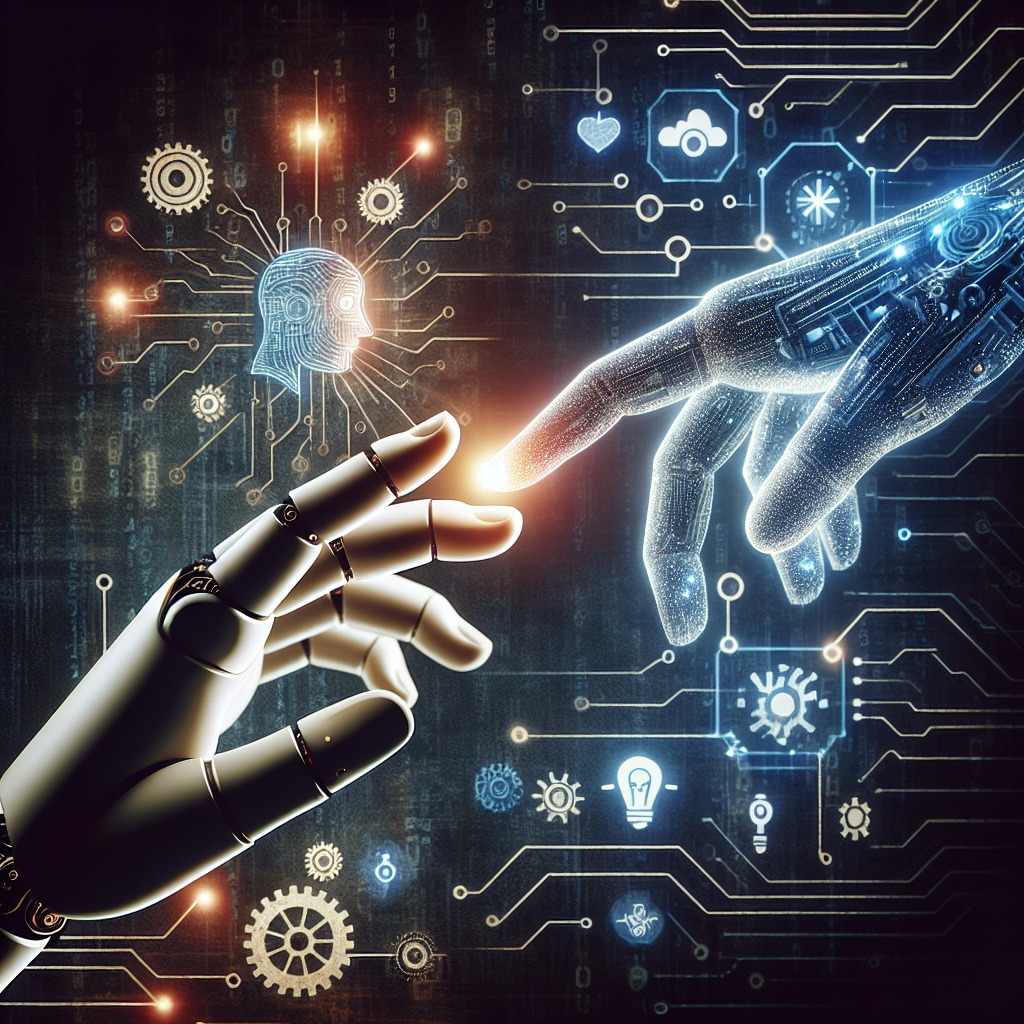
In today’s rapidly evolving digital age, the ability to adapt to change is more important than ever. With the rise of artificial intelligence (AI) and other advanced technologies, the way we work, create, and interact is constantly shifting. To thrive in this dynamic environment, individuals and organizations must cultivate creative resilience – the capacity to navigate uncertainty, embrace novelty, and harness innovation to overcome challenges.
AI is playing an increasingly central role in shaping our world. From self-driving cars to personalized recommendations on streaming platforms, AI is revolutionizing industries across the board. While these advancements bring immense opportunities for growth and efficiency, they also pose unique challenges. As AI continues to automate routine tasks and streamline processes, the need for human creativity and adaptability becomes more pronounced.
Creative resilience is the ability to respond to change with imagination, flexibility, and resourcefulness. It involves cultivating a mindset that embraces uncertainty as an opportunity for growth, rather than a threat to stability. In the face of technological disruption, creative resilience enables individuals and organizations to pivot, innovate, and thrive in a rapidly evolving landscape.
One of the key aspects of creative resilience is the ability to harness AI as a tool for creativity and innovation. While AI is often associated with automation and efficiency, it also has the potential to augment human creativity in unexpected ways. By leveraging AI-driven tools and platforms, individuals can enhance their creative capabilities, generate new ideas, and explore novel solutions to complex problems.
For example, AI-powered design tools can help graphic designers generate new concepts, experiment with different styles, and optimize their workflow. By automating repetitive tasks and providing real-time feedback, these tools enable designers to focus on the creative aspects of their work, such as ideation, experimentation, and storytelling. In this way, AI can serve as a catalyst for creativity, empowering individuals to explore new possibilities and push the boundaries of their imagination.
Moreover, AI can facilitate collaboration and knowledge sharing across diverse disciplines and industries. By analyzing vast amounts of data and identifying patterns and trends, AI can connect individuals with relevant expertise, resources, and opportunities. This cross-pollination of ideas and perspectives can spark innovation, foster creativity, and drive progress in unexpected directions.
However, adapting to change in the digital age requires more than just embracing AI as a creative tool. It also entails developing a growth mindset, cultivating emotional intelligence, and fostering a culture of experimentation and learning. Creative resilience is not just about adapting to change; it’s about thriving in the face of uncertainty, embracing failure as a stepping stone to success, and continuously reinventing oneself in response to evolving challenges.
FAQs:
Q: How can individuals cultivate creative resilience in the digital age?
A: Individuals can cultivate creative resilience by developing a growth mindset, embracing uncertainty as an opportunity for growth, and continuously seeking out new challenges and learning opportunities. By fostering a sense of curiosity, flexibility, and adaptability, individuals can navigate change with confidence and creativity.
Q: How can organizations foster a culture of creative resilience?
A: Organizations can foster a culture of creative resilience by promoting a growth mindset, encouraging experimentation and innovation, and providing employees with the resources and support they need to thrive in a rapidly changing environment. By creating a culture that values creativity, adaptability, and collaboration, organizations can empower their employees to embrace change and drive innovation.
Q: How can AI help individuals and organizations build creative resilience?
A: AI can help individuals and organizations build creative resilience by providing them with tools and platforms that enhance their creative capabilities, streamline their workflow, and facilitate collaboration and knowledge sharing. By leveraging AI-driven solutions, individuals can explore new ideas, experiment with different approaches, and connect with a diverse range of experts and resources, enabling them to adapt to change and thrive in the digital age.