
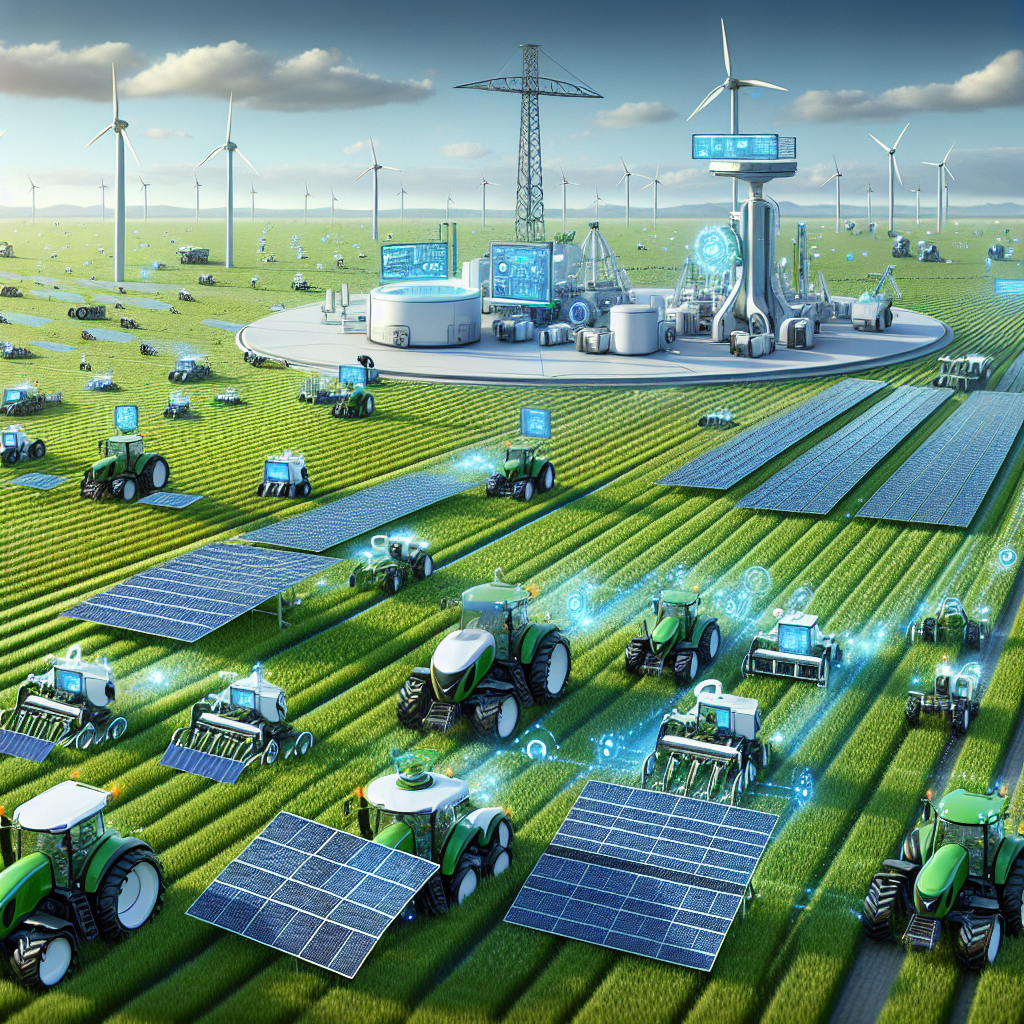
The Future of Agriculture: AI-driven Smart Farming
Introduction
Agriculture has come a long way since the days of manual labor and traditional farming methods. With advancements in technology, farmers are now able to utilize cutting-edge tools and techniques to improve their productivity and efficiency. One such technology that is revolutionizing the agriculture industry is artificial intelligence (AI). AI-driven smart farming is changing the way farmers approach their work, leading to increased yields, reduced waste, and improved sustainability. In this article, we will explore the future of agriculture and how AI is shaping the industry.
What is AI-driven Smart Farming?
AI-driven smart farming refers to the use of artificial intelligence, machine learning, and other advanced technologies to optimize various aspects of agriculture. This includes everything from automated machinery and drones to sensor-based monitoring systems and data analytics. By incorporating AI into farming practices, farmers can make more informed decisions, improve crop yields, and reduce costs.
One of the key components of AI-driven smart farming is the use of sensors to collect data on soil conditions, weather patterns, crop health, and more. This data is then analyzed by AI algorithms to provide insights and recommendations to farmers. For example, AI can help farmers determine the optimal timing for planting, watering, and harvesting crops based on real-time data.
Another important aspect of AI-driven smart farming is the use of drones and other autonomous vehicles to monitor crops and fields. These devices can capture high-resolution images and data, allowing farmers to identify issues such as pest infestations, nutrient deficiencies, and disease outbreaks early on. By detecting these problems sooner, farmers can take targeted actions to prevent crop losses and improve yields.
Benefits of AI-driven Smart Farming
There are numerous benefits to using AI-driven smart farming in agriculture. Some of the key advantages include:
1. Increased productivity: By leveraging AI technology, farmers can optimize their farming practices and achieve higher yields. AI can help farmers identify areas for improvement, such as adjusting irrigation levels or using more efficient planting techniques.
2. Reduced waste: AI can help farmers minimize waste by providing real-time insights into crop health and conditions. By detecting issues early on, farmers can take corrective actions to prevent crop losses and reduce the need for chemical inputs.
3. Improved sustainability: AI-driven smart farming can help farmers adopt more sustainable practices, such as precision agriculture. By using AI to optimize resource usage, farmers can reduce their environmental impact, conserve water, and minimize chemical runoff.
4. Cost savings: By increasing productivity, reducing waste, and improving sustainability, AI-driven smart farming can help farmers save money in the long run. By making data-driven decisions, farmers can optimize their operations and minimize input costs.
Challenges of AI-driven Smart Farming
While AI-driven smart farming offers many benefits, there are also challenges that farmers may face when implementing this technology. Some of the key challenges include:
1. Cost: The upfront costs of implementing AI-driven smart farming technology can be prohibitive for some farmers. This includes the cost of purchasing sensors, drones, and other equipment, as well as the cost of training staff to use these tools effectively.
2. Data privacy and security: As AI-driven smart farming relies on collecting and analyzing large amounts of data, there are concerns about data privacy and security. Farmers must ensure that their data is protected from cyber threats and unauthorized access.
3. Technical expertise: Using AI technology requires a certain level of technical expertise, which may be lacking in some farming communities. Farmers may need to invest in training and education to effectively implement and use AI-driven smart farming tools.
4. Integration with existing systems: Integrating AI-driven smart farming technology with existing farm management systems can be challenging. Farmers may need to upgrade their infrastructure and software to ensure compatibility and seamless operation.
FAQs
Q: How can AI help farmers improve crop yields?
A: AI can help farmers improve crop yields by providing real-time insights into soil conditions, weather patterns, and crop health. By analyzing this data, farmers can make more informed decisions about planting, watering, and harvesting crops, leading to higher yields.
Q: How does AI-driven smart farming benefit the environment?
A: AI-driven smart farming benefits the environment by helping farmers adopt more sustainable practices. By optimizing resource usage, reducing waste, and minimizing chemical inputs, AI can help farmers reduce their environmental impact and promote conservation.
Q: What are some examples of AI-driven smart farming technology?
A: Some examples of AI-driven smart farming technology include sensors for monitoring soil conditions, drones for aerial imaging, autonomous vehicles for field monitoring, and data analytics platforms for analyzing agricultural data.
Q: How can farmers overcome the challenges of implementing AI-driven smart farming?
A: Farmers can overcome the challenges of implementing AI-driven smart farming by investing in training and education, seeking support from agricultural experts, collaborating with technology providers, and gradually integrating AI technology into their operations.
Conclusion
AI-driven smart farming is revolutionizing the agriculture industry by providing farmers with powerful tools and insights to optimize their operations. By leveraging AI technology, farmers can improve crop yields, reduce waste, and promote sustainability. While there are challenges to implementing AI-driven smart farming, the benefits far outweigh the costs. As technology continues to advance, the future of agriculture looks bright with AI leading the way towards a more efficient and sustainable farming industry.