
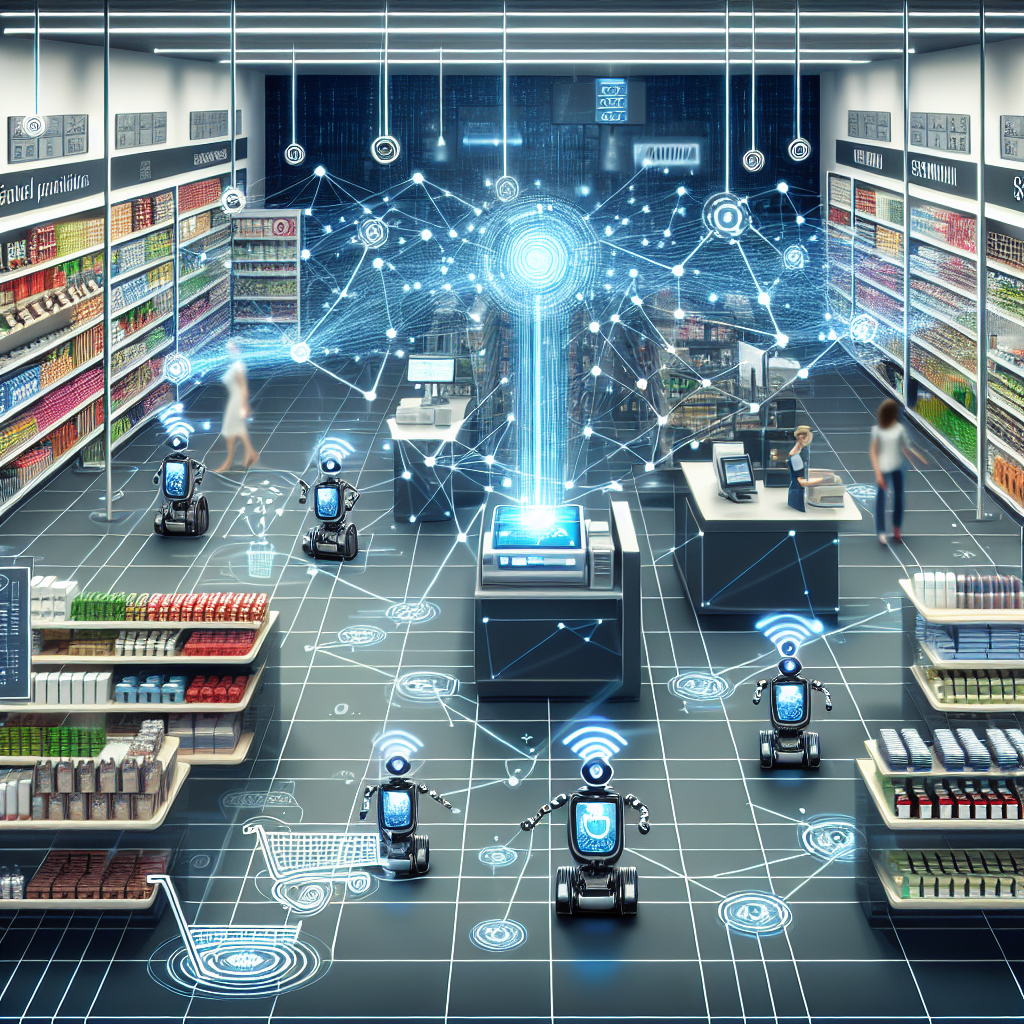
The Benefits of AI and Machine Learning in Retail
Artificial Intelligence (AI) and Machine Learning (ML) are revolutionizing the retail industry by providing retailers with powerful tools to enhance customer experience, improve operations, and drive sales. By leveraging AI and ML technologies, retailers can gain valuable insights into customer behavior, optimize pricing strategies, personalize marketing campaigns, and streamline inventory management. In this article, we will explore the various benefits of AI and ML in retail and how they are transforming the industry.
1. Personalized Shopping Experience
One of the key benefits of AI and ML in retail is the ability to provide a personalized shopping experience for customers. By analyzing customer data, such as purchase history, browsing behavior, and preferences, retailers can tailor product recommendations and promotions to individual customers. This not only enhances customer satisfaction but also increases the likelihood of making a purchase, leading to higher conversion rates and improved customer loyalty.
2. Predictive Analytics
AI and ML algorithms can analyze large volumes of data to predict future trends and outcomes. In retail, predictive analytics can help retailers forecast demand, optimize inventory levels, and identify opportunities for growth. By leveraging predictive analytics, retailers can make data-driven decisions that drive sales and improve operational efficiency.
3. Dynamic Pricing
AI and ML algorithms can analyze market trends, competitor pricing, and customer behavior to optimize pricing strategies in real-time. By implementing dynamic pricing, retailers can adjust prices based on demand, seasonality, and other factors to maximize revenue and profitability. Dynamic pricing can also help retailers stay competitive in a rapidly changing market by offering the right price at the right time.
4. Inventory Management
AI and ML technologies can help retailers optimize their inventory management processes by analyzing historical sales data, forecasting demand, and identifying trends. By using advanced algorithms, retailers can reduce stockouts, minimize overstock, and improve inventory turnover. This not only helps retailers save costs but also ensures that customers have access to the products they want when they want them.
5. Fraud Detection
AI and ML algorithms can detect fraudulent activities in real-time by analyzing transaction data, identifying patterns, and flagging suspicious behavior. By leveraging AI-powered fraud detection systems, retailers can protect themselves from fraudsters and safeguard their customers’ sensitive information. This not only improves security but also enhances trust and confidence in the retail brand.
6. Customer Service
AI-powered chatbots and virtual assistants can provide customers with instant support and assistance, 24/7. By leveraging AI technologies, retailers can automate customer service processes, respond to inquiries in real-time, and provide personalized recommendations. This not only improves customer satisfaction but also reduces response times and enhances the overall shopping experience.
7. Marketing Automation
AI and ML algorithms can analyze customer data to create targeted marketing campaigns that drive engagement and conversions. By segmenting customers based on their preferences, behaviors, and demographics, retailers can deliver personalized offers, promotions, and recommendations that resonate with individual customers. This not only increases ROI but also improves customer loyalty and retention.
FAQs
Q: How can AI and ML help retailers improve customer experience?
A: AI and ML technologies can help retailers improve customer experience by providing personalized product recommendations, optimizing pricing strategies, automating customer service processes, and creating targeted marketing campaigns.
Q: Can AI and ML help retailers reduce costs?
A: Yes, AI and ML technologies can help retailers reduce costs by optimizing inventory management, forecasting demand, detecting fraudulent activities, and automating repetitive tasks.
Q: How can retailers leverage AI and ML to drive sales?
A: Retailers can leverage AI and ML to drive sales by offering personalized shopping experiences, optimizing pricing strategies, creating targeted marketing campaigns, and improving customer service.
Q: What are some examples of retailers using AI and ML successfully?
A: Some examples of retailers using AI and ML successfully include Amazon, which uses AI algorithms to recommend products to customers, and Walmart, which uses ML to optimize pricing strategies and inventory management.
In conclusion, AI and ML technologies are transforming the retail industry by providing retailers with powerful tools to enhance customer experience, improve operations, and drive sales. By leveraging AI and ML, retailers can gain valuable insights into customer behavior, optimize pricing strategies, personalize marketing campaigns, and streamline inventory management. As the retail landscape continues to evolve, retailers that embrace AI and ML technologies will have a competitive advantage in meeting the changing needs and expectations of customers.