
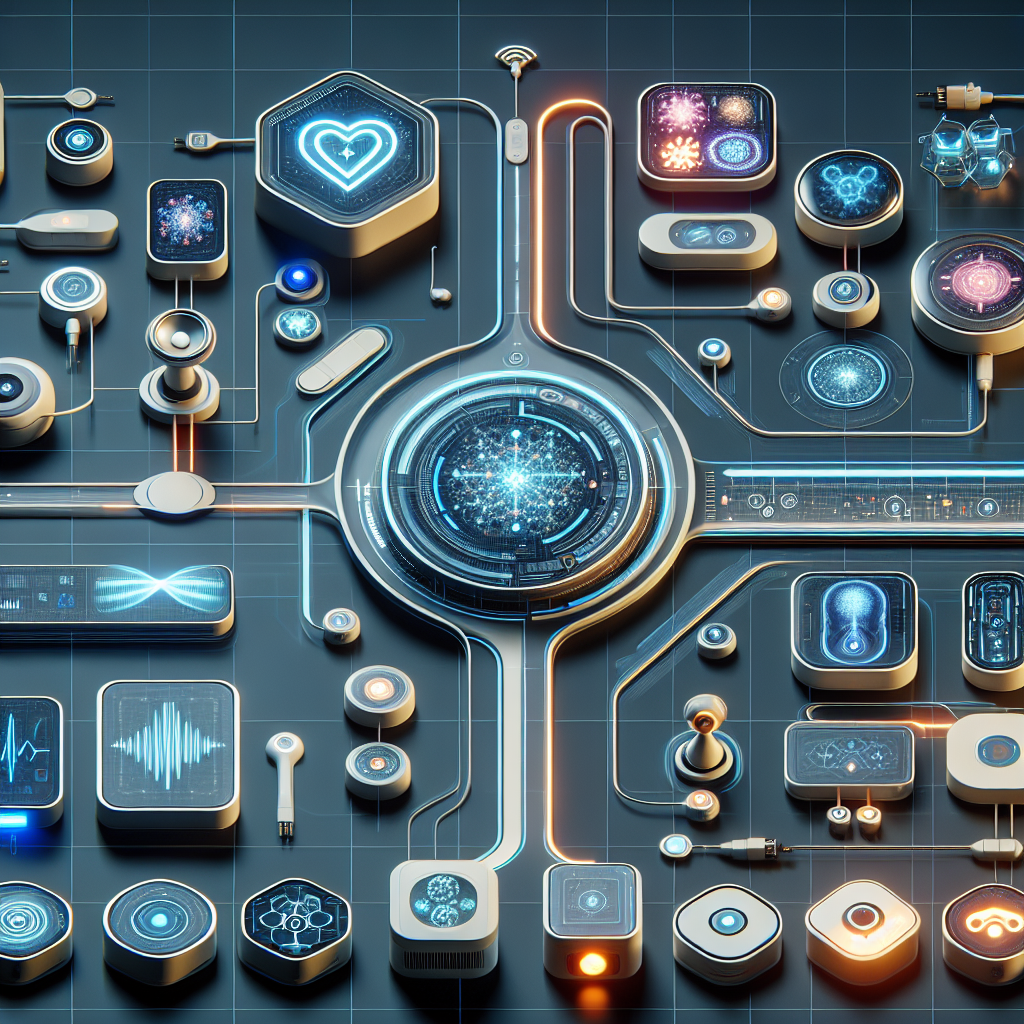
The Future of AI-powered Medical Devices
Artificial intelligence (AI) is revolutionizing the healthcare industry, with AI-powered medical devices playing a crucial role in diagnosing diseases, monitoring patients, and providing personalized treatment plans. These devices have the potential to significantly improve patient outcomes, reduce healthcare costs, and enhance the overall quality of care. In this article, we will explore the future of AI-powered medical devices and how they are set to transform the healthcare landscape.
Advancements in AI technology have enabled medical devices to analyze vast amounts of data in real-time, allowing healthcare providers to make more accurate and timely diagnoses. For example, AI-powered imaging devices can detect abnormalities in medical images with greater accuracy than human radiologists, leading to earlier detection of diseases such as cancer. This can result in faster treatment and improved survival rates for patients.
In addition to diagnosis, AI-powered medical devices can also monitor patients in real-time, providing continuous feedback to healthcare providers. For example, wearable devices equipped with AI algorithms can track a patient’s vital signs and alert healthcare providers to any abnormalities. This can help prevent medical emergencies and enable early intervention, ultimately improving patient outcomes.
AI-powered medical devices are also being used to personalize treatment plans for patients. By analyzing a patient’s unique genetic makeup, medical history, and lifestyle factors, AI algorithms can recommend the most effective treatment options for each individual. This personalized approach to healthcare can lead to better outcomes and reduced side effects for patients.
The future of AI-powered medical devices is bright, with ongoing advancements in technology driving innovation in the healthcare industry. As AI algorithms become more sophisticated and accurate, medical devices will continue to improve in their ability to diagnose, monitor, and treat patients. Here are some key trends that we can expect to see in the future of AI-powered medical devices:
1. Integration of AI with other emerging technologies: AI-powered medical devices will increasingly be integrated with other emerging technologies, such as virtual reality (VR) and augmented reality (AR). This integration will enable healthcare providers to visualize patient data in new ways, leading to more accurate diagnoses and personalized treatment plans.
2. Expansion of remote monitoring capabilities: AI-powered medical devices will enable remote monitoring of patients, allowing healthcare providers to track vital signs and other health metrics from a distance. This will be particularly beneficial for patients with chronic conditions who require regular monitoring and intervention.
3. Enhanced patient engagement: AI-powered medical devices will enable patients to take a more active role in their healthcare by providing them with personalized insights and recommendations. This increased engagement can lead to better adherence to treatment plans and improved health outcomes.
4. Improved data security: As AI-powered medical devices collect and analyze sensitive patient data, ensuring data security and privacy will be of paramount importance. Future devices will incorporate advanced encryption and security measures to protect patient information from cyber threats.
5. Collaboration with healthcare professionals: AI-powered medical devices will work in tandem with healthcare professionals, providing them with valuable insights and recommendations to inform their treatment decisions. This collaboration will lead to more accurate diagnoses and personalized treatment plans for patients.
FAQs
Q: How do AI-powered medical devices work?
A: AI-powered medical devices use machine learning algorithms to analyze vast amounts of data, such as medical images, patient records, and genetic information. These algorithms can detect patterns and trends in the data, leading to more accurate diagnoses and personalized treatment plans for patients.
Q: Are AI-powered medical devices safe?
A: AI-powered medical devices are subject to stringent regulatory standards to ensure their safety and effectiveness. Before being approved for clinical use, these devices undergo extensive testing to confirm their accuracy and reliability.
Q: What are the benefits of AI-powered medical devices?
A: AI-powered medical devices offer numerous benefits, including more accurate diagnoses, personalized treatment plans, remote monitoring capabilities, and enhanced patient engagement. These devices have the potential to improve patient outcomes, reduce healthcare costs, and enhance the overall quality of care.
Q: Will AI-powered medical devices replace healthcare professionals?
A: AI-powered medical devices are designed to complement the work of healthcare professionals, not replace them. These devices provide valuable insights and recommendations to inform healthcare decisions, but ultimately, human judgment and expertise are still essential in delivering quality patient care.
In conclusion, the future of AI-powered medical devices is bright, with ongoing advancements in technology driving innovation in the healthcare industry. These devices have the potential to significantly improve patient outcomes, reduce healthcare costs, and enhance the overall quality of care. As AI algorithms become more sophisticated and accurate, medical devices will continue to evolve in their ability to diagnose, monitor, and treat patients. By harnessing the power of AI, healthcare providers can look forward to a future where personalized, data-driven care is the norm.