
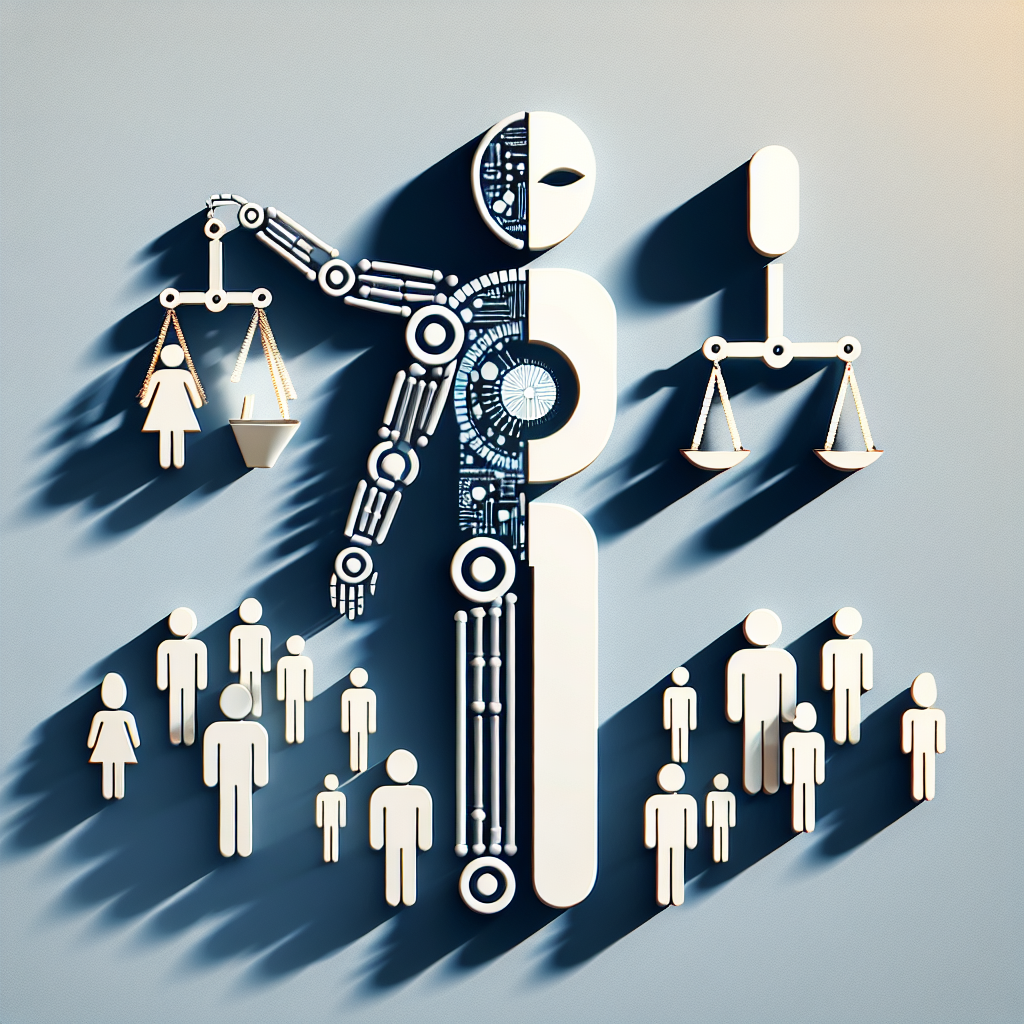
Artificial Intelligence (AI) has the potential to bring about tremendous advancements in various fields, from healthcare and transportation to education and finance. However, as AI technology continues to evolve rapidly, concerns about its impact on human rights have also come to the forefront. The case for the democratization of AI is essential to ensure that its benefits are shared equitably and that it does not infringe upon fundamental human rights.
The Intersection of AI and Human Rights
AI technologies have the potential to impact a wide range of human rights, such as the right to privacy, freedom of expression, and the right to non-discrimination. For example, the use of AI in surveillance systems can pose a threat to privacy rights, as it enables the collection and analysis of vast amounts of personal data without individuals’ consent. Similarly, AI algorithms used in decision-making processes, such as hiring and lending, can perpetuate existing biases and discrimination, leading to unjust outcomes for marginalized groups.
Furthermore, the lack of transparency and accountability in AI systems can make it difficult to challenge and rectify any violations of human rights that may occur. As AI algorithms become increasingly complex and opaque, it becomes challenging to understand how decisions are made and to hold responsible parties accountable for any harm caused. This lack of transparency can also hinder individuals’ ability to challenge decisions made by AI systems that affect their rights and wellbeing.
The Case for Democratization of AI
The democratization of AI involves ensuring that AI technologies are developed, deployed, and governed in a manner that is transparent, inclusive, and accountable. This approach seeks to empower individuals and communities to participate in decision-making processes related to AI and to ensure that AI systems are designed to respect and protect human rights. By democratizing AI, we can address some of the key challenges posed by this technology and harness its potential for the greater good.
1. Transparency: One of the key principles of democratizing AI is transparency. This entails making AI systems and algorithms more understandable and accountable to end-users and stakeholders. By providing clear explanations of how AI systems work and how decisions are made, individuals can better understand and challenge any potential violations of their rights.
2. Inclusivity: Another important aspect of democratizing AI is inclusivity. This involves ensuring that AI technologies are developed with diverse perspectives and input from a wide range of stakeholders, including marginalized groups and communities. By including diverse voices in the design and deployment of AI systems, we can mitigate biases and ensure that these technologies serve the needs of all individuals.
3. Accountability: Democratizing AI also requires establishing mechanisms for accountability and redress in cases where AI systems cause harm or violate human rights. This can include creating oversight bodies, implementing guidelines for ethical AI development, and providing avenues for individuals to challenge decisions made by AI systems. By holding developers and users of AI accountable for their actions, we can help prevent potential abuses and ensure that AI technologies are used responsibly.
FAQs
Q: How can we ensure that AI technologies respect human rights?
A: Ensuring that AI technologies respect human rights requires a multi-faceted approach that includes transparency, inclusivity, and accountability. By making AI systems more transparent and understandable, including diverse perspectives in their development, and establishing mechanisms for accountability and redress, we can help mitigate potential risks and ensure that AI technologies respect human rights.
Q: What are some examples of AI technologies that have raised human rights concerns?
A: AI technologies such as facial recognition systems, predictive policing algorithms, and automated decision-making processes have raised human rights concerns due to their potential for privacy violations, discrimination, and lack of accountability. These technologies have been used in various contexts, including law enforcement, healthcare, and finance, and have led to instances of bias and injustice.
Q: How can individuals advocate for the democratization of AI?
A: Individuals can advocate for the democratization of AI by raising awareness about the potential risks and benefits of AI technologies, engaging with policymakers and industry stakeholders to promote transparency and accountability in AI development, and supporting initiatives that promote inclusive and ethical AI practices. By actively participating in discussions and decision-making processes related to AI, individuals can help shape the future of this technology in a way that respects and protects human rights.
In conclusion, the democratization of AI is crucial for ensuring that this technology respects and upholds human rights. By promoting transparency, inclusivity, and accountability in the development and deployment of AI systems, we can harness the potential of AI for the greater good and prevent potential abuses. It is essential for individuals, organizations, and policymakers to work together to ensure that AI technologies serve the needs of all individuals and communities, while respecting their fundamental rights and freedoms.