
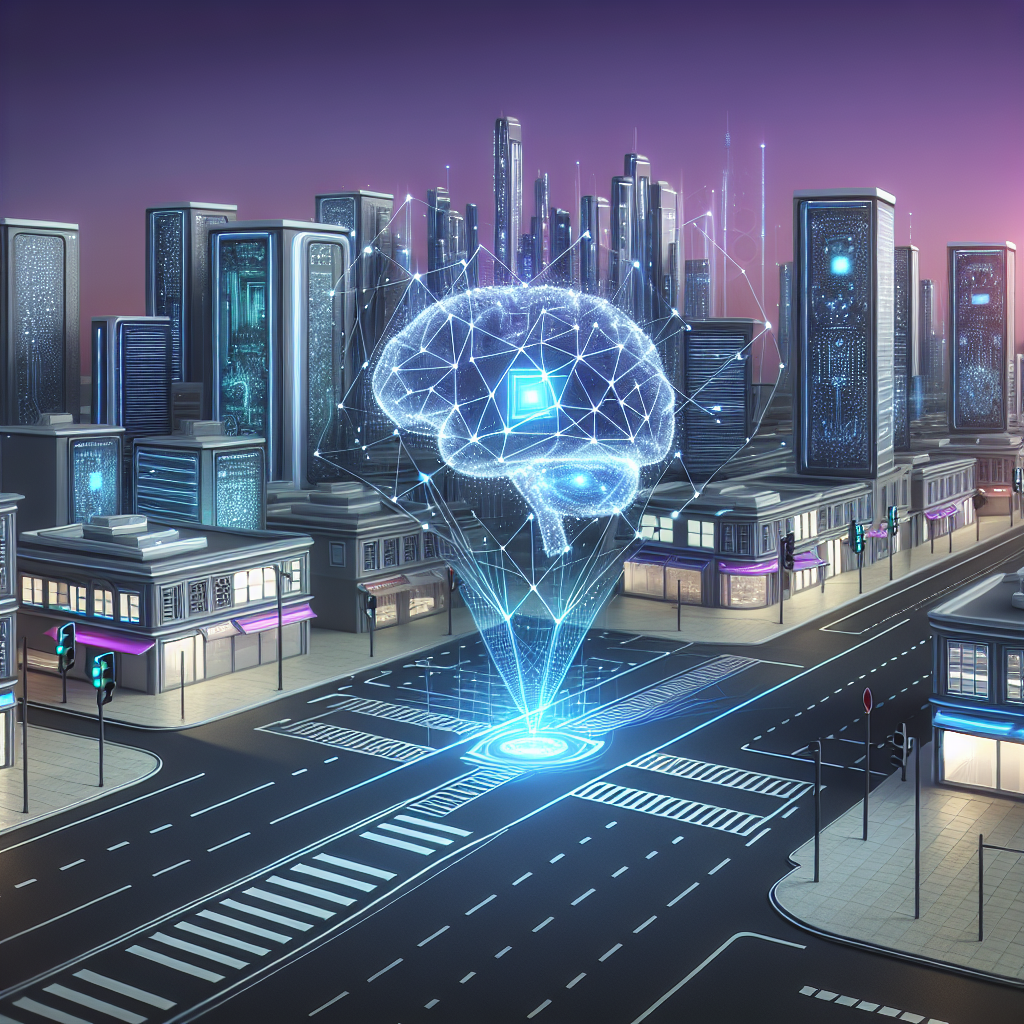
Artificial intelligence (AI) has revolutionized many industries, including architecture. The intersection of AI and architectural theory has opened up new possibilities for the design and construction of buildings. From generative design to smart building materials, AI is changing the way architects approach their work.
Generative design is one area where AI is making a significant impact on architectural theory. Instead of traditional design methods where architects manually create sketches and models, generative design uses algorithms to explore all possible design solutions based on a set of constraints and objectives. This allows architects to quickly generate and evaluate hundreds or even thousands of design options, leading to more innovative and efficient designs.
AI is also being used in the construction phase of architectural projects. By analyzing data from sensors embedded in buildings, AI can optimize building performance by adjusting lighting, heating, and cooling systems in real-time. This can lead to energy savings and improved occupant comfort. Additionally, AI can analyze construction schedules and budgets to identify potential risks and delays, helping architects and builders to stay on track and within budget.
Another area where AI is influencing architectural theory is in the use of smart building materials. These materials contain sensors and other electronic components that can communicate with each other and with AI systems to optimize building performance. For example, smart glass can adjust its tint based on the amount of sunlight hitting it, reducing energy costs and improving occupant comfort. Smart concrete can detect cracks and self-repair, increasing the lifespan of a building.
Despite the many benefits of AI in architecture, there are also concerns about the ethical implications of using AI in design and construction. For example, there are concerns about the potential loss of jobs for architects and other design professionals as AI becomes more sophisticated. There are also concerns about privacy and security issues related to the use of AI in smart buildings, as sensors and other electronic components can collect sensitive data about occupants.
To address these concerns, architects and designers need to be mindful of the ethical implications of using AI in their work. They should be transparent about how AI is being used in their projects and ensure that data collected from smart buildings is stored and used responsibly. Additionally, architects should continue to develop their skills and expertise in AI to stay relevant in a rapidly changing industry.
In conclusion, the intersection of AI and architectural theory is reshaping the way buildings are designed and constructed. From generative design to smart building materials, AI is enabling architects to create more innovative and efficient buildings. However, it is important for architects to consider the ethical implications of using AI in their work and take steps to ensure that AI is used responsibly.
FAQs
Q: How is AI used in generative design?
A: AI is used in generative design to explore all possible design solutions based on a set of constraints and objectives. This allows architects to quickly generate and evaluate hundreds or even thousands of design options, leading to more innovative and efficient designs.
Q: What are smart building materials?
A: Smart building materials contain sensors and other electronic components that can communicate with each other and with AI systems to optimize building performance. Examples include smart glass that can adjust its tint based on sunlight and smart concrete that can self-repair.
Q: What are some concerns about using AI in architecture?
A: Some concerns about using AI in architecture include potential job loss for architects and other design professionals, as well as privacy and security issues related to the data collected from smart buildings.
Q: How can architects address the ethical implications of using AI in their work?
A: Architects should be transparent about how AI is being used in their projects and ensure that data collected from smart buildings is stored and used responsibly. They should also continue to develop their skills and expertise in AI to stay relevant in a rapidly changing industry.