
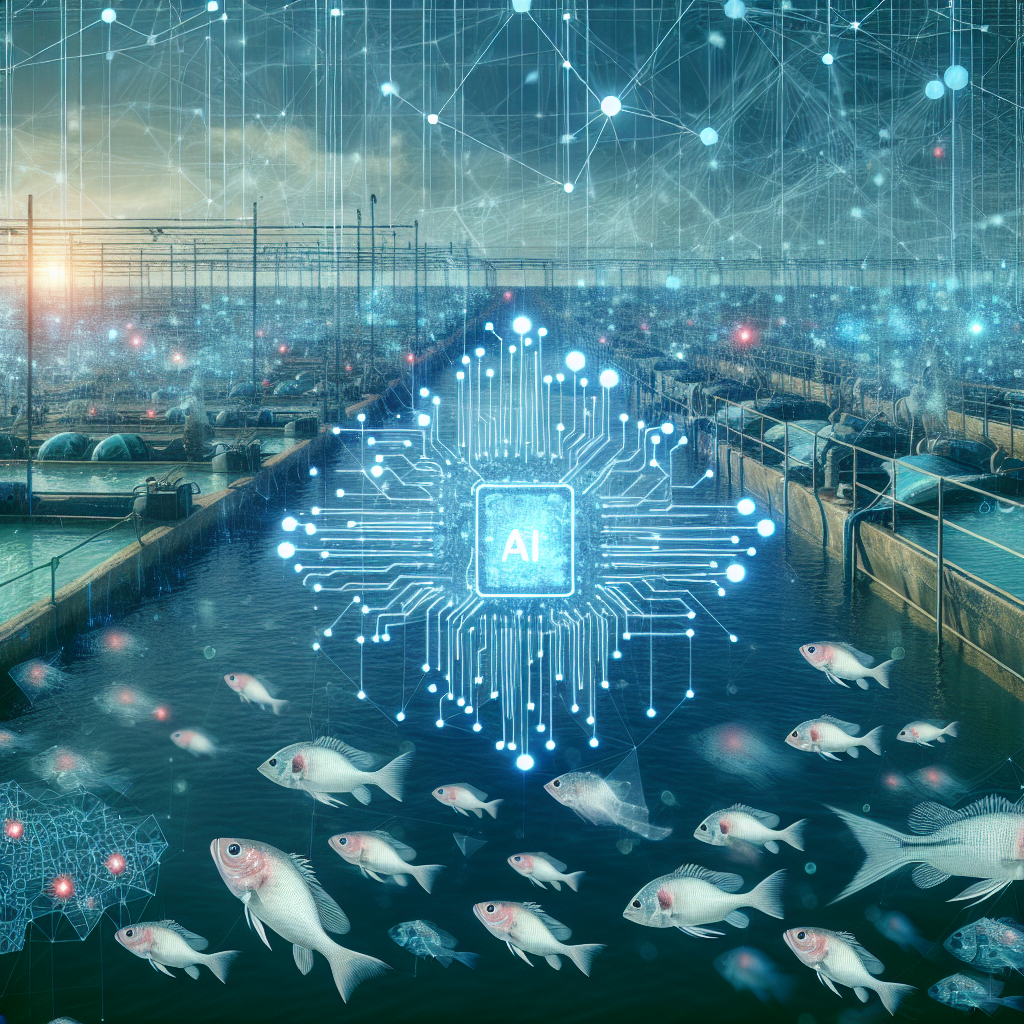
Aquaculture and fisheries are crucial industries that provide a significant portion of the world’s seafood supply. With the global demand for seafood on the rise, these industries are facing numerous challenges such as overfishing, environmental degradation, disease outbreaks, and fluctuating market prices. In response to these challenges, the application of artificial intelligence (AI) in aquaculture and fisheries is gaining momentum as a way to improve efficiency, sustainability, and profitability.
AI applications in aquaculture and fisheries encompass a wide range of technologies, including machine learning, computer vision, robotics, and data analytics. These technologies are being used to enhance various aspects of operations, such as monitoring water quality, managing fish health, optimizing feed distribution, predicting market trends, and automating tasks. Let’s explore some of the key AI applications in aquaculture and fisheries and their potential benefits.
1. Monitoring Water Quality:
One of the critical factors in aquaculture is maintaining optimal water quality for the health and growth of the fish. AI-powered sensors and monitoring systems can continuously measure parameters such as temperature, pH, dissolved oxygen, and ammonia levels in real-time. Machine learning algorithms can analyze this data to detect any deviations from the ideal conditions and alert farmers to take corrective actions promptly. This proactive approach can help prevent water quality issues and improve overall fish health and productivity.
2. Fish Health Management:
Disease outbreaks can have devastating consequences on fish farms, leading to significant economic losses. AI technologies can assist in early detection and diagnosis of diseases by analyzing various indicators such as fish behavior, body condition, and water quality data. Machine learning models can predict the likelihood of disease outbreaks based on historical data and recommend preventive measures to mitigate risks. This proactive approach can help farmers implement timely interventions, such as adjusting feeding practices or administering medication, to prevent the spread of diseases and minimize losses.
3. Feed Optimization:
Feed is a significant cost factor in aquaculture operations, and optimizing feed distribution is crucial for maximizing growth efficiency and minimizing waste. AI algorithms can analyze various factors, such as fish size, feed composition, water temperature, and feeding behavior, to determine the optimal feeding schedule and quantity for each fish. By using machine learning models to predict fish growth rates and nutrient requirements, farmers can adjust feed formulations in real-time to meet the specific needs of the fish and reduce feed wastage. This precision feeding approach can improve feed conversion ratios and overall profitability of aquaculture operations.
4. Market Trend Prediction:
The seafood industry is highly dynamic, with market prices fluctuating based on factors such as supply and demand, weather conditions, geopolitical events, and consumer preferences. AI technologies can analyze vast amounts of data from various sources, including historical sales data, weather forecasts, social media trends, and global trade patterns, to predict market trends and price movements. Machine learning algorithms can generate accurate forecasts and recommendations for farmers on optimal pricing strategies, product differentiation, and market positioning to maximize profitability and competitiveness in the industry.
5. Robotic Automation:
Robotic automation is revolutionizing the aquaculture industry by performing labor-intensive tasks such as feeding, cleaning, harvesting, and sorting with precision and efficiency. AI-powered robots equipped with sensors, cameras, and actuators can navigate through fish ponds, tanks, and processing facilities to carry out specific tasks autonomously. These robots can collect data on fish behavior, growth rates, and environmental conditions, enabling farmers to make informed decisions on resource allocation and production planning. By leveraging robotics and AI, aquaculture operations can enhance productivity, reduce labor costs, and improve overall operational efficiency.
FAQs:
Q: How does AI help in improving fish health in aquaculture?
A: AI technologies such as machine learning and data analytics can analyze various indicators such as water quality, feeding behavior, and disease patterns to detect early signs of health issues in fish. By monitoring these factors in real-time and predicting potential risks, farmers can implement preventive measures to maintain optimal fish health and prevent disease outbreaks.
Q: Can AI predict market trends in the seafood industry?
A: Yes, AI technologies can analyze vast amounts of data from multiple sources to forecast market trends, price movements, and consumer preferences in the seafood industry. By leveraging machine learning algorithms to generate accurate forecasts and recommendations, farmers can make informed decisions on pricing strategies, product differentiation, and market positioning to maximize profitability and competitiveness.
Q: How can AI improve feed optimization in aquaculture?
A: AI algorithms can analyze various factors such as fish size, feed composition, water quality, and feeding behavior to optimize feed distribution in aquaculture operations. By using machine learning models to predict fish growth rates and nutrient requirements, farmers can adjust feed formulations in real-time to meet the specific needs of the fish and reduce feed wastage, leading to improved feed conversion ratios and overall profitability.
In conclusion, AI applications in aquaculture and fisheries are transforming the way these industries operate by enhancing efficiency, sustainability, and profitability. By leveraging technologies such as machine learning, computer vision, robotics, and data analytics, farmers can make data-driven decisions, automate tasks, and optimize operations to meet the growing demand for seafood in a sustainable manner. As AI continues to evolve, its potential to revolutionize aquaculture and fisheries is limitless, offering new opportunities for innovation and growth in the industry.