
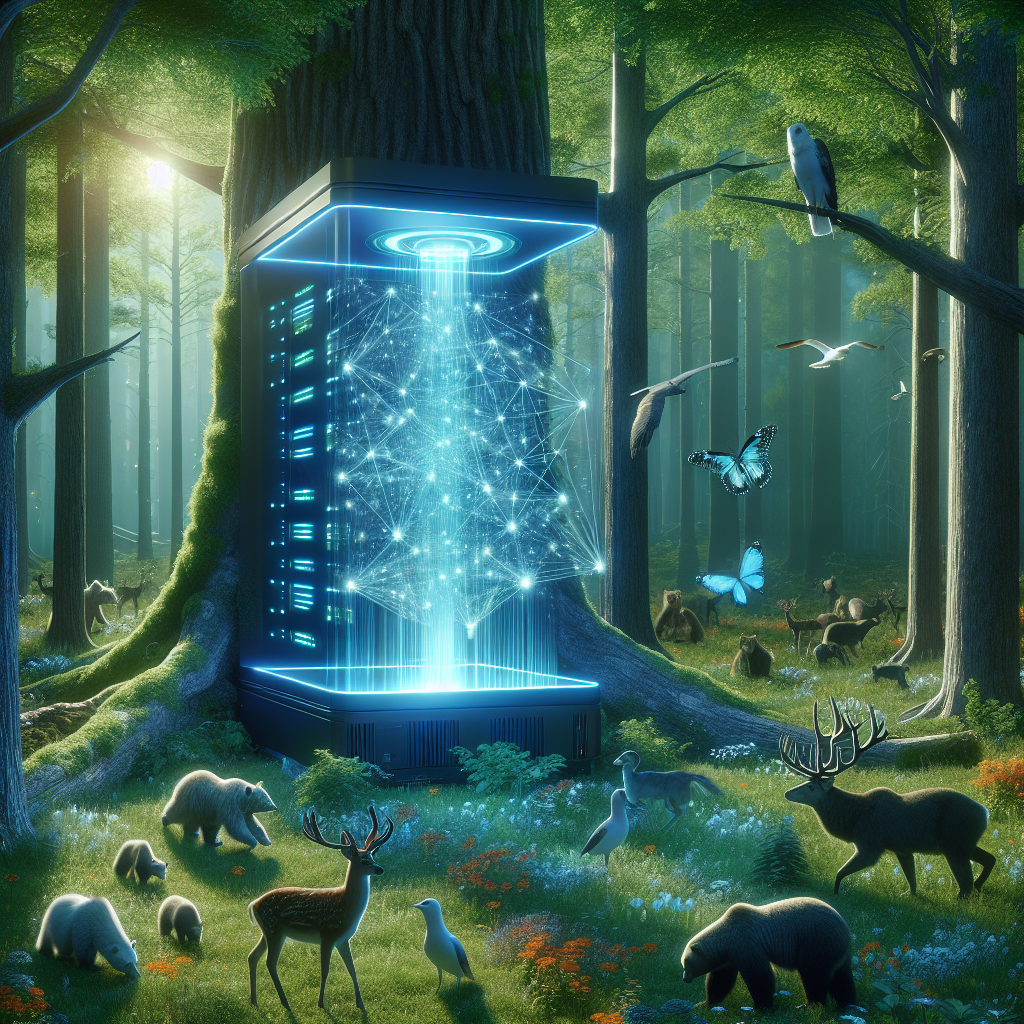
The Role of AI in Wildlife Monitoring
Advances in artificial intelligence (AI) have revolutionized many industries, and wildlife monitoring is no exception. AI technologies are being increasingly used to track and monitor wildlife populations, behavior, and habitats, providing valuable data for conservation efforts. In this article, we will explore the role of AI in wildlife monitoring and its implications for protecting endangered species and ecosystems.
AI in Wildlife Monitoring
Traditional wildlife monitoring methods, such as camera traps, radio tracking, and satellite imagery, have long been used to study wildlife populations. However, these methods can be time-consuming, labor-intensive, and expensive. AI technologies offer a more efficient and cost-effective way to collect and analyze data on wildlife.
One of the key applications of AI in wildlife monitoring is in image recognition. AI algorithms can analyze thousands of images from camera traps and identify specific species, individuals, and behaviors with high accuracy. This allows researchers to track population trends, monitor animal movements, and study habitat use in ways that were not possible before. AI can also help detect and track invasive species, poachers, and other threats to wildlife.
Another important use of AI in wildlife monitoring is in acoustic monitoring. AI algorithms can analyze audio recordings of animal calls and vocalizations to identify species, estimate population densities, and monitor changes in behavior. This is particularly useful for studying elusive or nocturnal species that are difficult to observe directly.
AI technologies are also being used to analyze satellite imagery and remotely sensed data to monitor changes in habitats, such as deforestation, land use, and climate change. By combining AI with geographic information systems (GIS), researchers can create detailed maps of wildlife populations and habitats, and predict how they may be affected by human activities.
Implications for Conservation
The use of AI in wildlife monitoring has significant implications for conservation efforts. By providing researchers with more accurate and timely data on wildlife populations and habitats, AI technologies can help prioritize conservation actions, assess the effectiveness of conservation programs, and inform policy decisions.
For example, AI can help identify areas that are critical for the survival of endangered species, and prioritize conservation efforts in those areas. By monitoring changes in population sizes, migration patterns, and habitat quality, researchers can better understand the threats facing wildlife and develop targeted conservation strategies to address them.
AI can also help monitor the impact of human activities on wildlife, such as habitat destruction, pollution, and climate change. By analyzing data from multiple sources, researchers can identify the drivers of biodiversity loss and develop sustainable solutions to mitigate them.
In addition, AI technologies can help detect and prevent illegal activities, such as poaching and wildlife trafficking. By analyzing patterns of illegal behavior, researchers can identify hotspots of illegal activity, track criminal networks, and collaborate with law enforcement agencies to combat wildlife crime.
Overall, the use of AI in wildlife monitoring has the potential to revolutionize conservation efforts and help protect endangered species and ecosystems for future generations.
FAQs
Q: How accurate is AI in wildlife monitoring?
A: AI algorithms have been shown to achieve high levels of accuracy in identifying species, individuals, and behaviors from images and audio recordings. However, the accuracy of AI depends on the quality of the data and the training of the algorithms. Researchers are continually refining and improving AI technologies to enhance their accuracy and reliability for wildlife monitoring.
Q: Is AI replacing traditional wildlife monitoring methods?
A: AI technologies are not replacing traditional wildlife monitoring methods, but complementing them. Traditional methods, such as camera traps and radio tracking, provide valuable data that can be used to train AI algorithms and validate their results. By combining AI with traditional methods, researchers can obtain a more comprehensive and accurate picture of wildlife populations and habitats.
Q: What are the ethical implications of using AI in wildlife monitoring?
A: There are ethical considerations to take into account when using AI in wildlife monitoring, such as data privacy, animal welfare, and the potential for unintended consequences. Researchers must ensure that data collected through AI technologies is used responsibly and ethically, and that the welfare of wildlife is not compromised in the process. Collaborating with local communities, indigenous peoples, and stakeholders is also important to ensure that conservation efforts are inclusive and sustainable.
Q: How can I get involved in AI wildlife monitoring projects?
A: There are many opportunities for individuals to get involved in AI wildlife monitoring projects, such as volunteering with conservation organizations, participating in citizen science programs, and supporting research initiatives. By contributing data, time, or resources to wildlife monitoring efforts, you can help protect endangered species and ecosystems and make a positive impact on conservation efforts.
In conclusion, AI technologies are transforming wildlife monitoring and conservation efforts, providing researchers with new tools and insights to protect endangered species and ecosystems. By leveraging the power of AI, we can better understand and address the threats facing wildlife and work towards a more sustainable future for all living beings.