
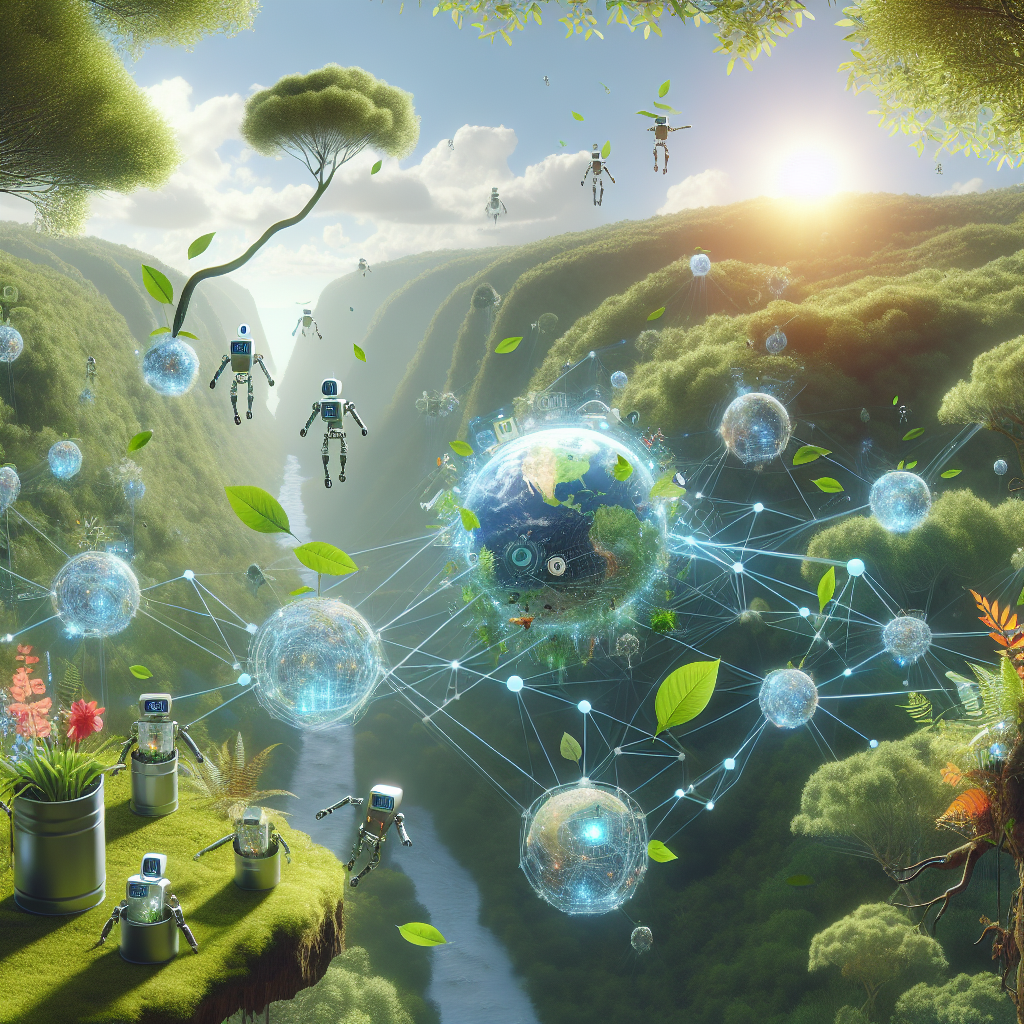
In recent years, the role of artificial intelligence (AI) in environmental conservation has been gaining significant attention. AI technologies have the potential to revolutionize the way we approach environmental challenges, from monitoring and protecting wildlife to managing natural resources and combating climate change. By leveraging the power of AI, we can enhance sustainability efforts, preserve biodiversity, and ultimately create a more environmentally friendly world.
One of the key ways in which AI is being used in environmental conservation is through the monitoring and protection of wildlife. Traditional methods of tracking and studying animal populations can be time-consuming, costly, and often invasive. AI-powered tools, such as drones and camera traps, offer a more efficient and non-intrusive way to monitor wildlife populations and track their movements. These technologies can help conservationists better understand animal behavior, identify threats to their habitats, and develop more effective conservation strategies.
For example, AI-powered drones equipped with thermal imaging cameras can be used to survey large areas of land and identify endangered species or detect illegal activities, such as poaching or deforestation. These drones can cover vast areas in a fraction of the time it would take human researchers, allowing for more comprehensive monitoring of wildlife populations and habitats. Similarly, camera traps equipped with AI algorithms can automatically identify and categorize different species, helping researchers track population trends and assess the impact of conservation efforts.
AI is also being used to improve the management of natural resources and support sustainable practices. By analyzing large amounts of data collected from satellites, sensors, and other sources, AI algorithms can provide valuable insights into the health of ecosystems, the availability of resources, and the impact of human activities on the environment. This data-driven approach can help policymakers make more informed decisions about land use, water management, and conservation priorities.
For example, AI-powered models can predict the impact of climate change on crop yields, helping farmers adapt their practices to changing environmental conditions. AI algorithms can also optimize the allocation of resources, such as water or energy, to minimize waste and reduce environmental impact. By harnessing the power of AI, we can better balance human needs with the needs of the environment, ensuring the long-term sustainability of our planet.
In addition to monitoring wildlife and managing natural resources, AI is also being used to combat climate change and reduce greenhouse gas emissions. AI algorithms can analyze large amounts of data to identify patterns and trends in climate change, helping researchers better understand the causes and effects of global warming. This knowledge can inform the development of more effective mitigation strategies and adaptation measures.
For example, AI-powered models can predict the impact of different policy interventions on greenhouse gas emissions, helping policymakers identify the most cost-effective and environmentally friendly solutions. AI algorithms can also optimize energy systems, such as smart grids or renewable energy sources, to reduce carbon emissions and promote sustainability. By leveraging the power of AI, we can accelerate the transition to a low-carbon economy and mitigate the impacts of climate change on our planet.
Overall, the role of AI in environmental conservation is crucial for enhancing sustainability and preserving biodiversity. By harnessing the power of AI technologies, we can better monitor and protect wildlife, manage natural resources, and combat climate change. These innovations offer new opportunities for conservationists, policymakers, and communities to work together towards a more sustainable and environmentally friendly future.
FAQs:
Q: How does AI help in monitoring and protecting wildlife?
A: AI technologies, such as drones and camera traps, can be used to monitor wildlife populations and track their movements in a more efficient and non-intrusive way. These tools can help conservationists better understand animal behavior, identify threats to their habitats, and develop more effective conservation strategies.
Q: How can AI improve the management of natural resources?
A: By analyzing large amounts of data collected from satellites, sensors, and other sources, AI algorithms can provide valuable insights into the health of ecosystems, the availability of resources, and the impact of human activities on the environment. This data-driven approach can help policymakers make more informed decisions about land use, water management, and conservation priorities.
Q: How does AI help in combating climate change?
A: AI algorithms can analyze large amounts of data to identify patterns and trends in climate change, helping researchers better understand the causes and effects of global warming. This knowledge can inform the development of more effective mitigation strategies and adaptation measures, such as optimizing energy systems or predicting the impact of policy interventions on greenhouse gas emissions.