
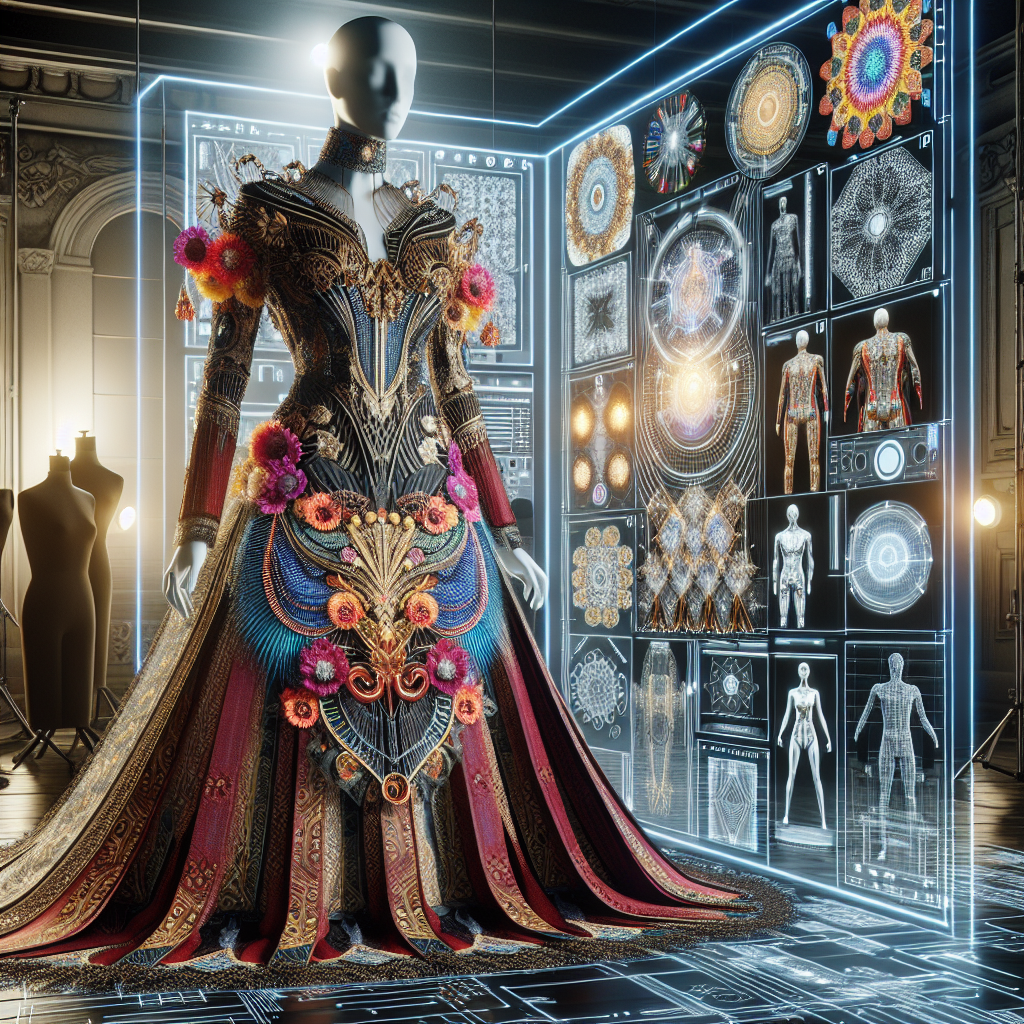
As technology continues to advance, its impact on various industries is becoming increasingly apparent. In the world of theater, one area that has seen significant changes due to the rise of artificial intelligence (AI) is costume design. AI has revolutionized the way costumes are created, allowing designers to create elaborate and lifelike costumes that were previously unimaginable. This article will explore the impact of AI on theater costume design and how it has transformed the creative process.
The Role of AI in Theater Costume Design
Traditionally, theater costume design has been a labor-intensive process that involved a great deal of time and effort. Designers would sketch out their ideas, source materials, and painstakingly create each costume by hand. With the introduction of AI, this process has been streamlined and enhanced in a number of ways.
One of the key ways in which AI has impacted costume design is through the use of computer-generated imagery (CGI). Designers can now create virtual prototypes of their costumes using AI software, allowing them to experiment with different designs and materials without the need to physically create each costume. This has greatly reduced the time and cost associated with costume design, allowing designers to bring their visions to life more quickly and efficiently.
AI has also enabled designers to create more elaborate and lifelike costumes than ever before. By using AI algorithms to analyze data on fabric textures, colors, and patterns, designers can create costumes that are more detailed and realistic than those created by hand. AI can also be used to simulate the movement of fabrics and materials, allowing designers to create costumes that move and flow in a more natural and realistic way on stage.
Another way in which AI has impacted costume design is through the use of 3D printing technology. Designers can now create intricate and complex costumes using 3D printers, allowing them to achieve a level of detail and precision that was previously impossible. 3D printing technology has also enabled designers to create costumes that are more durable and long-lasting, reducing the need for frequent repairs and replacements.
Overall, AI has transformed the way costumes are designed and created in the world of theater. Designers now have access to a wide range of tools and technologies that allow them to bring their creative visions to life in ways that were previously unimaginable.
FAQs:
Q: How has AI impacted the creative process of costume design in theater?
A: AI has streamlined the creative process of costume design by allowing designers to create virtual prototypes, experiment with different designs, and simulate fabric movement more efficiently than ever before.
Q: Can AI create costumes on its own?
A: While AI can assist designers in creating costumes by providing virtual prototypes and analyzing data, it cannot create costumes on its own. Designers still play a crucial role in the creative process.
Q: What are some of the benefits of using AI in theater costume design?
A: Some benefits of using AI in theater costume design include reduced time and cost, the ability to create more elaborate and lifelike costumes, and access to advanced technologies such as 3D printing.
Q: Will AI replace human designers in the future?
A: While AI has the potential to enhance and streamline the creative process of costume design, it is unlikely to replace human designers entirely. Human creativity and intuition are still essential aspects of the design process.
In conclusion, the impact of AI on theater costume design has been significant, transforming the creative process and allowing designers to create elaborate and lifelike costumes in ways that were previously unimaginable. With the continued advancement of technology, the possibilities for AI in costume design are endless, and the future of theater costume design looks brighter than ever.