
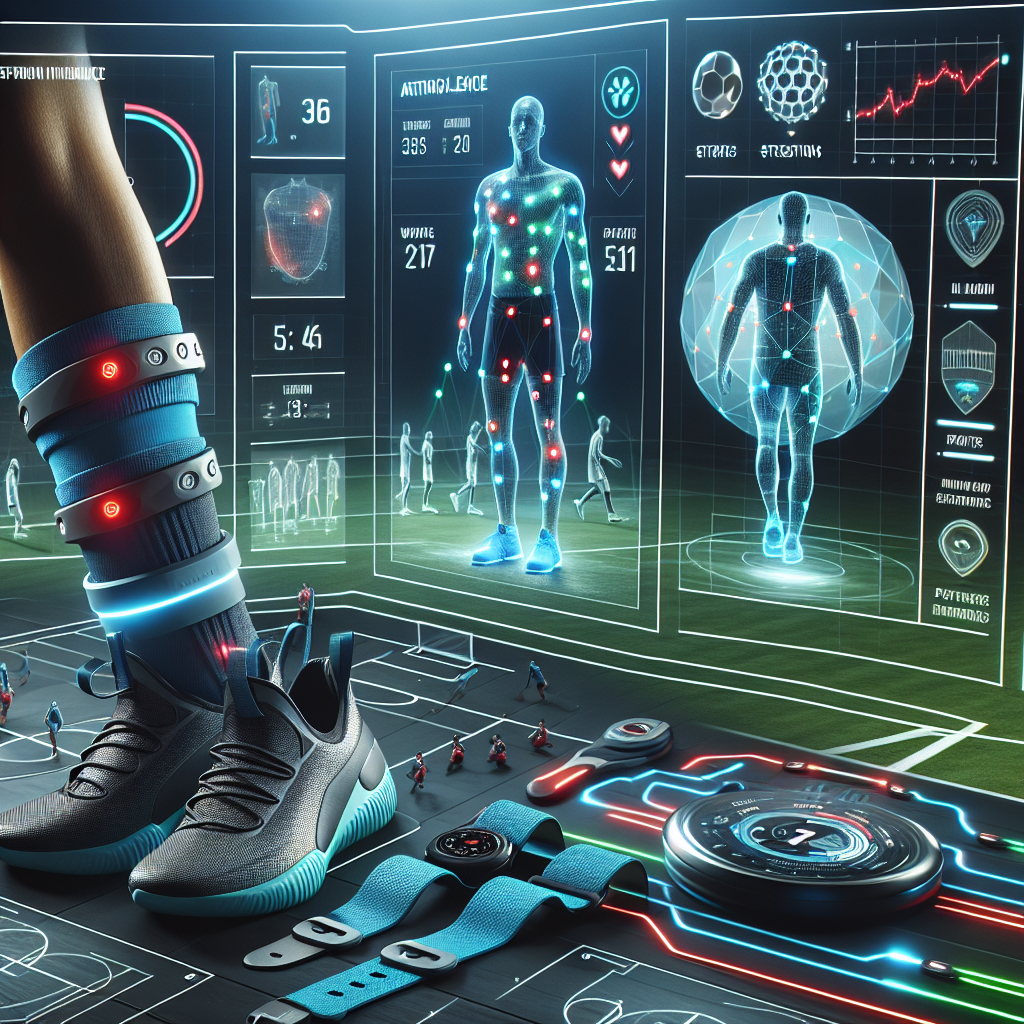
Advancements in technology have brought about significant changes in the world of sports, with artificial intelligence (AI) playing a crucial role in enhancing athletes’ performance. AI-driven sports performance tracking systems have become increasingly popular among athletes, coaches, and teams, as they provide valuable insights and data to improve training, performance, and overall results.
These tracking systems utilize AI algorithms to analyze large amounts of data collected from wearable sensors, cameras, and other devices to monitor and track an athlete’s performance in real-time. By collecting data on various metrics such as speed, distance covered, heart rate, and technique, these systems can provide athletes and coaches with valuable information to optimize training, prevent injuries, and enhance performance.
One of the key benefits of AI-driven sports performance tracking systems is their ability to provide personalized feedback and recommendations based on individual performance data. This allows athletes to tailor their training programs to address specific weaknesses and improve overall performance. Additionally, coaches can use this data to make informed decisions about training strategies, game tactics, and player selection.
Another advantage of these systems is their ability to monitor an athlete’s progress over time and track changes in performance. By comparing data from different training sessions or games, athletes and coaches can identify trends, set goals, and measure improvements. This can be particularly valuable for assessing the effectiveness of training programs and making adjustments as needed.
Furthermore, AI-driven sports performance tracking systems can also help prevent injuries by monitoring fatigue levels, biomechanics, and other risk factors. By analyzing data on an athlete’s movement patterns and workload, these systems can identify potential injury risks and provide recommendations for reducing the likelihood of injury. This proactive approach to injury prevention can help athletes stay healthy and perform at their best.
In addition to enhancing individual performance, AI-driven sports performance tracking systems can also provide valuable insights for teams and organizations. By analyzing data on player performance, team tactics, and game outcomes, these systems can help coaches and managers make data-driven decisions to improve team performance and achieve better results. This can be particularly beneficial for identifying strengths and weaknesses, optimizing team strategies, and maximizing overall performance.
Overall, AI-driven sports performance tracking systems have the potential to revolutionize the way athletes train, compete, and improve their performance. By harnessing the power of AI algorithms to analyze data and provide insights, these systems can help athletes and teams reach new levels of success and achieve their goals.
FAQs:
Q: How do AI-driven sports performance tracking systems work?
A: AI-driven sports performance tracking systems utilize AI algorithms to analyze data collected from wearable sensors, cameras, and other devices to monitor and track an athlete’s performance in real-time. By analyzing metrics such as speed, distance covered, heart rate, and technique, these systems provide valuable insights to optimize training, prevent injuries, and enhance performance.
Q: What are the benefits of using AI-driven sports performance tracking systems?
A: Some of the key benefits of using AI-driven sports performance tracking systems include personalized feedback and recommendations, progress tracking, injury prevention, and data-driven decision-making for athletes, coaches, and teams.
Q: How can AI-driven sports performance tracking systems help prevent injuries?
A: AI-driven sports performance tracking systems can help prevent injuries by monitoring fatigue levels, biomechanics, and other risk factors. By analyzing data on an athlete’s movement patterns and workload, these systems can identify potential injury risks and provide recommendations for reducing the likelihood of injury.
Q: How can AI-driven sports performance tracking systems benefit teams and organizations?
A: AI-driven sports performance tracking systems can provide valuable insights for teams and organizations by analyzing data on player performance, team tactics, and game outcomes. This can help coaches and managers make data-driven decisions to improve team performance, optimize strategies, and achieve better results.
Q: What are some examples of AI-driven sports performance tracking systems?
A: Some examples of AI-driven sports performance tracking systems include Catapult Sports, STATSports, and Zebra Technologies. These systems utilize AI algorithms to analyze data and provide valuable insights to athletes, coaches, and teams to enhance performance and achieve their goals.