
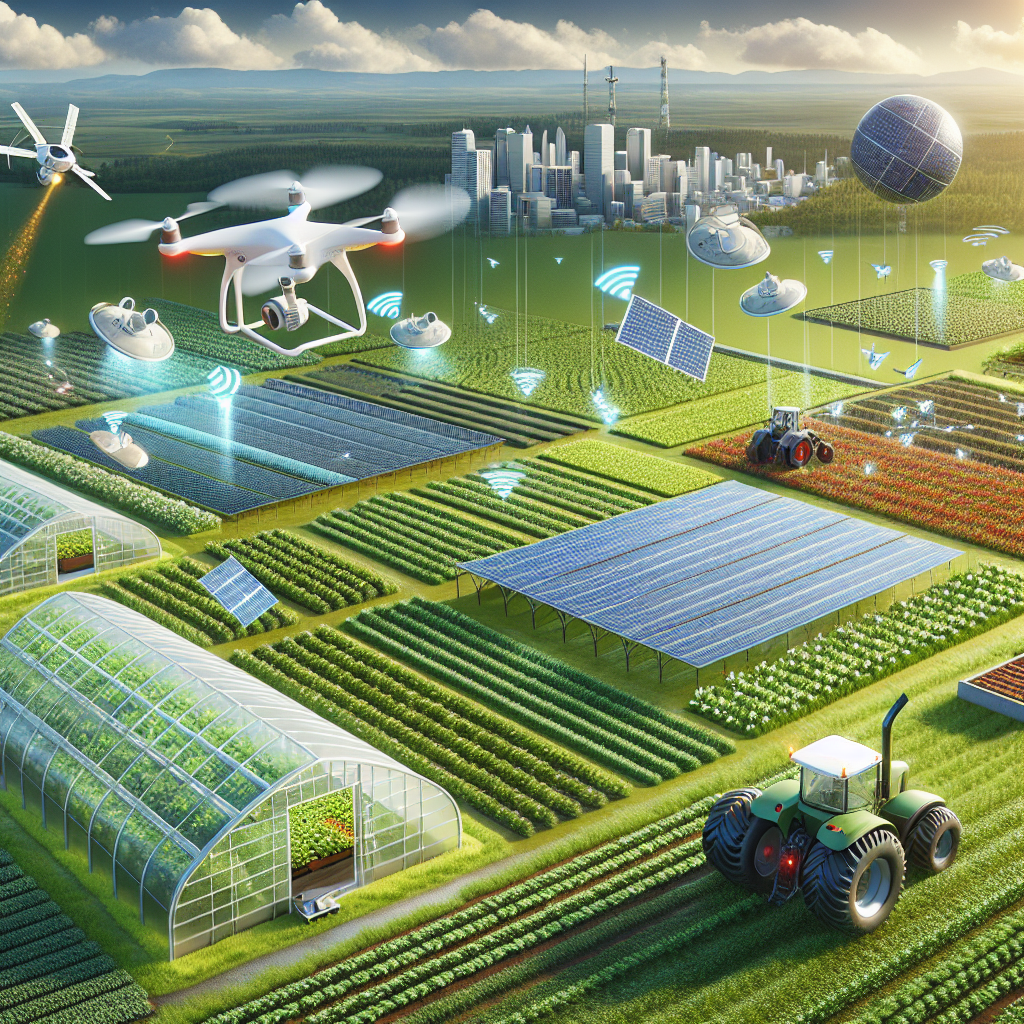
The Impact of AI on Sustainable Agriculture and Food Security
Introduction
In recent years, the agriculture industry has seen a significant shift towards the use of technology to enhance productivity, efficiency, and sustainability. One of the most promising technologies in this regard is Artificial Intelligence (AI). AI has the potential to revolutionize the way we produce food, manage resources, and ensure food security for a growing global population. In this article, we will explore the impact of AI on sustainable agriculture and food security, and how it is transforming the future of farming.
AI in Agriculture
AI refers to the simulation of human intelligence in machines that are programmed to think and learn like humans. In agriculture, AI is being used to analyze vast amounts of data, make predictions, and optimize processes to improve crop yields, reduce waste, and increase sustainability. Some of the key applications of AI in agriculture include:
1. Precision Farming: AI-powered drones and sensors are being used to monitor crops, soil health, and weather conditions in real-time. This data is then analyzed to make informed decisions about irrigation, fertilization, and pest control, leading to more efficient use of resources and higher yields.
2. Crop Monitoring and Disease Detection: AI algorithms can analyze images of crops to detect diseases, pests, or nutrient deficiencies early on. This allows farmers to take timely action to prevent crop losses and reduce the use of chemicals.
3. Predictive Analytics: AI can analyze historical data on weather patterns, soil conditions, and crop performance to make accurate predictions about future yields and identify potential risks. This helps farmers make informed decisions about planting, harvesting, and marketing their crops.
4. Supply Chain Optimization: AI is being used to optimize the entire food supply chain, from production to distribution. By analyzing data on demand, logistics, and market trends, AI can help reduce food waste, improve traceability, and ensure that food reaches consumers in a timely and efficient manner.
Impact on Sustainable Agriculture
The integration of AI in agriculture has several benefits for sustainability. By optimizing resource use, reducing waste, and improving productivity, AI can help farmers adopt more sustainable practices that are environmentally friendly and economically viable. Some of the key impacts of AI on sustainable agriculture include:
1. Water Management: AI-powered irrigation systems can monitor soil moisture levels and weather conditions to deliver the right amount of water to crops at the right time. This reduces water waste and improves water efficiency, especially in areas facing water scarcity.
2. Soil Health: AI can analyze soil samples to assess nutrient levels, pH, and other factors that affect crop growth. By providing recommendations for soil amendments and fertilizers, AI can help farmers improve soil health and fertility, leading to higher yields and healthier crops.
3. Pest Control: AI algorithms can detect early signs of pest infestations and recommend targeted interventions to minimize the use of pesticides. This not only reduces the environmental impact of chemical inputs but also protects beneficial insects and pollinators.
4. Biodiversity Conservation: AI can help farmers identify areas of their land that are suitable for conservation practices, such as planting cover crops or creating wildlife habitats. By promoting biodiversity on farms, AI contributes to ecosystem resilience and enhances the natural balance of ecosystems.
Impact on Food Security
The use of AI in agriculture is also crucial for ensuring food security, especially in the face of climate change, population growth, and other challenges that threaten global food production. AI can help farmers overcome these challenges by improving crop resilience, enhancing productivity, and reducing food losses. Some of the key impacts of AI on food security include:
1. Climate Adaptation: AI can analyze climate data and predict extreme weather events, such as droughts or floods, that may impact crop yields. By providing early warnings and recommendations for adaptive measures, AI helps farmers mitigate the effects of climate change on food production.
2. Crop Diversity: AI can analyze genetic data to breed more resilient crop varieties that are resistant to diseases, pests, and environmental stresses. By diversifying crop species and improving their adaptability, AI contributes to food security by ensuring a stable and varied food supply.
3. Food Traceability: AI-powered systems can track the journey of food from farm to fork, ensuring transparency and accountability in the food supply chain. By providing consumers with information about the origin, quality, and safety of their food, AI enhances trust and confidence in the food system.
4. Market Access: AI can analyze market trends and consumer preferences to help farmers optimize their production and marketing strategies. By connecting farmers with buyers and improving market access, AI enables small-scale producers to reach wider markets and increase their income.
Frequently Asked Questions
Q: How is AI different from traditional farming methods?
A: AI uses advanced algorithms and machine learning techniques to analyze data and make predictions, while traditional farming methods rely on experience, intuition, and manual labor. AI enables farmers to make more informed decisions, optimize resource use, and improve productivity in ways that were not possible before.
Q: Does AI replace human labor in agriculture?
A: AI complements human labor by automating repetitive tasks, analyzing complex data, and providing valuable insights to farmers. While AI can increase efficiency and reduce the need for manual labor in some areas, it also creates new opportunities for skilled workers to manage and operate AI-powered systems.
Q: Is AI affordable for small-scale farmers?
A: The cost of AI technologies has been decreasing in recent years, making them more accessible to small-scale farmers. There are also initiatives and programs that provide support and training to help farmers adopt AI and benefit from its potential advantages.
Q: What are the challenges of implementing AI in agriculture?
A: Some of the challenges of implementing AI in agriculture include the need for reliable data, access to affordable technologies, and technical skills to operate AI systems. There are also concerns about data privacy, security, and ethical issues related to AI use in farming.
Conclusion
The impact of AI on sustainable agriculture and food security is profound and far-reaching. By harnessing the power of AI to optimize resource use, improve productivity, and enhance resilience, farmers can overcome the challenges of climate change, population growth, and food insecurity. AI is revolutionizing the way we produce food, manage resources, and ensure a sustainable future for generations to come. As AI continues to evolve and advance, it will play an increasingly important role in shaping the future of farming and food production.