
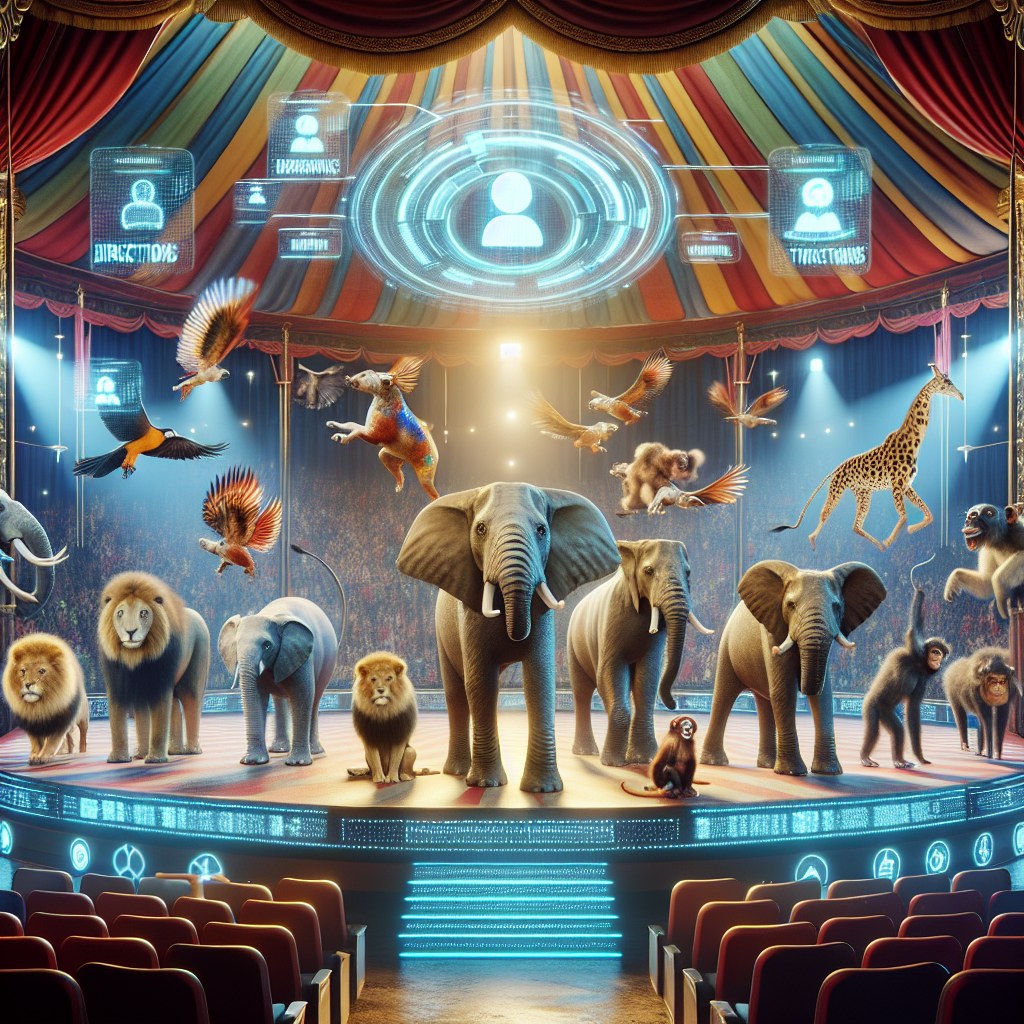
The use of artificial intelligence (AI) in circus animal training is a controversial topic that has sparked much debate among animal rights activists, trainers, and spectators. While some argue that AI can revolutionize the way animals are trained and perform in circuses, others are concerned about the ethical implications of using technology to control and manipulate animals for entertainment purposes.
Despite the controversy surrounding the use of AI in circus animal training, there is no denying that the technology has the potential to enhance the lives of both animals and trainers. By harnessing the power of AI, trainers can create lifelike and impressive performances that captivate audiences and showcase the intelligence and capabilities of their animal performers.
One of the key benefits of using AI in circus animal training is its ability to analyze and interpret data in real-time, allowing trainers to customize training programs to meet the specific needs and abilities of each animal. AI can track an animal’s progress, identify areas for improvement, and adjust training techniques accordingly, leading to faster and more effective learning outcomes.
In addition, AI can be used to simulate a wide range of scenarios and environments, allowing animals to practice and perfect their performances in a safe and controlled setting. This not only reduces the risk of injury to the animals but also ensures that they are well-prepared for the demands of a live performance.
Furthermore, AI can be used to enhance the communication between trainers and animals, allowing for more precise and effective cues and commands. By using AI-powered devices such as smart collars or wearable sensors, trainers can monitor an animal’s movements and behavior in real-time, providing instant feedback and guidance to help them improve their performance.
Another advantage of using AI in circus animal training is its potential to create new and innovative performance experiences for audiences. By combining AI with other technologies such as augmented reality (AR) and virtual reality (VR), trainers can create immersive and interactive shows that blur the line between reality and fantasy, captivating and engaging spectators in new and exciting ways.
Despite these benefits, there are also concerns and challenges associated with the use of AI in circus animal training. Critics argue that using technology to control and manipulate animals for entertainment purposes is unethical and goes against the principles of animal welfare. They raise concerns about the potential for AI to be used to force animals to perform unnatural behaviors or to push them beyond their physical and mental limits.
Moreover, there are also concerns about the impact of AI on the relationship between trainers and animals. Some fear that relying too heavily on technology could lead to a disconnect between trainers and animals, reducing the bond and trust that is essential for successful training and performance.
In response to these concerns, many circus companies are implementing strict ethical guidelines and protocols to ensure the responsible and humane use of AI in animal training. Trainers are required to undergo extensive training and certification programs to ensure they are equipped to use AI in a safe and ethical manner. Additionally, regular monitoring and oversight are conducted to ensure that animals are treated with respect and care throughout the training process.
Overall, the role of AI in circus animal training is a complex and multifaceted issue that requires careful consideration and thoughtful discussion. While the technology has the potential to revolutionize the way animals are trained and perform in circuses, it is essential that we approach its use with caution and respect for the welfare of the animals involved.
FAQs:
Q: Is it ethical to use AI in circus animal training?
A: The ethical implications of using AI in circus animal training are a matter of debate. While some argue that AI can enhance the lives of animals and create impressive performances, others raise concerns about the potential for technology to be used to control and manipulate animals for entertainment purposes. It is essential that trainers and circus companies adhere to strict ethical guidelines and protocols to ensure the responsible and humane use of AI in animal training.
Q: How does AI enhance the training and performance of circus animals?
A: AI can analyze and interpret data in real-time, track an animal’s progress, simulate scenarios and environments, enhance communication between trainers and animals, and create new and innovative performance experiences for audiences. By harnessing the power of AI, trainers can customize training programs, improve learning outcomes, ensure the safety of animals, and create engaging and captivating performances.
Q: What measures are in place to ensure the welfare of animals in circus training?
A: Circus companies are implementing strict ethical guidelines and protocols to ensure the responsible and humane use of AI in animal training. Trainers undergo extensive training and certification programs, and regular monitoring and oversight are conducted to ensure that animals are treated with respect and care throughout the training process. It is essential that trainers and circus companies prioritize the welfare of animals and adhere to best practices in animal training.