
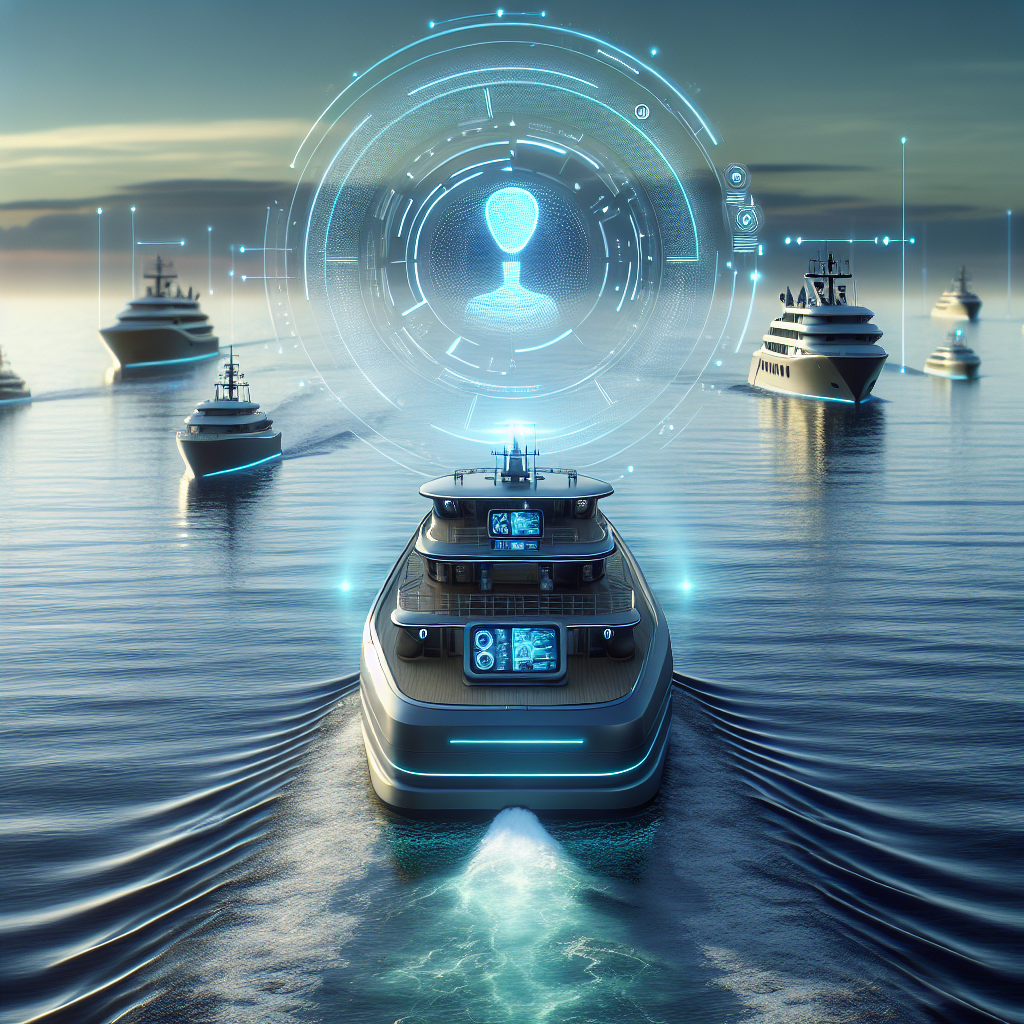
The Role of AI in Autonomous Boats and Ships
Introduction
Autonomous boats and ships are becoming increasingly popular in the maritime industry, with companies and researchers exploring the use of artificial intelligence (AI) to enhance their capabilities. AI technology has the potential to revolutionize the way boats and ships operate, allowing them to navigate and make decisions autonomously without the need for human intervention. In this article, we will explore the role of AI in autonomous boats and ships, the benefits it offers, and the challenges that need to be overcome for widespread adoption.
Benefits of AI in Autonomous Boats and Ships
1. Increased Safety: One of the primary benefits of AI in autonomous boats and ships is the increased safety it offers. By using AI algorithms to analyze data from sensors and cameras, autonomous vessels can navigate through complex environments and avoid collisions with other boats, obstacles, or hazardous conditions. This can help prevent accidents and ensure the safety of crew members and cargo.
2. Cost Savings: Autonomous boats and ships can operate more efficiently than traditional vessels, leading to cost savings for companies. AI technology can optimize routes, fuel consumption, and maintenance schedules, reducing operational expenses and improving the overall profitability of shipping operations.
3. Environmental Benefits: AI-powered autonomous boats and ships can help reduce the environmental impact of maritime transportation. By optimizing routes and fuel consumption, these vessels can lower greenhouse gas emissions and reduce their carbon footprint, contributing to a more sustainable shipping industry.
4. Increased Efficiency: AI technology enables autonomous boats and ships to make real-time decisions based on data collected from sensors and other sources. This allows them to adapt to changing conditions, such as weather, traffic, or obstacles, and optimize their performance to achieve maximum efficiency in terms of speed, fuel consumption, and cargo handling.
Challenges of AI in Autonomous Boats and Ships
While AI offers many benefits for autonomous boats and ships, there are also several challenges that need to be addressed for widespread adoption:
1. Regulation: The maritime industry is highly regulated, and the use of AI in autonomous vessels raises legal and regulatory concerns. There are currently no global standards or guidelines for the operation of autonomous boats and ships, which can hinder their adoption and deployment in commercial operations.
2. Cybersecurity: Autonomous boats and ships rely on AI algorithms to make decisions and navigate through the water. However, these systems are vulnerable to cyber attacks, which can compromise the safety and security of the vessel, its crew, and its cargo. Ensuring the cybersecurity of autonomous vessels is a critical challenge that needs to be addressed.
3. Human-Machine Interaction: While autonomous boats and ships can operate without human intervention, there are still situations where human intervention may be necessary. Ensuring smooth communication and collaboration between AI systems and human operators is essential to ensure the safe and efficient operation of autonomous vessels.
4. Ethical Considerations: The use of AI in autonomous boats and ships raises ethical considerations, such as accountability, liability, and transparency. Who is responsible in case of accidents or errors caused by AI systems? How can we ensure that AI algorithms are fair, unbiased, and transparent in their decision-making processes?
FAQs
Q: How do AI algorithms navigate through the water?
A: AI algorithms use data from sensors, cameras, and other sources to analyze the environment and make decisions about navigation, route planning, and collision avoidance. These algorithms can detect obstacles, other vessels, and hazardous conditions in the water, allowing autonomous boats and ships to navigate safely and efficiently.
Q: Can autonomous boats and ships operate in all weather conditions?
A: Autonomous boats and ships are designed to operate in a variety of weather conditions, but their performance may be affected by severe weather, such as storms, high winds, or rough seas. AI algorithms can help these vessels adapt to changing weather conditions and optimize their performance to ensure safe and efficient operation.
Q: How are AI systems trained to operate autonomous boats and ships?
A: AI systems are trained using machine learning algorithms that analyze data collected from sensors, cameras, and other sources. These algorithms learn from past experiences and interactions to improve their decision-making capabilities and adapt to new situations. Training AI systems for autonomous boats and ships requires a combination of simulation, real-world testing, and continuous learning to ensure optimal performance.
Q: What are the key technologies used in autonomous boats and ships?
A: Autonomous boats and ships rely on a variety of technologies, including sensors (such as radar, lidar, and sonar), cameras, GPS, communication systems, and AI algorithms. These technologies work together to collect data, analyze the environment, make decisions, and navigate through the water autonomously.
Conclusion
AI technology has the potential to revolutionize the maritime industry by enabling the development of autonomous boats and ships that can operate safely, efficiently, and sustainably. While there are challenges that need to be addressed, such as regulation, cybersecurity, human-machine interaction, and ethical considerations, the benefits of AI in autonomous vessels are significant and can lead to a more innovative and competitive shipping industry. By leveraging AI technology, companies and researchers can unlock new opportunities for autonomous boats and ships, paving the way for a more connected, intelligent, and autonomous maritime future.