
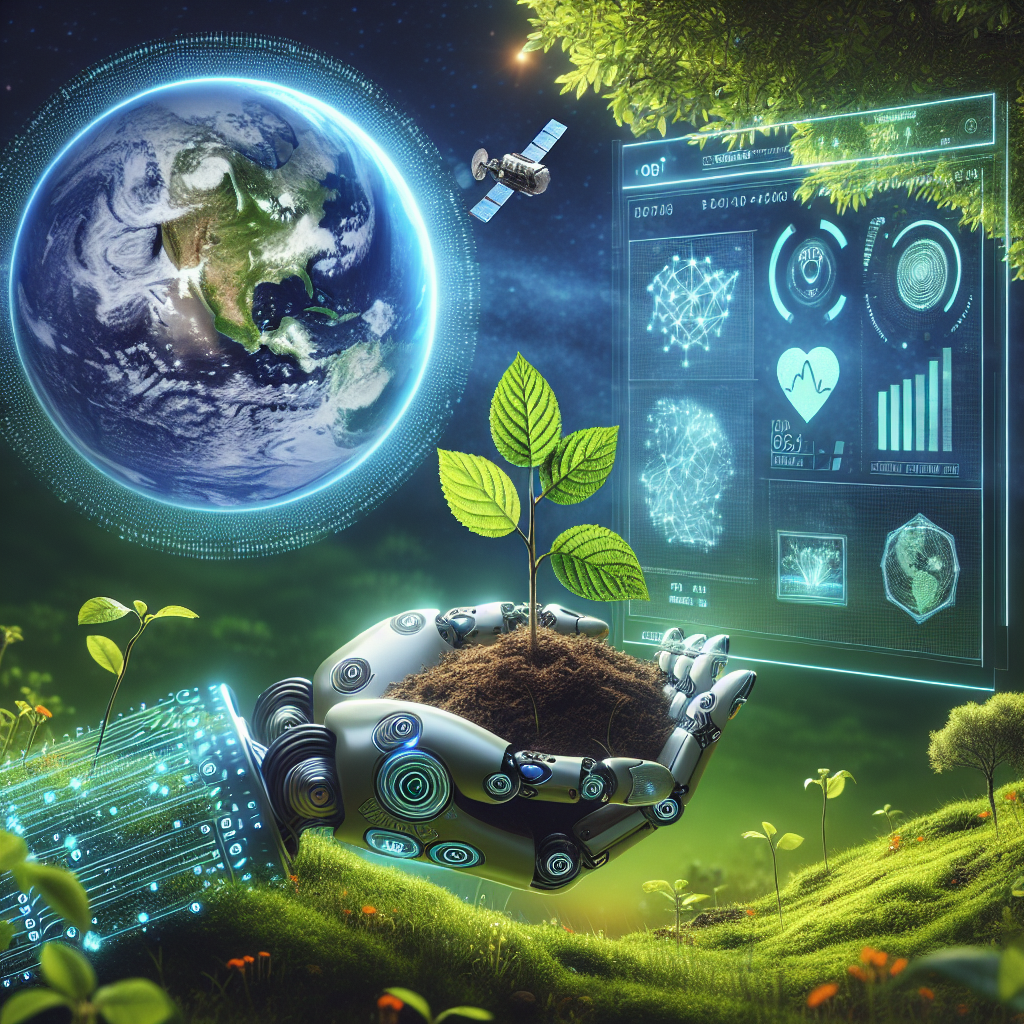
The Role of AI and Machine Learning in Environmental Conservation
In recent years, the use of artificial intelligence (AI) and machine learning has become increasingly prevalent in various industries, including environmental conservation. These technologies have the potential to revolutionize the way we approach conservation efforts, helping us to better understand and protect our natural world. In this article, we will explore the role of AI and machine learning in environmental conservation, discussing their applications, benefits, and challenges.
Applications of AI and Machine Learning in Environmental Conservation
AI and machine learning technologies have a wide range of applications in environmental conservation. Some of the key areas where they are being used include:
1. Wildlife conservation: AI and machine learning can be used to monitor and track wildlife populations in real-time. For example, researchers can use AI-powered drones to survey and track animals in remote areas, helping them to better understand their behavior and habitat requirements. Machine learning algorithms can also be used to analyze large amounts of data collected from camera traps, satellite images, and other sources to identify patterns and trends in wildlife populations.
2. Conservation planning: AI and machine learning can help conservationists to develop more effective conservation strategies. By analyzing data on species distribution, habitat quality, and other factors, these technologies can help to identify areas that are most in need of protection and prioritize conservation efforts accordingly. Machine learning algorithms can also be used to predict the potential impacts of climate change and other threats on biodiversity, helping conservationists to plan for the future.
3. Illegal poaching and logging: AI and machine learning can be used to detect and deter illegal poaching and logging activities. For example, conservation organizations can use AI-powered drones to monitor protected areas and identify suspicious activities in real-time. Machine learning algorithms can also be used to analyze data from satellite images and other sources to identify patterns of illegal activity and predict where it is likely to occur.
4. Climate change monitoring: AI and machine learning can help to monitor and analyze the impacts of climate change on the environment. These technologies can be used to analyze large amounts of data on temperature, precipitation, sea level rise, and other climate-related variables to identify trends and patterns. Machine learning algorithms can also be used to develop predictive models of how climate change is likely to impact ecosystems and species in the future.
Benefits of AI and Machine Learning in Environmental Conservation
There are several key benefits of using AI and machine learning in environmental conservation:
1. Improved data analysis: AI and machine learning technologies can analyze large amounts of data quickly and efficiently, helping conservationists to identify patterns and trends that would be difficult to detect using traditional methods. This can lead to more informed decision-making and more effective conservation strategies.
2. Real-time monitoring: AI-powered drones and other technologies can provide real-time monitoring of wildlife populations and habitats, allowing conservationists to respond quickly to threats and changes in the environment. This can help to prevent poaching, habitat destruction, and other threats to biodiversity.
3. Cost-effective solutions: AI and machine learning technologies can help to reduce the cost of conservation efforts by automating data collection and analysis processes. This can free up resources for other conservation activities and make it easier for organizations with limited funding to implement effective conservation strategies.
Challenges of AI and Machine Learning in Environmental Conservation
While AI and machine learning have the potential to revolutionize environmental conservation, there are also several challenges that need to be addressed:
1. Data quality and availability: AI and machine learning algorithms rely on large amounts of high-quality data to produce accurate results. However, data on wildlife populations, habitat quality, and other environmental variables can be limited or of poor quality in many cases. Improving data collection and sharing practices is essential to the success of AI and machine learning in conservation.
2. Ethical considerations: The use of AI and machine learning in conservation raises ethical concerns, such as privacy issues related to the monitoring of wildlife populations and the potential for unintended consequences of conservation interventions. It is important for conservation organizations to consider these ethical issues and develop guidelines for the responsible use of AI and machine learning technologies.
3. Technical challenges: AI and machine learning technologies can be complex and require specialized expertise to implement and maintain. Conservation organizations may need to invest in training and capacity-building to effectively use these technologies in their conservation efforts.
FAQs
Q: How can AI and machine learning help to protect endangered species?
A: AI and machine learning technologies can be used to monitor and track endangered species, analyze data on their habitat requirements, and develop predictive models of how they are likely to respond to threats such as climate change and habitat loss. This information can help conservationists to develop more effective conservation strategies to protect endangered species.
Q: What are some examples of AI-powered tools used in environmental conservation?
A: Some examples of AI-powered tools used in environmental conservation include drones equipped with AI algorithms for wildlife monitoring, machine learning models for analyzing satellite images to detect deforestation, and predictive models for assessing the impacts of climate change on biodiversity.
Q: How can AI and machine learning help to combat illegal poaching and logging?
A: AI and machine learning technologies can be used to monitor protected areas and identify patterns of illegal activity, such as poaching and logging. By analyzing data from drones, camera traps, and other sources, conservation organizations can detect and deter illegal activities more effectively.
Q: What are some potential future applications of AI and machine learning in environmental conservation?
A: Some potential future applications of AI and machine learning in environmental conservation include using predictive models to assess the impacts of climate change on ecosystems, developing automated monitoring systems for tracking wildlife populations, and using AI-powered robots to remove invasive species from fragile habitats.
In conclusion, AI and machine learning have the potential to transform the field of environmental conservation, helping us to better understand and protect our natural world. By harnessing the power of these technologies, conservationists can develop more effective strategies for protecting biodiversity, combating illegal activities, and mitigating the impacts of climate change. While there are challenges to overcome, the benefits of using AI and machine learning in conservation are clear, and their continued development and implementation will be crucial for the future of our planet.