
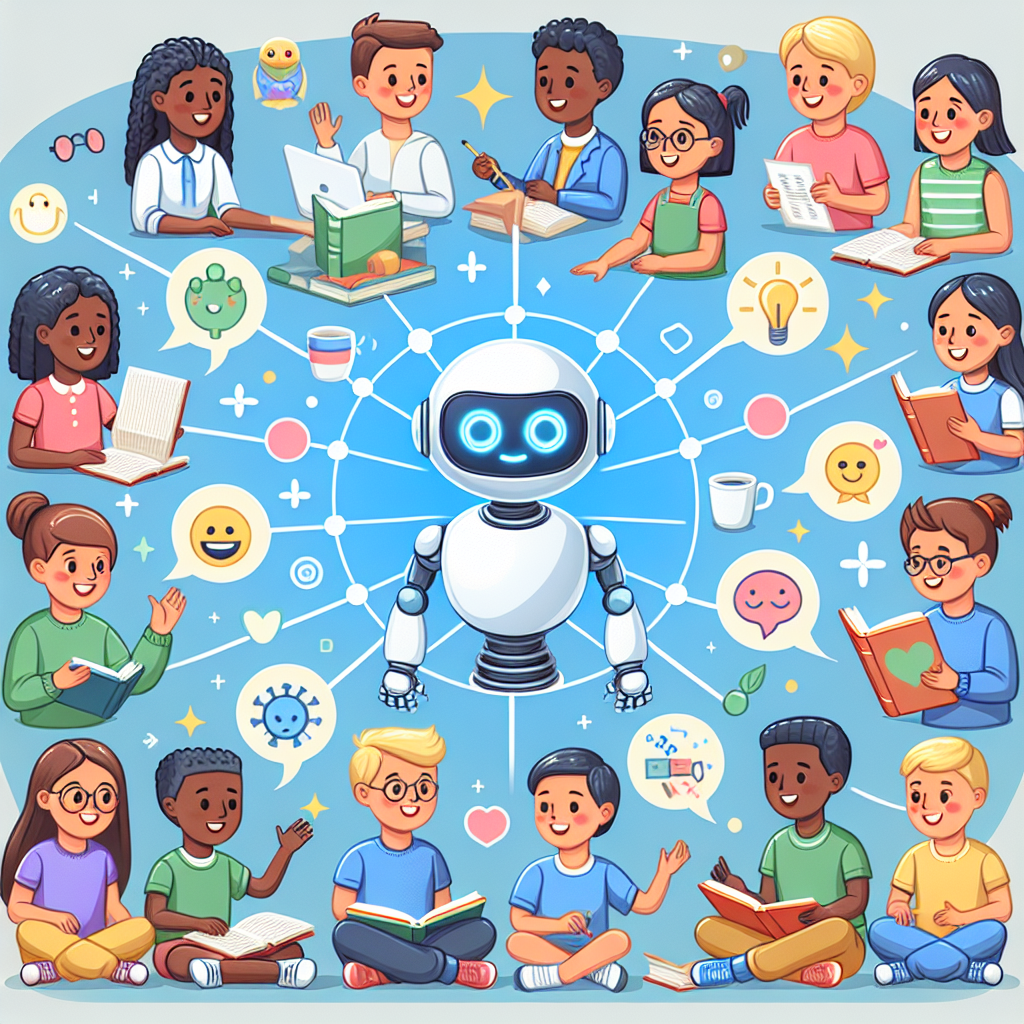
Artificial Intelligence (AI) and Social Emotional Learning (SEL) are two major trends that are reshaping the landscape of education. As technology continues to advance, educators are exploring how AI can be used to enhance SEL in the classroom. In this article, we will discuss the intersection of AI and SEL in education, the benefits and challenges of implementing AI in SEL programs, and how educators can leverage these technologies to support students’ emotional and social development.
What is Social Emotional Learning?
Social Emotional Learning is the process through which individuals develop the skills to understand and manage their emotions, set and achieve positive goals, feel and show empathy for others, establish and maintain positive relationships, and make responsible decisions. These skills are essential for students to succeed academically, socially, and emotionally. SEL programs are designed to help students develop these skills through explicit instruction, practice, and reinforcement.
Why is Social Emotional Learning important in education?
Research has shown that SEL plays a critical role in students’ academic success and overall well-being. Students who have strong social and emotional skills are better able to manage stress, build positive relationships, and make responsible decisions. These skills are also linked to higher academic achievement, improved behavior, and a reduced risk of mental health issues. By integrating SEL into the curriculum, educators can create a positive and supportive learning environment that meets the diverse needs of all students.
What is Artificial Intelligence?
Artificial Intelligence is a branch of computer science that focuses on creating intelligent machines that can perform tasks that typically require human intelligence, such as problem-solving, learning, and decision-making. AI technologies, such as machine learning and natural language processing, are increasingly being used in various industries to automate processes, analyze data, and improve efficiency.
How can AI enhance Social Emotional Learning in education?
AI has the potential to enhance SEL programs in several ways. For example, AI-powered tools can analyze students’ social and emotional data to provide personalized feedback and recommendations for improvement. These tools can also help educators track students’ progress, identify areas of need, and tailor instruction to meet individual students’ needs. Additionally, AI can be used to create immersive and engaging learning experiences that promote social and emotional skills through interactive simulations, games, and virtual reality.
One of the key benefits of using AI in SEL programs is its ability to provide real-time feedback and support to students. For example, AI-powered chatbots can engage students in conversations about their emotions, provide coping strategies for managing stress, and offer encouragement and support. These virtual assistants can also help students practice social and emotional skills in a safe and non-judgmental environment, where they can learn from their mistakes and receive immediate feedback on their progress.
Another benefit of using AI in SEL programs is its ability to analyze large amounts of data to identify patterns and trends in students’ social and emotional development. By analyzing students’ interactions, behaviors, and emotions, AI can help educators gain insights into students’ strengths and areas of improvement, as well as identify students who may be at risk of falling behind or experiencing emotional distress. This data-driven approach can help educators make more informed decisions about how to support students’ social and emotional well-being.
What are the challenges of implementing AI in Social Emotional Learning?
While AI has the potential to enhance SEL programs, there are also several challenges that educators may face when implementing these technologies in the classroom. One of the main challenges is the lack of expertise and resources needed to develop and implement AI-powered tools for SEL. Educators may not have the technical skills or knowledge required to design and integrate AI technologies into their existing curriculum, and schools may not have the funding or support needed to invest in these tools.
Another challenge is the potential for bias and ethical issues in AI systems. AI algorithms are only as good as the data they are trained on, and if the data used to train these systems is biased or incomplete, the AI tools may produce inaccurate or unfair results. Educators must be aware of these potential biases and take steps to ensure that AI systems are designed and implemented in a way that is fair, transparent, and ethical.
How can educators leverage AI to support Social Emotional Learning?
Despite the challenges, educators can leverage AI to support SEL in the classroom by partnering with technology companies, universities, and research institutions that specialize in AI and education. These partnerships can help educators access the expertise, resources, and support needed to develop and implement AI-powered tools for SEL. Educators can also collaborate with other schools and districts that are using AI in SEL programs to share best practices, lessons learned, and success stories.
In addition, educators can advocate for policies and funding to support the integration of AI in SEL programs. By raising awareness about the benefits of using AI in education, educators can help secure the resources needed to invest in these technologies and ensure that all students have access to high-quality SEL programs that leverage the power of AI.
FAQs:
1. Can AI replace human teachers in Social Emotional Learning?
While AI can enhance SEL programs by providing personalized feedback and support to students, it cannot replace the role of human teachers in fostering social and emotional skills. Educators play a critical role in creating a positive and supportive learning environment, building relationships with students, and modeling social and emotional skills. AI tools should be used to complement, rather than replace, the work of human teachers in supporting students’ social and emotional development.
2. How can educators ensure that AI systems are fair and unbiased in Social Emotional Learning?
Educators can ensure that AI systems are fair and unbiased in SEL programs by working with technology experts, conducting regular audits of the data used to train these systems, and implementing safeguards to prevent bias and discrimination. Educators should also involve students, parents, and other stakeholders in the design and implementation of AI tools to ensure that these systems meet the diverse needs of all students and promote equity and inclusion.
3. What are some examples of AI-powered tools for Social Emotional Learning?
There are several examples of AI-powered tools that can support SEL in education, such as chatbots that engage students in conversations about their emotions, virtual reality simulations that help students practice social and emotional skills, and data analytics platforms that analyze students’ social and emotional data to provide insights and recommendations for improvement. These tools can help educators create engaging and personalized learning experiences that promote students’ social and emotional well-being.
In conclusion, AI has the potential to enhance Social Emotional Learning in education by providing personalized feedback, tracking students’ progress, and creating immersive learning experiences that promote social and emotional skills. While there are challenges to implementing AI in SEL programs, educators can leverage these technologies to support students’ emotional and social development by partnering with technology companies, advocating for policies and funding, and ensuring that AI systems are fair and unbiased. By harnessing the power of AI, educators can create a more inclusive and supportive learning environment that meets the diverse needs of all students.