
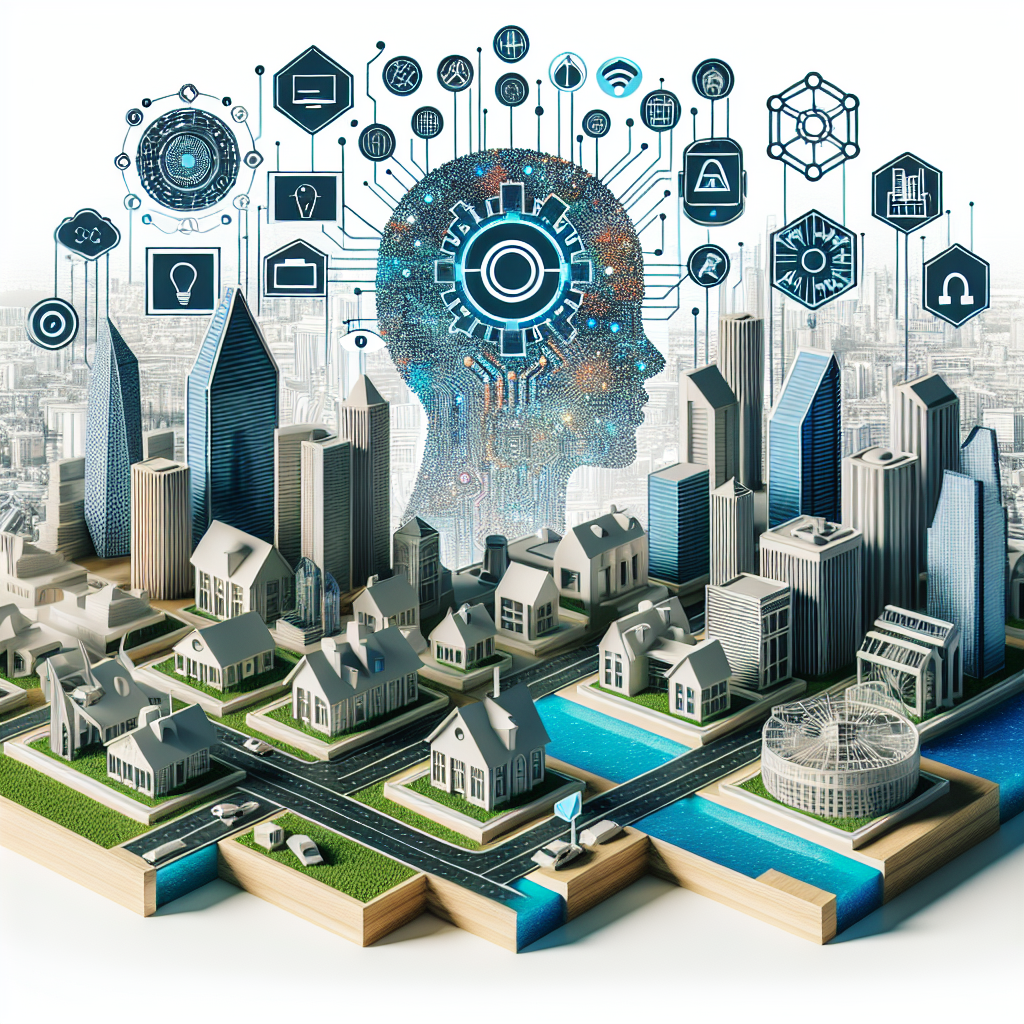
Artificial Intelligence (AI) has rapidly transformed various industries, including architecture. The use of AI in architectural design has revolutionized the way buildings are conceptualized, designed, and constructed. By leveraging AI algorithms and machine learning, architects can now create innovative and efficient architectural typologies that were previously unimaginable. This article explores the evolution of architectural typologies through the integration of AI technology and its impact on the future of architecture.
Evolution of Architectural Typologies
Architectural typologies refer to the various forms and styles of buildings that have been developed over time. These typologies are influenced by factors such as culture, climate, technology, and materials. Traditionally, architectural typologies were limited by the knowledge and creativity of architects, as well as the constraints of manual design processes. However, with the advent of AI technology, architects now have access to powerful tools that can analyze vast amounts of data, generate design options, and optimize building performance.
One of the key ways in which AI has influenced the evolution of architectural typologies is through generative design. Generative design is a process that uses algorithms to generate multiple design solutions based on a set of constraints and goals. By inputting parameters such as site conditions, program requirements, and sustainability goals, architects can use generative design software to explore a wide range of design possibilities in a fraction of the time it would take using traditional methods.
Generative design allows architects to push the boundaries of conventional architectural typologies and create buildings that are more efficient, sustainable, and responsive to their environment. For example, AI algorithms can optimize building forms to maximize natural light, minimize energy consumption, and improve occupant comfort. By analyzing data on solar radiation, wind patterns, and thermal performance, architects can design buildings that are tailored to their specific context and climate.
Another way in which AI is shaping architectural typologies is through parametric design. Parametric design is a process that uses algorithms to generate complex geometric forms based on a set of parameters. Architects can use parametric design software to create intricate and unique building shapes that would be impossible to achieve through manual design methods. Parametric design allows architects to explore new formal languages and aesthetic possibilities, leading to the creation of iconic and innovative architectural typologies.
The integration of AI technology in architectural design also enables architects to optimize building performance and efficiency. By using simulation software, architects can analyze the environmental impact of their designs, such as energy consumption, daylighting, and thermal comfort. This data-driven approach allows architects to make informed decisions that enhance the sustainability and livability of buildings. AI algorithms can also optimize structural systems, material usage, and construction processes to reduce waste and costs, while improving the overall performance of the building.
The Future of Architectural Typologies
As AI technology continues to advance, the future of architectural typologies is likely to be shaped by even more innovative and sustainable design solutions. With the proliferation of data-driven design tools, architects will have the ability to create buildings that are optimized for performance, efficiency, and user experience. AI algorithms can analyze vast amounts of data to predict future trends, anticipate user needs, and optimize design solutions in real-time.
One of the emerging trends in architectural typologies is the use of AI to design responsive and adaptive buildings. By integrating sensors, actuators, and AI algorithms, architects can create buildings that can dynamically adjust their form, layout, and environmental conditions in response to changing user needs and external factors. For example, buildings can adapt to changes in occupancy, weather conditions, and energy demand to improve comfort, efficiency, and sustainability.
Another potential application of AI in architectural typologies is the use of autonomous construction robots. These robots can autonomously assemble building components, such as walls, floors, and facades, with precision and efficiency. By leveraging AI algorithms, architects can design buildings that are optimized for robotic construction, leading to faster, safer, and more cost-effective construction processes. Autonomous construction robots can also enable the fabrication of complex and bespoke architectural elements that would be difficult to achieve using traditional construction methods.
Furthermore, AI can facilitate the creation of buildings that are more inclusive and accessible for all users. By analyzing data on user preferences, behavior, and accessibility requirements, architects can design buildings that are tailored to the diverse needs of their occupants. AI algorithms can optimize building layouts, circulation paths, and amenities to enhance the usability and comfort of buildings for people of all ages, abilities, and backgrounds.
Frequently Asked Questions (FAQs)
Q: How does AI impact the creativity of architects in the design process?
A: AI can enhance the creativity of architects by providing them with powerful tools for generating and exploring design possibilities. By automating repetitive tasks, analyzing vast amounts of data, and generating design options, AI technology allows architects to focus on the more creative and innovative aspects of architectural design.
Q: Can AI algorithms replace human architects in the design process?
A: While AI technology can assist architects in generating design options and optimizing building performance, it cannot replace the creative intuition, expertise, and experience of human architects. AI is a tool that augments the capabilities of architects, enabling them to explore new design possibilities and improve the efficiency and sustainability of their designs.
Q: How can architects leverage AI technology to enhance the sustainability of buildings?
A: Architects can use AI technology to analyze environmental data, optimize building performance, and reduce energy consumption in buildings. By simulating the environmental impact of design options, architects can make informed decisions that enhance the sustainability and resilience of buildings. AI algorithms can also optimize material usage, construction processes, and operational strategies to reduce waste and minimize the carbon footprint of buildings.
Q: What are the ethical implications of using AI in architectural design?
A: The use of AI in architectural design raises ethical concerns related to data privacy, transparency, bias, and accountability. Architects must ensure that AI algorithms are used responsibly and ethically, taking into account the social, cultural, and environmental implications of their design decisions. It is important for architects to be transparent about the use of AI technology in the design process and to engage with stakeholders to address potential ethical issues.
In conclusion, the integration of AI technology in architectural design has revolutionized the way buildings are conceptualized, designed, and constructed. By leveraging AI algorithms, architects can create innovative and efficient architectural typologies that are optimized for performance, sustainability, and user experience. The future of architectural typologies is likely to be shaped by even more advanced AI tools and technologies that enable architects to push the boundaries of creativity, sustainability, and inclusivity in architectural design.