
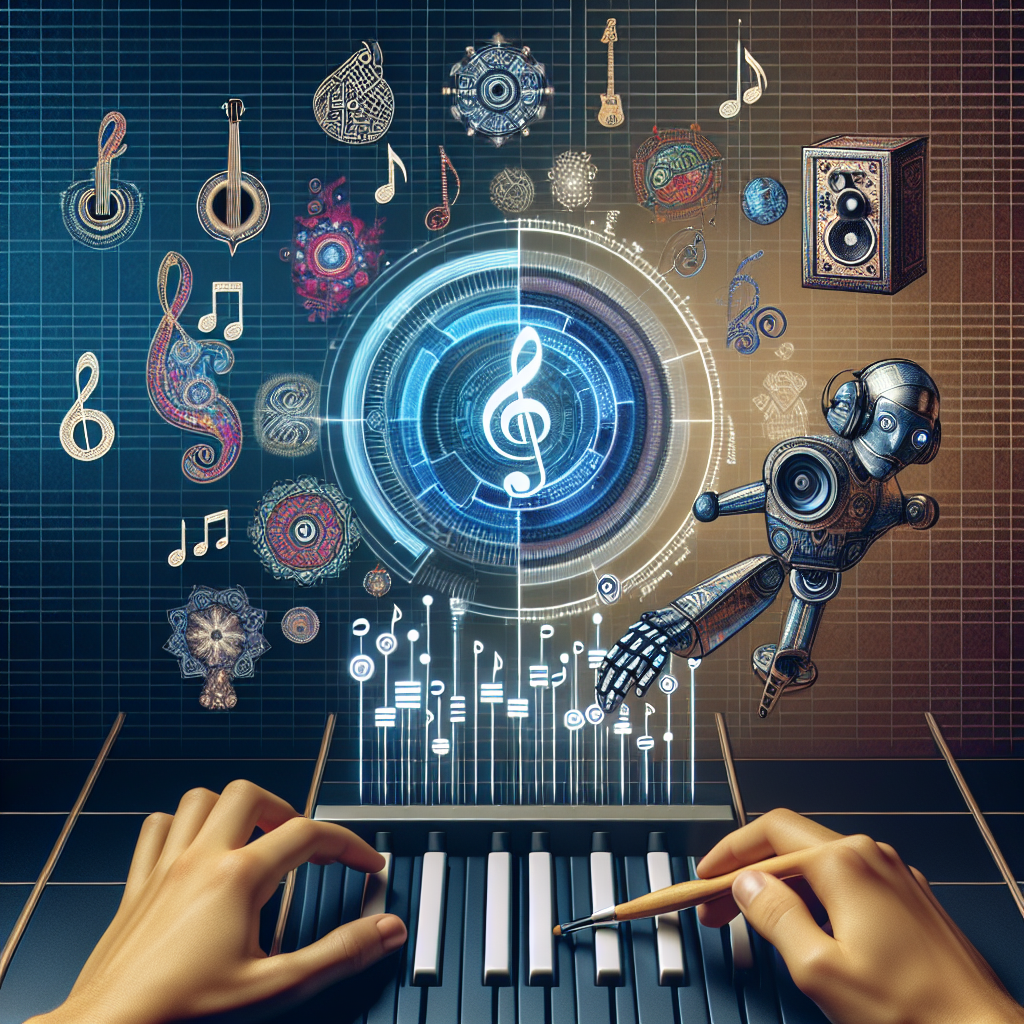
AI and the Future of Music Remix Culture
Artificial intelligence (AI) has been making waves in the music industry, revolutionizing the way music is created, produced, and consumed. One of the most exciting developments in this space is the impact AI is having on the remix culture, where artists take existing songs and create new versions by adding their own unique touch. AI is enabling musicians and producers to push the boundaries of creativity and innovation in remixing, opening up new possibilities for the future of music.
AI-powered tools and platforms are now allowing artists to remix songs in ways that were previously unimaginable. These tools use machine learning algorithms to analyze the structure and elements of a song, allowing users to manipulate and rearrange individual tracks, add effects, and create entirely new compositions. This level of flexibility and control is empowering artists to experiment with different sounds and styles, resulting in remixes that are truly original and innovative.
One of the key benefits of AI in the remix culture is the ability to automate and streamline the remixing process. Traditionally, remixing a song would involve hours of manual labor, from isolating individual tracks to syncing up tempo and key changes. With AI, these tasks can be done in a fraction of the time, allowing artists to focus on the creative aspects of remixing rather than the technical details. This has led to a proliferation of remixes being created and shared online, fueling a vibrant and dynamic remix culture.
AI is also helping to democratize the remix culture, making it more accessible to a wider audience. With AI-powered tools available on affordable software platforms, anyone with a computer and an internet connection can now try their hand at remixing. This has led to a surge in amateur remixes being shared on social media and streaming platforms, creating a diverse and eclectic remix culture that is constantly evolving and expanding.
In addition to empowering artists and producers, AI is also changing the way audiences interact with music. AI algorithms are being used to personalize music recommendations and playlists, curating content based on individual preferences and listening habits. This has the potential to expose listeners to new remixes and genres they may not have discovered otherwise, leading to a more diverse and inclusive music landscape.
However, as AI continues to shape the future of music remix culture, there are also concerns and challenges that need to be addressed. One of the main concerns is the potential loss of human creativity and originality in remixing, as AI algorithms are used to generate and manipulate music. While AI can help artists explore new sonic possibilities and push the boundaries of remixing, there is a risk that the music created may lack the emotional depth and authenticity that comes from human creativity.
Another challenge is the issue of copyright and intellectual property rights in AI-generated remixes. As AI becomes more sophisticated and capable of creating music that rivals human compositions, questions arise about who owns the rights to AI-generated remixes and how they should be credited and compensated. This is a complex legal and ethical issue that will need to be addressed as AI becomes more prevalent in the music industry.
Despite these challenges, the future of music remix culture looks bright with the integration of AI. With the power of AI, artists and producers can push the boundaries of creativity and innovation, creating remixes that are truly groundbreaking and unique. The democratization of remix culture through AI-powered tools is allowing a new generation of artists to experiment and collaborate in ways that were previously impossible, leading to a more vibrant and diverse music landscape.
FAQs:
Q: How is AI changing the way remixes are created?
A: AI is revolutionizing the remix culture by providing artists and producers with powerful tools and platforms that automate and streamline the remixing process. These tools use machine learning algorithms to analyze and manipulate individual tracks, allowing users to experiment with different sounds and styles in ways that were previously unimaginable.
Q: What are the benefits of AI in the remix culture?
A: AI is empowering artists to explore new sonic possibilities and push the boundaries of creativity in remixing. By automating technical tasks and providing flexible tools, AI is enabling artists to focus on the creative aspects of remixing, resulting in remixes that are truly original and innovative. Additionally, AI is democratizing the remix culture by making it more accessible to a wider audience.
Q: What are the concerns and challenges of AI in remixing?
A: One of the main concerns is the potential loss of human creativity and originality in remixing as AI algorithms are used to generate and manipulate music. There are also challenges related to copyright and intellectual property rights in AI-generated remixes, as questions arise about ownership and compensation for music created by AI.
Q: How can AI help audiences discover new music and remixes?
A: AI algorithms are being used to personalize music recommendations and playlists, curating content based on individual preferences and listening habits. This can expose listeners to new remixes and genres they may not have discovered otherwise, leading to a more diverse and inclusive music landscape.