
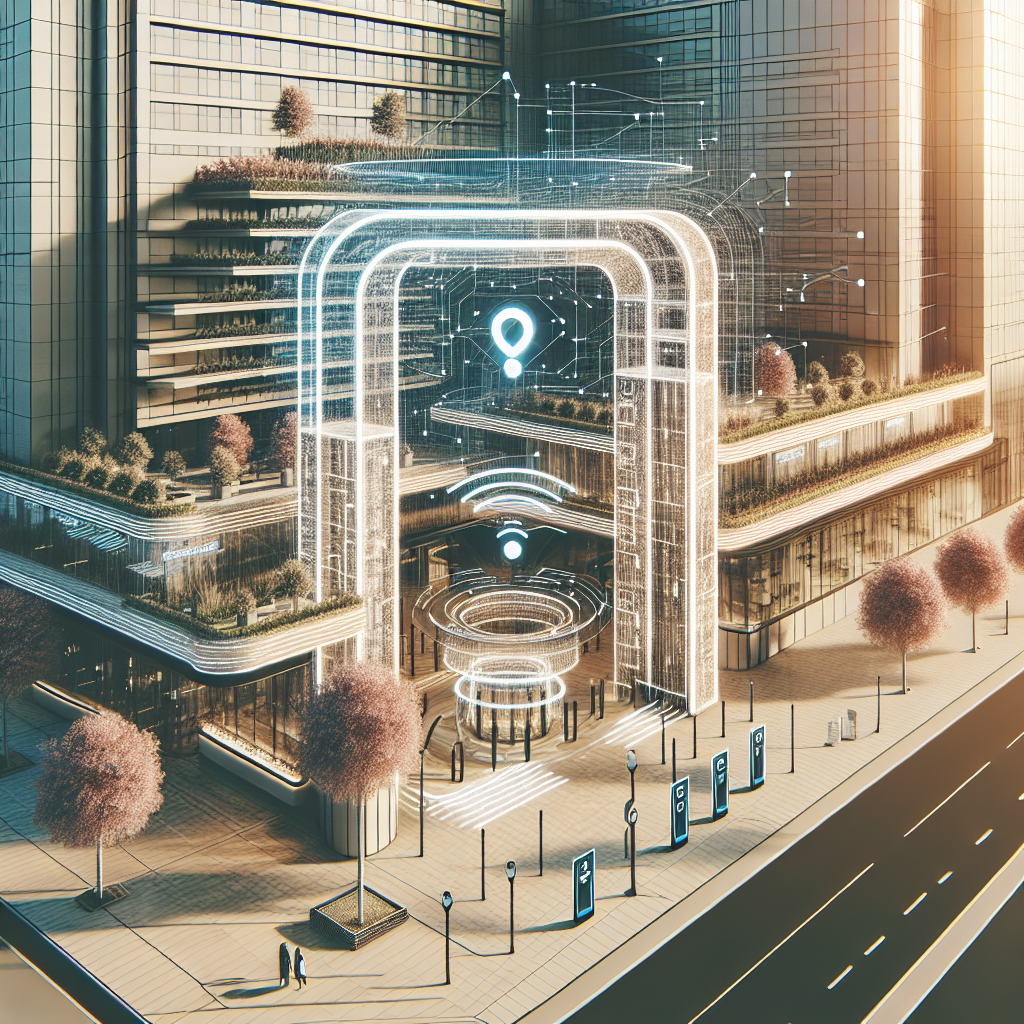
The Impact of AI on Hotel Design and Architecture
Artificial Intelligence (AI) has revolutionized many industries, and the hotel industry is no exception. AI technology is now being used to enhance the design and architecture of hotels, creating more efficient and personalized experiences for guests. From automated check-in processes to smart room features, AI is changing the way hotels are built and operated. In this article, we will explore the impact of AI on hotel design and architecture, and how it is shaping the future of hospitality.
AI in Hotel Design
AI technology is being used in hotel design to create more efficient and sustainable buildings. One way AI is being utilized is through the use of smart sensors and automation systems. These systems can monitor energy usage, temperature, and lighting in real-time, allowing hotels to optimize their energy consumption and reduce their carbon footprint.
AI can also be used to design more aesthetically pleasing and functional spaces. By analyzing guest preferences and behavior, AI algorithms can help designers create spaces that are more appealing to guests. For example, AI can analyze data on the most popular amenities and room layouts, allowing designers to create spaces that are more likely to attract guests.
Another way AI is impacting hotel design is through the use of virtual reality (VR) and augmented reality (AR) technology. Designers can now create virtual models of hotel spaces, allowing them to test different design elements and layouts before construction begins. This not only saves time and money but also allows designers to create more innovative and personalized spaces.
AI in Hotel Architecture
AI is also playing a significant role in hotel architecture, with architects using AI technology to create more efficient and sustainable buildings. One way AI is being used is through the use of generative design software, which uses algorithms to generate thousands of design options based on a set of criteria. This allows architects to explore a wider range of design possibilities and find the most efficient and cost-effective solutions.
AI can also be used to optimize building layouts and materials, reducing waste and improving energy efficiency. By analyzing data on building materials and construction techniques, AI algorithms can help architects design buildings that are more sustainable and environmentally friendly.
In addition, AI is being used to create more personalized and responsive hotel spaces. By analyzing guest preferences and behavior, AI algorithms can adjust room temperatures, lighting, and other amenities to create a more comfortable and enjoyable experience for guests. This not only improves guest satisfaction but also helps hotels to attract and retain customers.
FAQs
Q: How is AI being used in hotel design?
A: AI is being used in hotel design to create more efficient and sustainable buildings. AI technology can be used to monitor energy usage, optimize room layouts, and create virtual models of hotel spaces.
Q: How is AI impacting hotel architecture?
A: AI is impacting hotel architecture by helping architects create more efficient and sustainable buildings. AI technology can be used to generate design options, optimize building layouts, and create personalized and responsive hotel spaces.
Q: What are some examples of AI in hotel design and architecture?
A: Some examples of AI in hotel design and architecture include smart sensors and automation systems, generative design software, and virtual reality technology.
Q: How can AI improve the guest experience in hotels?
A: AI can improve the guest experience in hotels by analyzing guest preferences and behavior to create more personalized and responsive spaces. AI technology can adjust room temperatures, lighting, and other amenities to create a more comfortable and enjoyable experience for guests.
In conclusion, AI technology is revolutionizing the hotel industry, transforming the way hotels are designed and operated. From more efficient and sustainable buildings to personalized and responsive spaces, AI is shaping the future of hotel design and architecture. As AI technology continues to advance, we can expect to see even more innovative and creative uses of AI in the hospitality industry.