
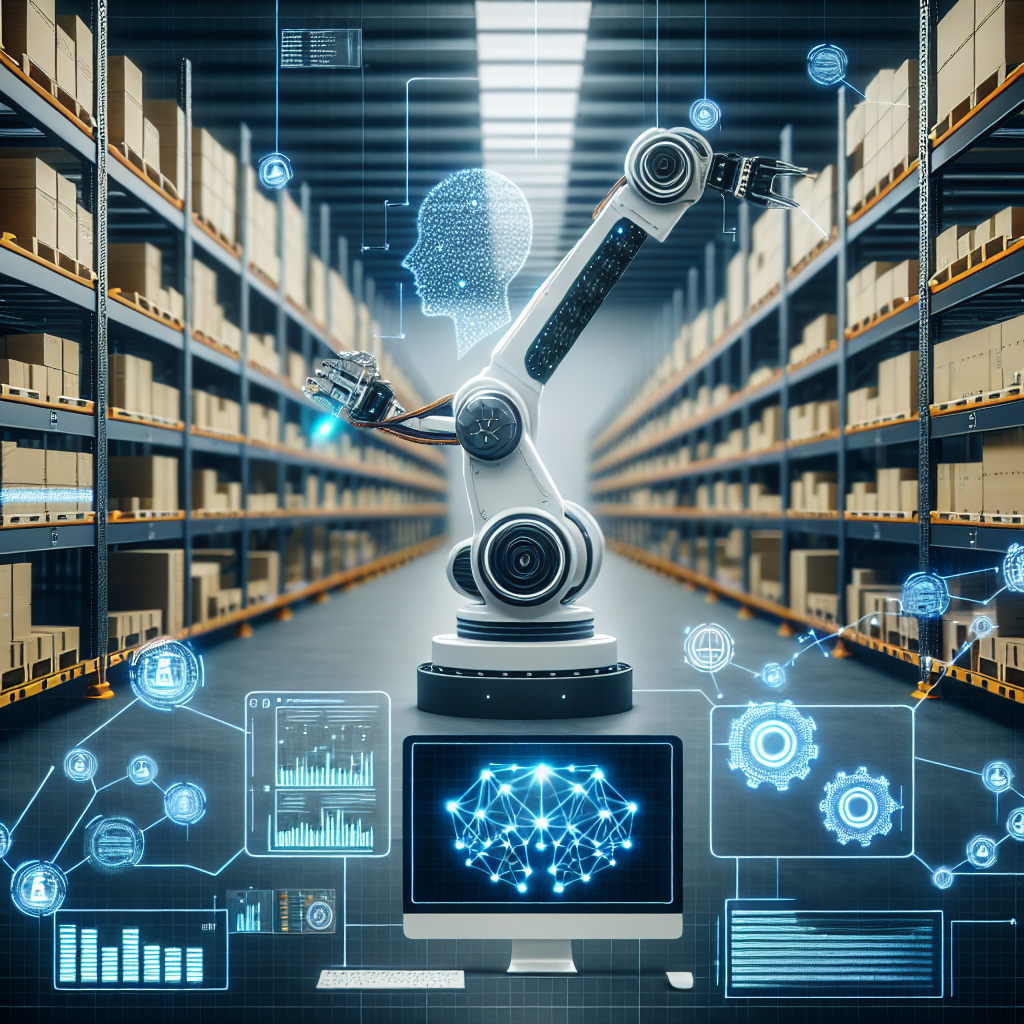
In today’s fast-paced manufacturing industry, just-in-time (JIT) production has become a popular strategy for minimizing waste and maximizing efficiency. JIT manufacturing involves producing goods only as they are needed, rather than stockpiling inventory. This approach can help companies reduce holding costs, improve cash flow, and respond quickly to changes in demand.
However, JIT manufacturing also comes with its own set of challenges, particularly when it comes to inventory management. Keeping inventory levels low while still meeting production demands can be a delicate balancing act. This is where AI-powered inventory management comes in.
AI-powered inventory management systems use advanced algorithms and machine learning techniques to analyze data and make accurate predictions about future demand. By leveraging AI technology, manufacturers can optimize their inventory levels, reduce stockouts, and improve overall efficiency.
Benefits of AI-Powered Inventory Management for JIT Manufacturing
1. Improved Forecasting Accuracy
One of the key benefits of AI-powered inventory management is its ability to improve forecasting accuracy. Traditional forecasting methods often rely on historical data and manual input, which can be prone to errors and inaccuracies. AI algorithms, on the other hand, can analyze vast amounts of data in real time and identify patterns and trends that humans may not be able to see. This allows manufacturers to make more accurate predictions about future demand, leading to better inventory management decisions.
2. Real-Time Inventory Tracking
AI-powered inventory management systems can provide real-time visibility into inventory levels, allowing manufacturers to track their stock levels and monitor changes in demand as they happen. This real-time data can help companies make more informed decisions about when to reorder inventory, how much to order, and where to allocate resources. This can help prevent stockouts, reduce excess inventory, and improve overall efficiency.
3. Demand Forecasting and Planning
AI-powered inventory management systems can also help manufacturers forecast demand more accurately and plan production schedules accordingly. By analyzing historical sales data, market trends, and other relevant factors, AI algorithms can predict future demand with a high degree of accuracy. This allows manufacturers to adjust their production schedules in real time and ensure that they have the right amount of inventory on hand to meet customer demands.
4. Reduced Costs and Waste
By optimizing inventory levels and reducing stockouts, AI-powered inventory management systems can help manufacturers reduce holding costs and minimize waste. Excess inventory can tie up valuable resources and lead to obsolescence, while stockouts can result in lost sales and dissatisfied customers. By using AI technology to optimize inventory levels, manufacturers can reduce costs, improve cash flow, and operate more efficiently.
5. Scalability and Flexibility
AI-powered inventory management systems are highly scalable and flexible, making them ideal for JIT manufacturing environments. These systems can easily adapt to changes in demand, production schedules, and market conditions, allowing manufacturers to respond quickly to fluctuations in the market. This scalability and flexibility can help companies stay competitive and agile in today’s fast-paced manufacturing industry.
FAQs
Q: How does AI-powered inventory management differ from traditional inventory management systems?
A: AI-powered inventory management systems use advanced algorithms and machine learning techniques to analyze data and make accurate predictions about future demand. Traditional inventory management systems often rely on manual input and historical data, which can be prone to errors and inaccuracies.
Q: How can AI-powered inventory management help manufacturers reduce costs?
A: By optimizing inventory levels, reducing stockouts, and minimizing waste, AI-powered inventory management systems can help manufacturers reduce holding costs, improve cash flow, and operate more efficiently. This can lead to significant cost savings over time.
Q: Are AI-powered inventory management systems easy to implement?
A: While implementing an AI-powered inventory management system can require some initial investment and training, many companies find that the benefits far outweigh the costs. With the right implementation strategy and support, manufacturers can quickly realize the benefits of AI-powered inventory management.
Q: Can AI-powered inventory management systems work with existing ERP systems?
A: Yes, many AI-powered inventory management systems are designed to integrate seamlessly with existing ERP systems and other software platforms. This integration allows manufacturers to leverage the power of AI technology while still using their existing systems and processes.
Q: How can manufacturers get started with AI-powered inventory management?
A: To get started with AI-powered inventory management, manufacturers can work with a trusted AI technology provider to assess their current inventory management processes, identify areas for improvement, and implement a customized solution. With the right support and expertise, manufacturers can quickly realize the benefits of AI-powered inventory management for JIT manufacturing.