
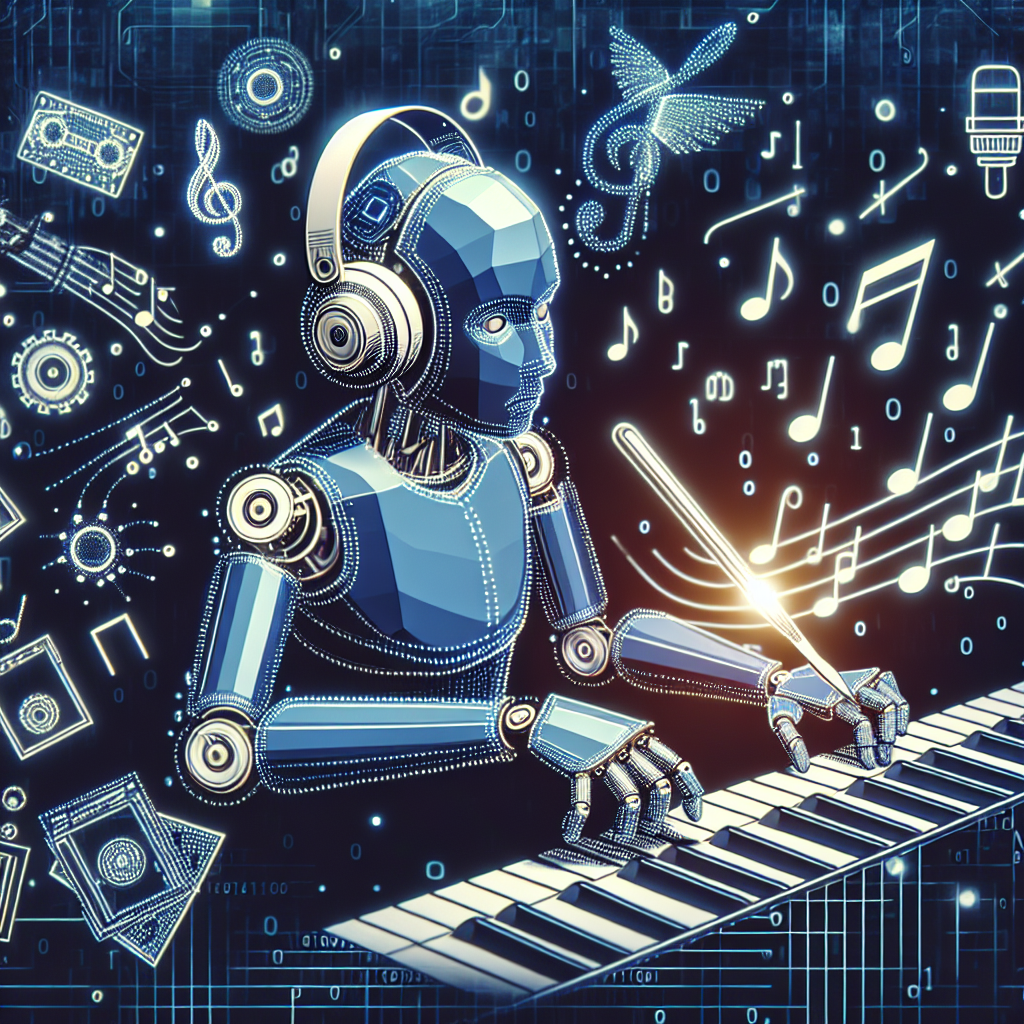
In recent years, the music and entertainment industries have seen a significant rise in the use of Artificial Intelligence (AI) to enhance creativity and personalization. From composing music to creating visual effects, AI has revolutionized the way artists and creators work, allowing for more innovative and personalized content than ever before. In this article, we will explore the various ways in which AI is being used in music and entertainment, and how it is shaping the future of these industries.
One of the most prominent uses of AI in music is in the field of music composition. AI algorithms can analyze vast amounts of musical data to generate new compositions that mimic the style of famous composers or create entirely new and unique pieces. This has opened up new possibilities for musicians and composers, allowing them to explore new genres and styles that they may not have otherwise considered. AI can also help musicians with the process of songwriting by suggesting chord progressions, melodies, and lyrics based on the input provided by the artist.
AI is also being used to personalize the music listening experience for users. Streaming platforms like Spotify and Apple Music use AI algorithms to analyze user data and preferences to create personalized playlists and recommendations. These algorithms take into account factors such as listening history, genre preferences, and mood to curate playlists that are tailored to each individual user. This not only helps users discover new music but also allows artists to reach a wider audience by being featured on personalized playlists.
In the field of entertainment, AI is being used to create more immersive and visually stunning experiences for audiences. One example of this is in the use of AI-generated visual effects in movies and TV shows. AI algorithms can analyze video data to create realistic special effects, such as CGI characters or environments, that would be difficult or time-consuming to create using traditional methods. This allows filmmakers to bring their creative visions to life in a more efficient and cost-effective manner.
AI is also being used to enhance the gaming experience for players. Game developers are using AI algorithms to create more intelligent and realistic non-player characters (NPCs) that can adapt to the player’s actions and provide a more challenging and dynamic gameplay experience. AI can also be used to generate unique levels and environments in games, ensuring that players always have a fresh and engaging experience.
Despite the many benefits of AI in music and entertainment, there are also concerns about its impact on creativity and the role of human artists and creators. Some worry that AI-generated content may lack the emotional depth and nuance that human artists bring to their work. Others fear that AI algorithms may perpetuate biases and stereotypes that are present in the data they are trained on. However, proponents of AI argue that it can be a powerful tool for artists and creators, helping them to explore new ideas and push the boundaries of their creativity.
In conclusion, AI is playing an increasingly important role in the development of music and entertainment, enhancing creativity and personalization in ways that were previously unimaginable. From music composition to visual effects and gaming, AI is revolutionizing the way artists and creators work, opening up new possibilities and pushing the boundaries of what is possible. As AI continues to evolve and improve, we can expect to see even more innovative and personalized content in the music and entertainment industries in the years to come.
FAQs:
Q: Can AI truly enhance creativity in music and entertainment?
A: Yes, AI can enhance creativity by providing artists and creators with new tools and techniques to explore and experiment with. AI algorithms can analyze vast amounts of data to generate new ideas and suggestions, helping artists to push the boundaries of their creativity.
Q: Are there any concerns about the use of AI in music and entertainment?
A: Yes, there are concerns about the impact of AI on creativity and the role of human artists and creators. Some worry that AI-generated content may lack emotional depth and nuance, while others fear that AI algorithms may perpetuate biases and stereotypes present in the data they are trained on.
Q: How can AI personalize the music listening experience for users?
A: AI algorithms can analyze user data and preferences to create personalized playlists and recommendations. By taking into account factors such as listening history, genre preferences, and mood, AI can curate playlists that are tailored to each individual user, helping them discover new music and artists.
Q: How is AI being used in the field of entertainment?
A: AI is being used in entertainment to create more immersive and visually stunning experiences for audiences. This includes using AI-generated visual effects in movies and TV shows, as well as creating more intelligent and realistic NPCs in games. AI is also being used to generate unique levels and environments in games, providing players with a fresh and engaging experience.