
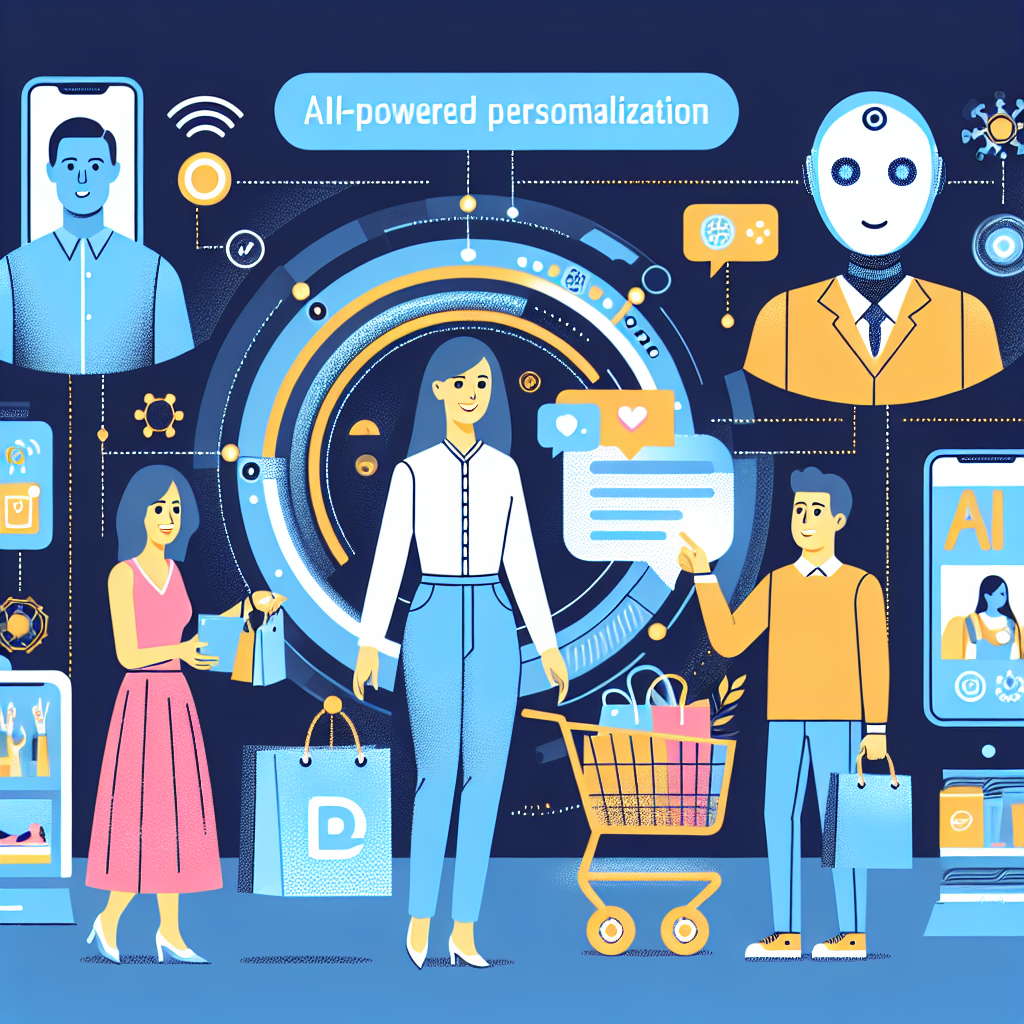
AI-Powered Personalization: How Technology is Revolutionizing the Shopping Experience
In today’s digital age, technology is rapidly transforming the way we shop. With the rise of artificial intelligence (AI) and machine learning, retailers are now able to offer personalized shopping experiences that cater to the individual preferences and needs of each customer. This level of personalization not only enhances the customer experience but also boosts sales and customer loyalty. In this article, we will explore how AI-powered personalization is revolutionizing the shopping experience and changing the way we interact with brands.
What is AI-Powered Personalization?
AI-powered personalization is the use of artificial intelligence and machine learning algorithms to analyze data and predict consumer behavior in order to deliver personalized shopping experiences. By leveraging AI, retailers are able to collect and analyze vast amounts of data on customer preferences, purchase history, browsing behavior, and more, in real-time. This data is then used to create personalized recommendations, product suggestions, and targeted marketing campaigns that are tailored to each individual customer.
How Does AI-Powered Personalization Work?
AI-powered personalization works by capturing and analyzing data from multiple touchpoints, such as online interactions, social media activity, and purchase history. This data is then processed through machine learning algorithms to identify patterns and trends in customer behavior. By understanding the preferences and needs of each customer, retailers can deliver personalized recommendations and offers that are relevant and timely.
For example, when a customer visits an online store, AI-powered personalization can track their browsing behavior and suggest products that are similar to those they have previously viewed or purchased. Additionally, retailers can use AI to send personalized email campaigns with targeted offers based on a customer’s purchase history or preferences.
Benefits of AI-Powered Personalization
There are several benefits of AI-powered personalization for both retailers and customers. Some of the key advantages include:
1. Enhanced Customer Experience: By delivering personalized recommendations and offers, retailers can create a more engaging and relevant shopping experience for customers. This can lead to increased customer satisfaction and loyalty.
2. Increased Sales: Personalized recommendations have been shown to drive higher conversion rates and order values. By offering products that are tailored to each customer’s preferences, retailers can increase sales and revenue.
3. Improved Customer Retention: Personalized shopping experiences can help build stronger relationships with customers and encourage repeat purchases. By delivering relevant offers and recommendations, retailers can keep customers coming back for more.
4. Data-Driven Insights: AI-powered personalization allows retailers to gain valuable insights into customer behavior and preferences. By analyzing data in real-time, retailers can make informed decisions about product offerings, marketing campaigns, and pricing strategies.
Challenges of AI-Powered Personalization
While AI-powered personalization offers many benefits, there are also some challenges that retailers may face when implementing this technology. Some of the key challenges include:
1. Data Privacy Concerns: Collecting and analyzing customer data raises concerns about privacy and data security. Retailers must ensure that they are transparent about how customer data is being used and take steps to protect sensitive information.
2. Implementation Costs: Implementing AI-powered personalization can be costly, particularly for small and medium-sized retailers. In addition to the initial investment in technology, retailers may also need to allocate resources for ongoing maintenance and training.
3. Accuracy of Recommendations: AI algorithms are only as good as the data they are trained on. If the data used to train the algorithms is incomplete or biased, the recommendations generated may be inaccurate or irrelevant.
FAQs
Q: How does AI-powered personalization benefit customers?
A: AI-powered personalization benefits customers by providing them with personalized recommendations, offers, and shopping experiences that are tailored to their individual preferences and needs. This can lead to a more engaging and satisfying shopping experience.
Q: How can retailers implement AI-powered personalization?
A: Retailers can implement AI-powered personalization by investing in technology solutions that enable them to collect and analyze customer data in real-time. By leveraging AI algorithms and machine learning, retailers can create personalized recommendations and offers for their customers.
Q: Are there any privacy concerns with AI-powered personalization?
A: Yes, collecting and analyzing customer data raises concerns about privacy and data security. Retailers must be transparent about how customer data is being used and take steps to protect sensitive information.
Q: How accurate are the recommendations generated by AI-powered personalization?
A: The accuracy of recommendations generated by AI-powered personalization depends on the quality of the data used to train the algorithms. If the data is incomplete or biased, the recommendations may be inaccurate. Retailers must ensure that they are using high-quality data to train their AI algorithms.
In conclusion, AI-powered personalization is revolutionizing the shopping experience by providing customers with personalized recommendations, offers, and shopping experiences that are tailored to their individual preferences and needs. By leveraging AI and machine learning, retailers can create more engaging and relevant shopping experiences that drive sales and customer loyalty. While there are challenges associated with implementing AI-powered personalization, the benefits for both retailers and customers are clear. As technology continues to evolve, we can expect to see even more innovative uses of AI in the retail industry in the future.