
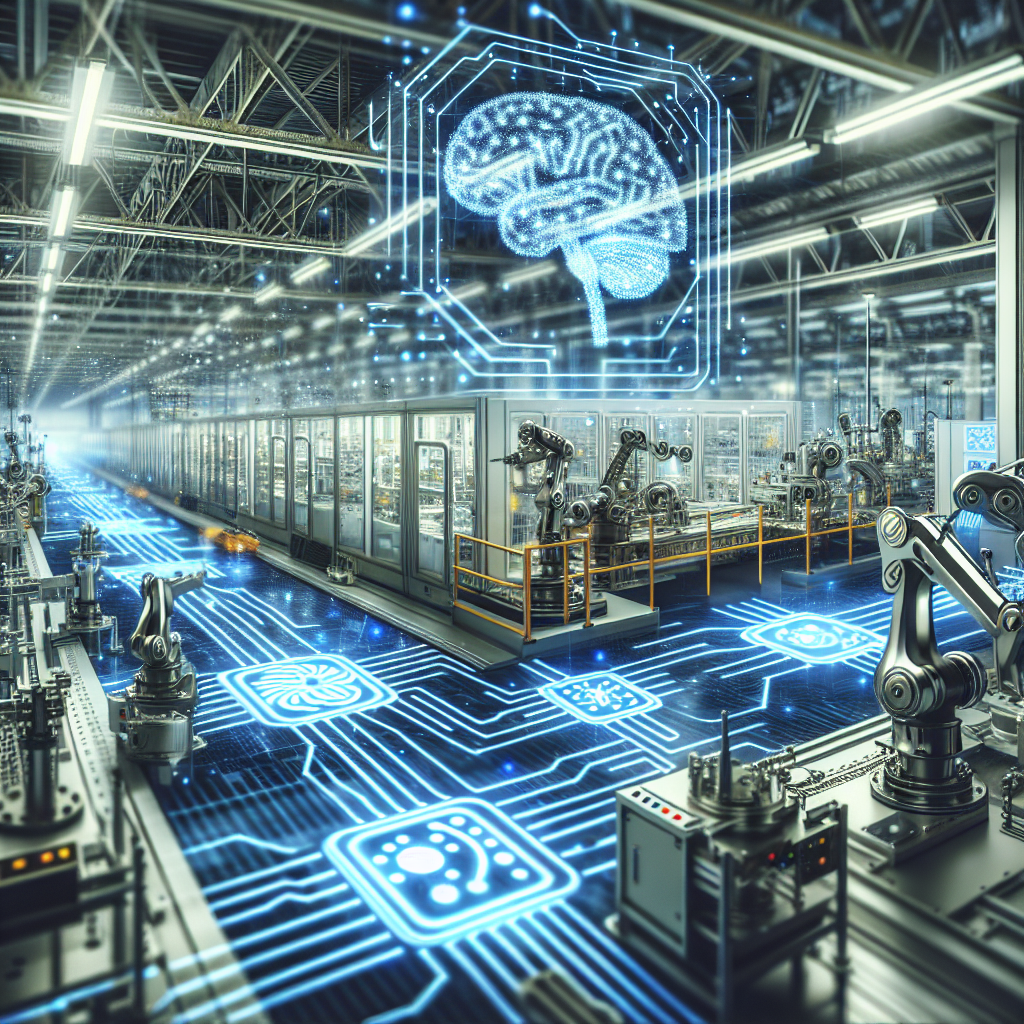
The Impact of AI on Custom Manufacturing
In recent years, artificial intelligence (AI) has become a powerful tool in the manufacturing industry, revolutionizing the way products are designed, produced, and delivered. Custom manufacturing, in particular, has seen a significant impact from the integration of AI technology. From streamlining production processes to improving product quality, AI has the potential to transform the custom manufacturing landscape.
One of the key ways in which AI is changing custom manufacturing is through the optimization of production processes. AI algorithms can analyze vast amounts of data to identify patterns and trends that can help manufacturers optimize their production processes. By using machine learning algorithms, manufacturers can predict equipment failures, optimize production schedules, and reduce downtime, ultimately leading to increased efficiency and lower production costs.
AI can also help manufacturers improve product quality by identifying and correcting defects in real-time. By implementing computer vision systems and AI algorithms, manufacturers can detect defects in products as they are being produced, allowing them to make adjustments on the fly and ensure that only high-quality products are delivered to customers. This not only improves customer satisfaction but also reduces waste and rework, leading to cost savings for manufacturers.
Another way in which AI is impacting custom manufacturing is through the customization of products. AI technology can analyze customer data and preferences to create personalized products that meet the specific needs and desires of individual customers. This level of customization can help manufacturers differentiate themselves in a competitive market and build stronger customer relationships.
Furthermore, AI can help manufacturers make more informed decisions by providing real-time insights and predictive analytics. By analyzing data from sensors, machines, and other sources, AI can help manufacturers identify trends, forecast demand, and optimize supply chain management. This not only improves decision-making but also helps manufacturers stay ahead of the competition and adapt to changing market conditions.
In addition to improving production processes and product quality, AI can also enhance the overall customer experience. By leveraging AI-powered chatbots and virtual assistants, manufacturers can provide personalized customer support and assistance, leading to higher customer satisfaction and loyalty. This level of personalized service can help manufacturers build stronger relationships with their customers and drive repeat business.
Overall, the impact of AI on custom manufacturing is significant and far-reaching. From optimizing production processes to improving product quality and customization, AI technology has the potential to revolutionize the way products are designed, produced, and delivered. As manufacturers continue to embrace AI technology, we can expect to see even more innovation and transformation in the custom manufacturing industry.
FAQs
Q: How is AI being used in custom manufacturing?
A: AI is being used in custom manufacturing to optimize production processes, improve product quality, customize products, and enhance the overall customer experience.
Q: What are some examples of AI technology in custom manufacturing?
A: Some examples of AI technology in custom manufacturing include machine learning algorithms for production optimization, computer vision systems for defect detection, and predictive analytics for decision-making.
Q: How can AI help manufacturers reduce costs?
A: AI can help manufacturers reduce costs by optimizing production processes, improving product quality, and minimizing waste and rework.
Q: What are the benefits of using AI in custom manufacturing?
A: The benefits of using AI in custom manufacturing include increased efficiency, improved product quality, enhanced customization, and better customer satisfaction.
Q: What are the challenges of implementing AI in custom manufacturing?
A: Some challenges of implementing AI in custom manufacturing include data security concerns, lack of skilled personnel, and initial investment costs.
Q: How can manufacturers prepare for the future of AI in custom manufacturing?
A: Manufacturers can prepare for the future of AI in custom manufacturing by investing in AI technology, training their workforce, and adopting a culture of innovation and continuous improvement.