
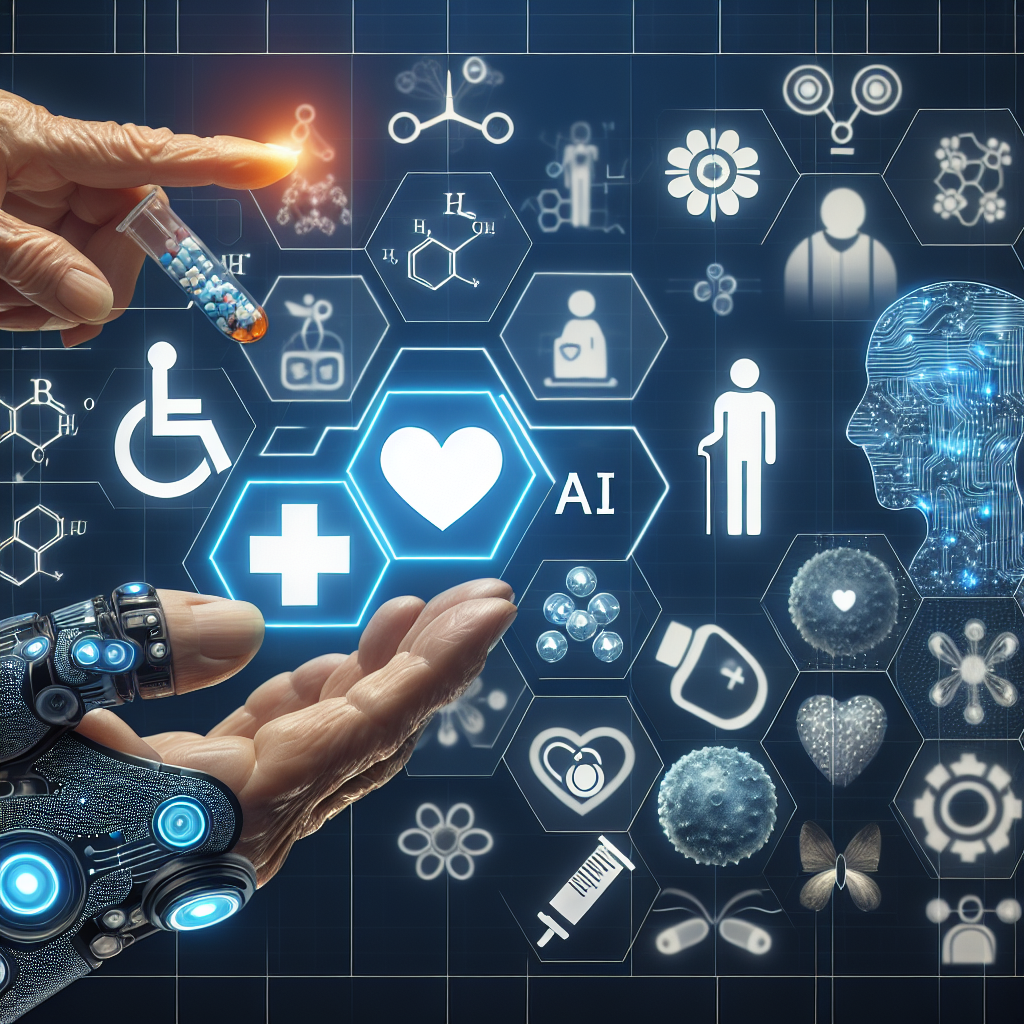
Artificial intelligence (AI) has been making waves in the healthcare industry in recent years, revolutionizing the way we approach diagnosis, treatment, and care. As the global population continues to age, there is a growing need for innovative solutions to address the unique healthcare challenges faced by seniors. AI has the potential to democratize healthcare for seniors, providing personalized and accessible care that can improve quality of life and prolong independence.
One of the key benefits of AI in healthcare is its ability to analyze large amounts of data quickly and accurately. This is particularly valuable when it comes to diagnosing and treating age-related conditions, such as dementia, arthritis, and heart disease. AI algorithms can process medical imaging, genetic information, and other patient data to identify patterns and predict outcomes, helping healthcare providers make more informed decisions about treatment plans.
In addition to improving diagnosis and treatment, AI can also streamline administrative processes and enhance the overall patient experience. For seniors, this means reduced wait times, easier access to medical records, and more personalized care. AI-powered virtual assistants and chatbots can help seniors schedule appointments, refill prescriptions, and receive reminders about medication and appointments, making it easier for them to manage their healthcare and stay on top of their health.
Another area where AI is making a significant impact is in remote monitoring and telemedicine. With the rise of wearable devices and home monitoring systems, seniors can now have their health data collected and analyzed in real-time, allowing healthcare providers to intervene earlier and prevent complications. AI algorithms can flag abnormal trends in vital signs, alerting caregivers to potential issues before they escalate.
Furthermore, AI has the potential to address the growing shortage of healthcare professionals, particularly in rural and underserved areas. By automating routine tasks and providing decision support to clinicians, AI can help fill the gaps in care and ensure that seniors have access to high-quality healthcare no matter where they live.
Despite the many benefits of AI in healthcare for seniors, there are also challenges and concerns that need to be addressed. Privacy and security are top concerns when it comes to using AI to collect and analyze sensitive health data. It is crucial for healthcare providers to implement robust security measures and ensure that patient data is protected from unauthorized access.
There is also the issue of bias in AI algorithms, which can lead to disparities in care for certain populations, including seniors. It is important for developers to train AI models on diverse datasets and regularly evaluate them for bias to ensure that they are providing fair and accurate results for all patients.
Another challenge is the need for training and education for healthcare professionals to effectively integrate AI into their practice. Many clinicians may be hesitant to adopt AI technologies due to a lack of understanding or fear of job displacement. It is essential for healthcare organizations to invest in training programs and support systems to help healthcare professionals embrace AI as a tool to enhance, rather than replace, their expertise.
In conclusion, AI has the potential to revolutionize healthcare for seniors by providing personalized, accessible, and efficient care. By leveraging the power of AI algorithms, healthcare providers can improve diagnosis, treatment, and monitoring of age-related conditions, ultimately improving quality of life and independence for seniors. However, it is crucial to address concerns around privacy, bias, and education to ensure that AI is used ethically and effectively in the care of seniors.
FAQs:
Q: Can AI replace human doctors in the care of seniors?
A: While AI can assist healthcare providers in diagnosis and treatment, it is unlikely to replace human doctors entirely. AI is best used as a tool to augment the expertise of healthcare professionals and improve the quality of care for seniors.
Q: How can seniors benefit from AI in healthcare?
A: Seniors can benefit from AI in healthcare by receiving personalized and accessible care, improved diagnosis and treatment of age-related conditions, and enhanced monitoring and support to help them manage their health more effectively.
Q: Is AI safe and secure for seniors to use?
A: Healthcare providers must implement robust security measures to protect patient data and ensure that AI algorithms are safe and secure for seniors to use. It is essential to prioritize privacy and security when implementing AI in healthcare for seniors.
Q: Will AI technologies be affordable and accessible for all seniors?
A: As AI technologies continue to evolve and become more widespread, they are likely to become more affordable and accessible for seniors. Healthcare organizations and policymakers must work to ensure that AI is accessible to all seniors, regardless of their socioeconomic status.