
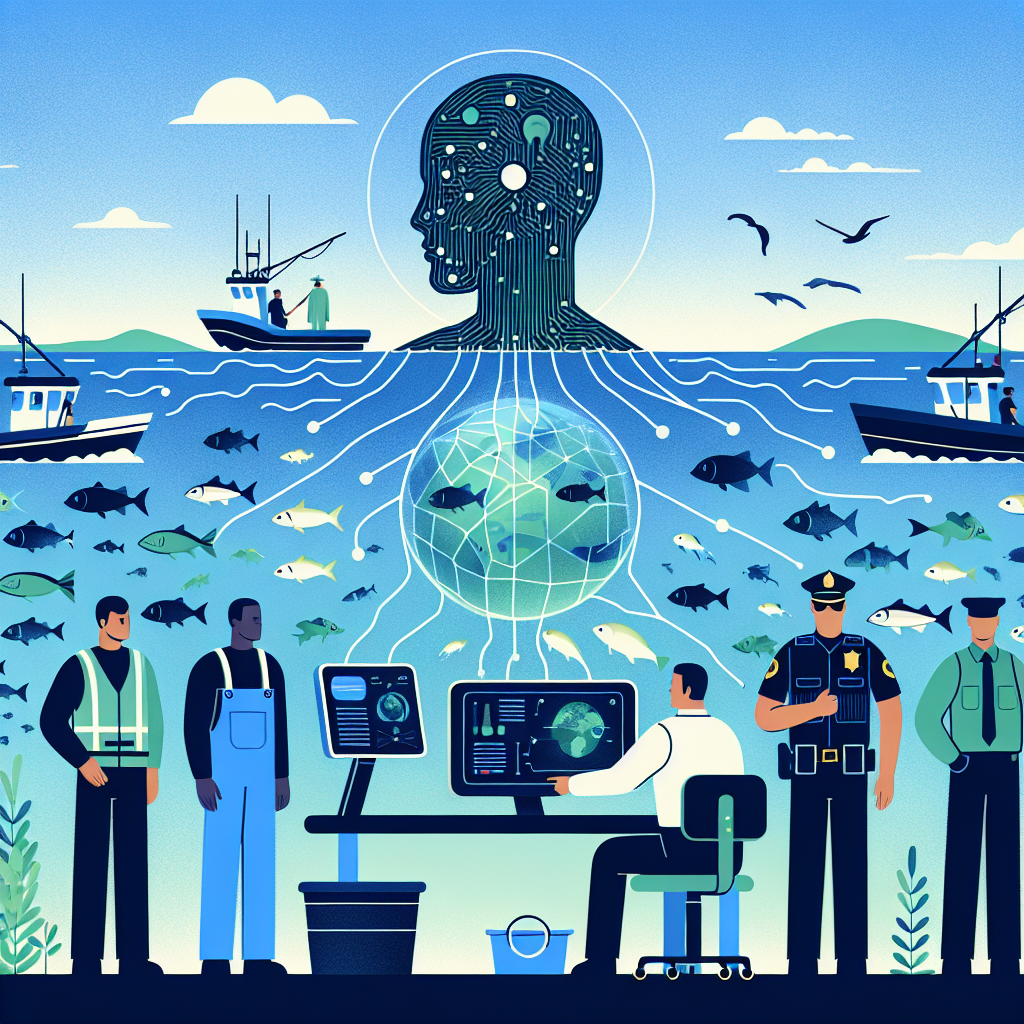
Advancements in AI for Sustainable Fisheries Management and Conservation
Introduction
Fisheries management and conservation are critical for maintaining the health of our oceans and ensuring the long-term sustainability of fish populations. Overfishing, habitat destruction, and climate change are all putting pressure on marine species, making it essential to find innovative solutions to protect and manage our fisheries.
One such solution is the use of artificial intelligence (AI) technology. AI has the potential to revolutionize fisheries management and conservation by providing more accurate data, improving decision-making processes, and enabling more efficient and sustainable practices. In this article, we will explore the advancements in AI for sustainable fisheries management and conservation and discuss the benefits and challenges of using this technology.
Advancements in AI for Fisheries Management
AI technology has made significant advancements in recent years, with applications in various fields such as healthcare, finance, and transportation. In the realm of fisheries management, AI is being used to collect and analyze data on fish populations, track fishing activities, monitor marine habitats, and predict the impacts of climate change on marine ecosystems.
One of the key advancements in AI for fisheries management is the development of machine learning algorithms that can process large amounts of data to identify patterns and trends. These algorithms can analyze data from various sources, including satellite imagery, acoustic sensors, and fishing vessels, to provide real-time information on fish populations and fishing activities. By using AI to analyze this data, fisheries managers can make more informed decisions about how to regulate fishing practices and protect vulnerable species.
Another important advancement in AI for fisheries management is the use of predictive modeling to forecast the impacts of climate change on marine ecosystems. By combining data on ocean temperatures, currents, and other environmental factors with AI algorithms, scientists can predict how changes in the climate will affect fish populations and their habitats. This information can help fisheries managers develop strategies to adapt to these changes and protect marine biodiversity.
Benefits of AI for Fisheries Management
There are several benefits of using AI technology for fisheries management and conservation. Some of the key advantages include:
– Improved data collection and analysis: AI algorithms can process large amounts of data quickly and accurately, allowing fisheries managers to make more informed decisions about how to protect fish populations and marine habitats.
– Real-time monitoring: AI technology can provide real-time information on fish populations and fishing activities, enabling fisheries managers to respond quickly to changes in the environment and make more effective decisions.
– Predictive modeling: AI algorithms can forecast the impacts of climate change on marine ecosystems, helping fisheries managers develop strategies to mitigate these effects and protect vulnerable species.
– Increased efficiency: By using AI technology to automate data collection and analysis processes, fisheries managers can save time and resources, allowing them to focus on developing more sustainable fishing practices.
Challenges of AI for Fisheries Management
While AI technology holds great promise for improving fisheries management and conservation, there are also some challenges and limitations to consider. Some of the key challenges include:
– Data quality and availability: AI algorithms rely on high-quality data to make accurate predictions and recommendations. In some cases, data on fish populations, fishing activities, and environmental conditions may be incomplete or unreliable, making it difficult for AI systems to provide accurate information.
– Bias and ethics: AI algorithms can be influenced by bias in the data used to train them, leading to inaccurate or unfair recommendations. It is essential to consider the ethical implications of using AI in fisheries management and ensure that decisions are made transparently and equitably.
– Implementation and adoption: Introducing AI technology into fisheries management practices may require significant investment in infrastructure, training, and resources. Fisheries managers may also face resistance from stakeholders who are skeptical of new technologies or concerned about job loss.
– Regulatory challenges: The use of AI in fisheries management raises regulatory challenges related to data privacy, intellectual property rights, and liability. It is essential to develop clear guidelines and regulations to govern the use of AI technology in fisheries management and ensure that it is used responsibly and ethically.
FAQs
Q: How can AI technology help fisheries managers protect endangered species?
A: AI technology can help fisheries managers track and monitor endangered species more effectively by analyzing data on their populations, movements, and habitats. By using AI algorithms to identify areas where endangered species are at risk, fisheries managers can develop targeted conservation strategies to protect them.
Q: Are there any examples of successful AI applications in fisheries management?
A: Yes, there are several examples of successful AI applications in fisheries management. For example, researchers have used AI algorithms to analyze satellite imagery and acoustic data to track the movements of fish populations and monitor fishing activities. These technologies have helped fisheries managers make more informed decisions about how to regulate fishing practices and protect vulnerable species.
Q: What are some of the key benefits of using AI technology in fisheries management?
A: Some of the key benefits of using AI technology in fisheries management include improved data collection and analysis, real-time monitoring of fish populations and fishing activities, predictive modeling of climate change impacts, and increased efficiency in decision-making processes.
Q: What are some of the challenges of using AI technology in fisheries management?
A: Some of the key challenges of using AI technology in fisheries management include data quality and availability, bias and ethics, implementation and adoption, and regulatory challenges. It is essential to address these challenges to ensure that AI technology is used responsibly and effectively in fisheries management.
Conclusion
AI technology has the potential to revolutionize fisheries management and conservation by providing more accurate data, improving decision-making processes, and enabling more sustainable practices. By using AI algorithms to analyze data on fish populations, track fishing activities, monitor marine habitats, and predict the impacts of climate change, fisheries managers can make more informed decisions about how to protect marine biodiversity and ensure the long-term sustainability of fish populations.
While there are challenges and limitations to consider when using AI technology in fisheries management, the benefits of this technology outweigh the risks. By addressing issues related to data quality, bias, implementation, and regulation, fisheries managers can harness the power of AI to develop more effective strategies for protecting endangered species, managing fishing activities, and adapting to the impacts of climate change. With continued research and innovation, AI technology has the potential to transform the way we manage and conserve our fisheries for future generations.