
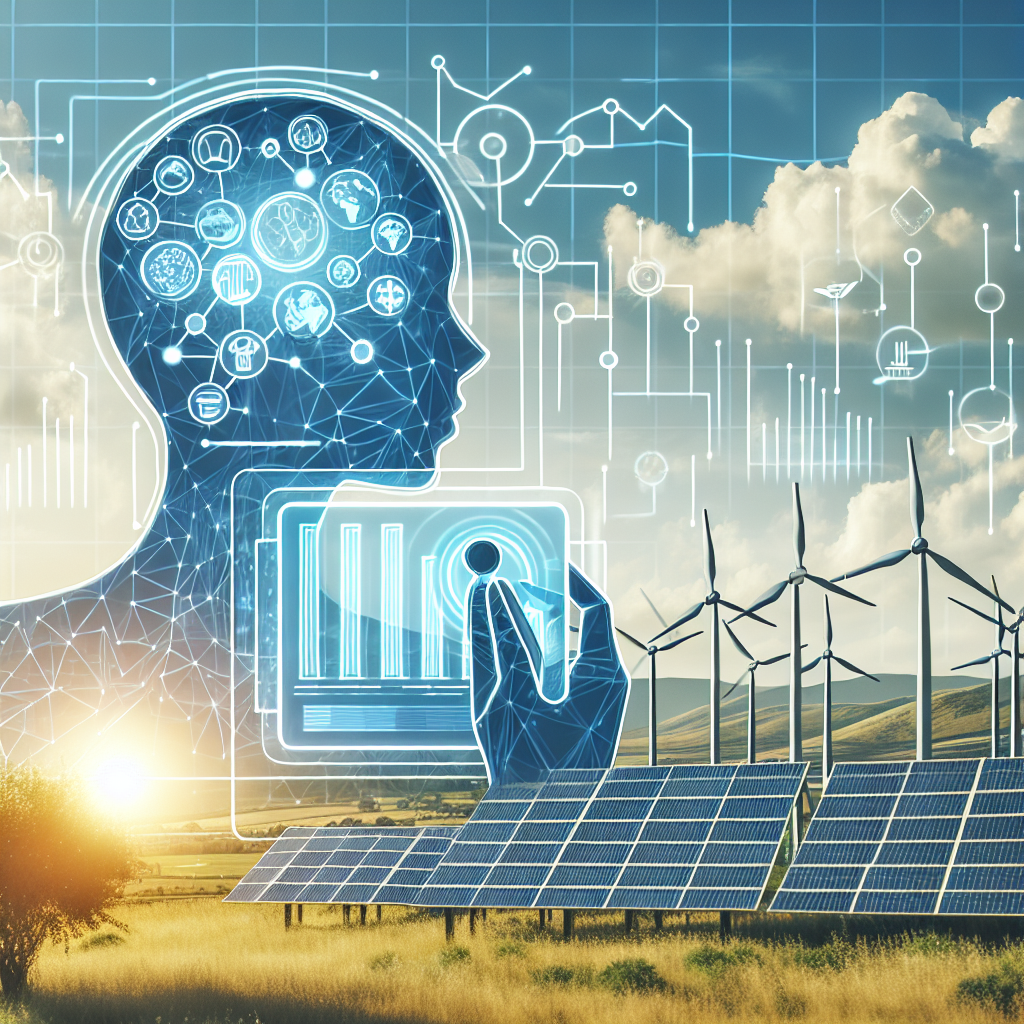
The Role of AI in Renewable Energy Market Adaptation
Introduction
Renewable energy sources such as solar, wind, and hydro power are becoming increasingly important in the fight against climate change and the transition to a more sustainable energy system. As the world seeks to reduce its reliance on fossil fuels, the renewable energy market is growing rapidly. However, this growth also presents challenges, such as the intermittent nature of some renewable energy sources and the need for efficient energy storage solutions.
Artificial intelligence (AI) has emerged as a powerful tool for addressing these challenges and optimizing the performance of renewable energy systems. By leveraging AI technologies such as machine learning and predictive analytics, renewable energy companies can improve the efficiency, reliability, and cost-effectiveness of their operations.
In this article, we will explore the role of AI in the renewable energy market and how it is helping to accelerate the transition to a clean energy future.
AI Applications in Renewable Energy
AI has a wide range of applications in the renewable energy sector, from optimizing energy production and distribution to improving energy storage solutions. Some of the key applications of AI in renewable energy include:
1. Predictive maintenance: AI can help renewable energy companies predict when equipment such as solar panels or wind turbines are likely to fail, allowing for proactive maintenance and reducing downtime.
2. Energy forecasting: AI algorithms can analyze historical data and weather patterns to predict energy production from renewable sources, helping to optimize energy distribution and grid management.
3. Energy storage optimization: AI can help optimize the charging and discharging of energy storage systems such as batteries, ensuring that renewable energy is stored and used efficiently.
4. Grid management: AI can help manage the integration of renewable energy sources into the grid, balancing supply and demand and optimizing energy flow.
5. Demand response: AI can help utilities and consumers adjust their energy consumption in real-time based on supply and demand, reducing peak loads and improving grid stability.
Benefits of AI in Renewable Energy
The integration of AI technologies in the renewable energy market offers a number of benefits, including:
1. Increased efficiency: AI can help optimize energy production, distribution, and storage, reducing waste and improving overall system efficiency.
2. Cost savings: By improving the performance of renewable energy systems, AI can help reduce operating costs and increase profitability for renewable energy companies.
3. Improved reliability: AI can help predict and prevent equipment failures, reducing downtime and improving the reliability of renewable energy systems.
4. Grid stability: AI can help balance supply and demand on the grid, reducing the risk of blackouts and ensuring a stable energy supply.
5. Environmental impact: By increasing the efficiency of renewable energy systems, AI can help reduce greenhouse gas emissions and mitigate the effects of climate change.
Challenges of AI in Renewable Energy
While AI offers many benefits for the renewable energy market, there are also challenges to consider. Some of the key challenges of AI in renewable energy include:
1. Data quality: AI algorithms rely on large amounts of data to make accurate predictions, so ensuring the quality and reliability of data is crucial.
2. Integration: Integrating AI technologies into existing renewable energy systems can be complex and time-consuming, requiring collaboration between different stakeholders.
3. Regulation: The use of AI in the energy sector is still relatively new, and regulations around data privacy and security are still evolving.
4. Skills gap: AI technologies require specialized skills to implement and maintain, so there may be a shortage of qualified professionals in the renewable energy sector.
FAQs
Q: How is AI being used in the solar energy sector?
A: AI is being used in the solar energy sector to optimize the performance of solar panels, predict energy production, and improve maintenance processes.
Q: What are some examples of AI applications in wind energy?
A: AI is being used in the wind energy sector to predict wind patterns, optimize turbine performance, and improve grid integration.
Q: How can AI help improve energy storage solutions for renewable energy?
A: AI can help optimize the charging and discharging of energy storage systems, ensuring that renewable energy is stored and used efficiently.
Q: What are the main benefits of using AI in the renewable energy market?
A: The main benefits of using AI in the renewable energy market include increased efficiency, cost savings, improved reliability, grid stability, and reduced environmental impact.
Conclusion
AI is playing an increasingly important role in the renewable energy market, helping to optimize energy production, distribution, and storage, and accelerate the transition to a clean energy future. By harnessing the power of AI technologies such as machine learning and predictive analytics, renewable energy companies can improve the efficiency, reliability, and cost-effectiveness of their operations. As the renewable energy market continues to grow, AI will play a key role in driving innovation and sustainability in the energy sector.